Essar steel project puts Russian business links under scrutiny
The planned $15bn Iowa plant is forecast to create jobs and begin production in 2030. Its backer, India’s Essar Group, has a history of business ties to Russian energy interests.
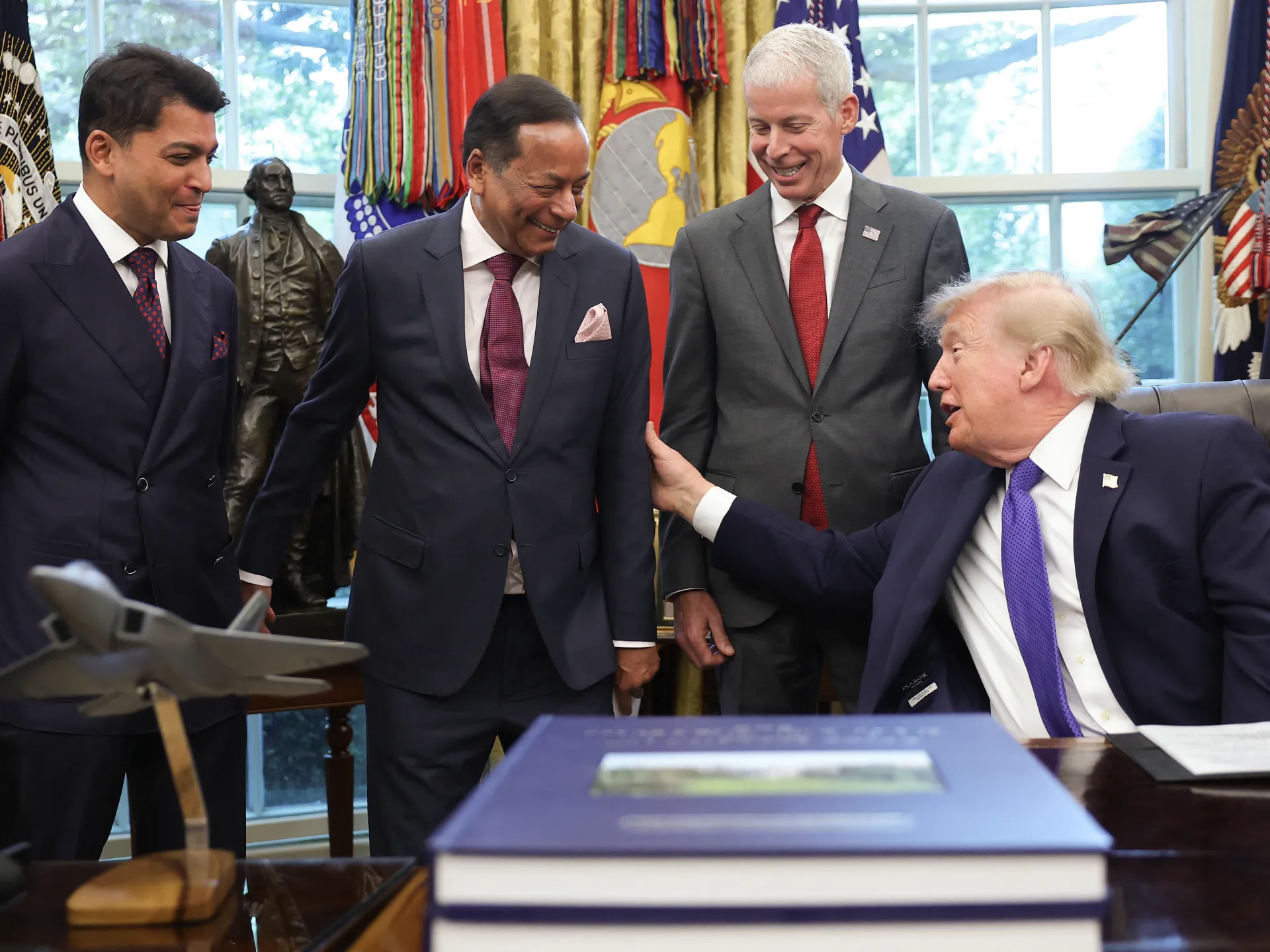
US President Donald Trump has announced a planned $15bn steel plant in Iowa, to be built by Mesabi Metallics, which is owned by India’s Essar Group. The project’s scale and its backer’s Russian-linked business history have drawn attention, but there is no evidence the investment breaches US sanctions.
The White House and the company say the first phase is expected to produce 7.5 million tonnes of steel annually, rising to 10 million tonnes. Production is forecast to begin in 2030, with at least 1,750 permanent jobs and up to 6,000 construction jobs. The White House estimates the first phase could generate $95bn in economic impact during construction and its first 10 years of operation.
Essar sold its Vadinar refinery in 2016 to a Russian-led consortium for $12.9bn. The refinery became Nayara Energy, in which Russia’s Rosneft holds a 49 per cent stake. Nayara is under European Union sanctions; Essar itself is not under US or EU sanctions.
The source, Al Jazeera, reports that Russian bank VTB provided Essar with a $3.9bn loan during the group’s debt restructuring. Reporting by The Guardian and SourceMaterial alleged that Essar moved the loan to Mauritius to avoid sanctions. The allegation concerns Essar’s past financing; it does not establish a sanctions breach in the Iowa project.
The announcement comes amid US efforts to use tariffs to encourage domestic manufacturing and put pressure on countries that continue economic ties with Russia. Trump has cited steel tariffs as a reason the plant will be built in the US. The project’s stated forecasts remain projections, while the available evidence does not show direct Russian involvement in the planned Iowa investment.