Zambia’s opposition leader surrenders to police ahead of swearing-in
Brian Mundubile and his running mate have handed themselves over to authorities in Lusaka, ending a two-week standoff that has cast doubt on the stability of Africa’s former model democracy.
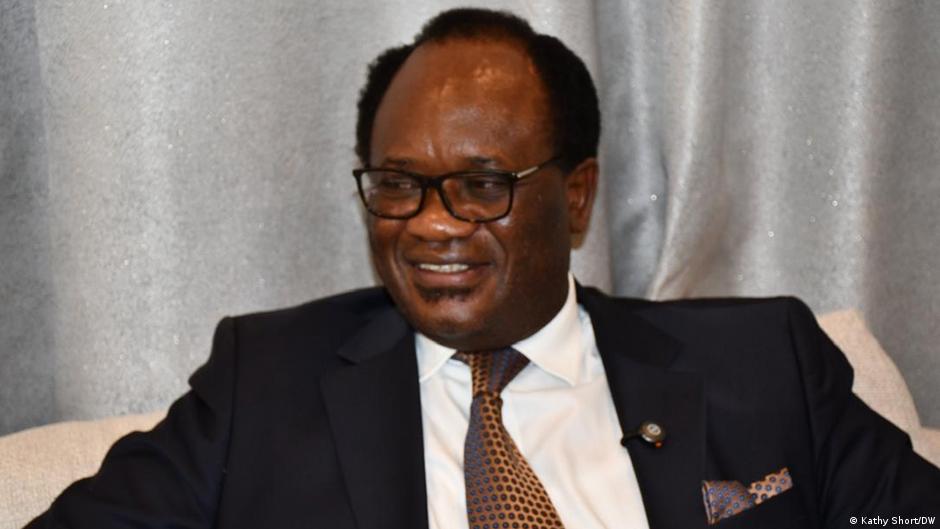
Zambia’s opposition leader and presidential election runner-up, Brian Mundubile, has surrendered to police in the capital, Lusaka, alongside his running mate, Makebi Zulu. State broadcaster ZNBC reported that the pair were handed over to law enforcement officers on Thursday and are currently undergoing interviews. The move marks a significant development in the political crisis that has followed the disputed 13 August presidential election.
Police spokesman Godfrey Chilabi confirmed to ZNBC that the two opposition leaders are being questioned by a team of officers in the presence of their lawyers. A formal statement from the police is expected once the interview process is concluded. Prior to their surrender, Mundubile and Zulu had been in hiding since the day after the election, during which time they were reportedly under the protection of the United Nations.
The surrender comes as incumbent President Hakainde Hichilema prepares to be sworn in for his second term on 1 September. Mundubile had planned to challenge the election results in court, alleging irregularities, but the Zambian judiciary was closed on Monday citing "security reasons." This closure occurred on the legal deadline for issuing a court challenge, drawing criticism from legal and rights groups who view the move as a strategic impediment to judicial review.
Authorities have accused Mundubile of national security offences and plotting an insurgency. Police stated they were seeking to establish links between the opposition leaders and "various alarming activities" with the potential to threaten or undermine national security. The government’s allegations follow a tense period that began the day after polling, when police raided Mundubile’s home and other opposition sites, arresting 11 people.
During those raids, former cabinet minister Mutotwe Kafwaya was shot and killed during an exchange of gunfire. The incident added to the uncertainty surrounding the election, which observers had initially expected to deliver a clear mandate for Hichilema. While the electoral commission ultimately declared Hichilema the winner with approximately 60 per cent of the vote, Mundubile’s performance was stronger than predicted, and he briefly declared victory on election night before calling for a recount.
Zambia has traditionally been regarded as one of Africa’s more stable democracies, but the aftermath of this month’s election has challenged that reputation. The National Reconciliation Party for Unity and Prosperity, which governed Zambia before Hichilema’s administration, continues to dismiss the government’s allegations against Mundubile as fabricated. As the swearing-in ceremony approaches, the resolution of the legal and security questions surrounding the opposition remains a critical test for the country’s democratic institutions.