Zambia’s closed courts complicate presidential election challenge
Judicial independence is under scrutiny in Zambia as all courts remain shut over security concerns, leaving the fate of a disputed presidential election petition in legal limbo.
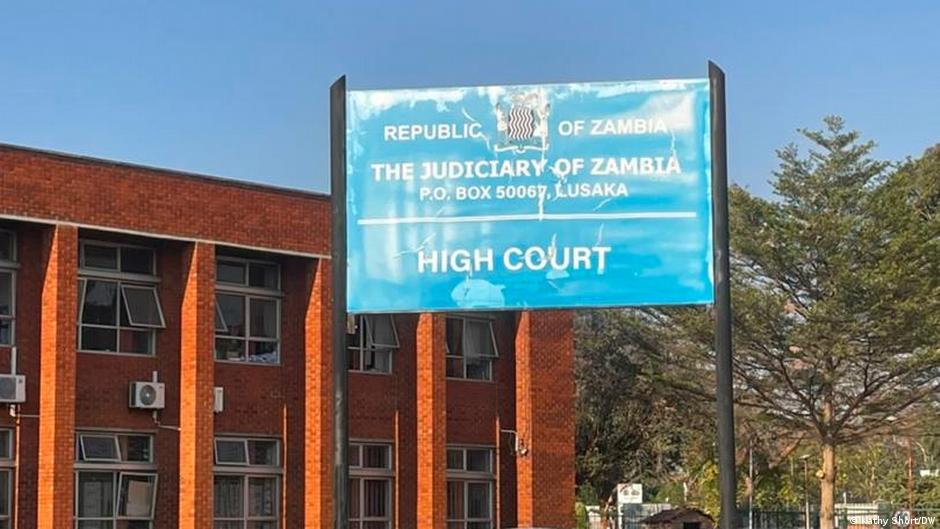
Zambia’s democratic institutions are facing a significant test following the August 13 presidential election, in which incumbent President Hakainde Hichilema was declared the winner by the Electoral Commission of Zambia. His closest challenger, Brian Mundubile, who received 38 per cent of the vote, has announced that his National Reconciliation Party for Unity and Prosperity (NRPUP) “shall not relent” in challenging the result. However, the legal pathway for this challenge has been obstructed by the closure of all Zambian courts since August 24, a move officials attribute to security concerns.
The timing of the closures has raised questions about the opposition’s access to judicial safeguards during a critical post-election period. Chief Justice Mumba Malila acknowledged on August 25 that he had received documents described as a presidential election petition via his private email address. While Malila referred the documents to the Constitutional Court to determine if they constitute a formally filed petition, he described the method of submission as “highly irregular.” It remains unconfirmed whether the receipt of these documents legally qualifies as a lodged petition.
Civil society groups are urging the government to restore access to the justice system. Arnold Kaluba, President of the Law Association of Zambia, stated that security measures must be lawful and proportionate, ensuring they do not undermine judicial independence. Similarly, Pamela Towela Sambo, chairperson of the Human Rights Commission of Zambia, warned that the disruption to judicial operations could lead to arbitrary detentions and effectively block access to legal remedies for citizens.
The presidency has rejected the suggestion that the court closures were designed to prevent election challenges. Clayson Hamasaka, the chief communications specialist for President Hichilema, described the measures as “intelligence-led and preventive,” noting that they involved several government institutions beyond the courts. Hamasaka maintained that the actions were intended to protect officials and the public, and that individuals with legitimate grievances remained free to pursue remedies provided by law.
Critics argue that the lack of a detailed public explanation for the closures is insufficient. Political commentator Laura Miti questioned the decision on social media, stating that the nation is owed an explanation beyond a blanket reference to a security threat. Maurice Nyambe, Zambia Executive Director of Transparency International, added that the country requires stronger, accessible, and trusted institutions to resolve political disputes peacefully, rather than fewer avenues for doing so.
This dispute occurs against a backdrop of earlier concerns, including voting suspensions at some ballot boxes amid reports of violence and questions regarding media independence in the run-up to the vote. Zambia has historically been regarded as one of Southern Africa’s more stable multiparty democracies with a reputation for peaceful transfers of power. The current handling of the situation is likely to be observed closely across the region, where democratic institutions are facing growing scrutiny over contested elections.