Zambia Votes in General Election as Hichilema’s Economic Record Faces Scrutiny
The Electoral Commission oversees polls for presidential, parliamentary, and local seats, with results due Monday.
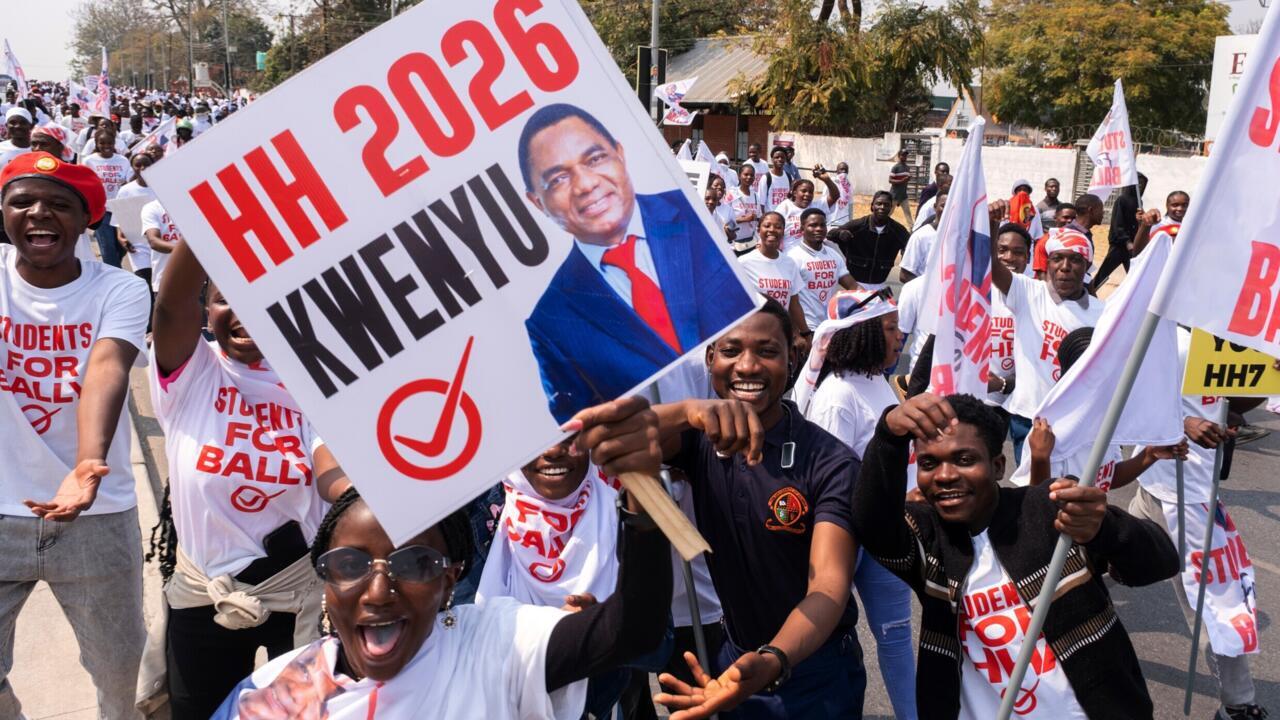
Zambians cast their ballots on Thursday in a general election that is widely anticipated to return President Hakainde Hichilema to power for a second term. The vote serves as a critical test of the administration’s economic management, particularly its handling of the sovereign debt restructuring following the 2020 default. While macroeconomic indicators have improved and inflation has fallen to multi-year lows, many voters remain frustrated by the persistent cost of living and report that the economic rebound has not yet translated into tangible daily benefits.
President Hichilema, who has led the southern African copper producer since 2021, is running on his record of steering the nation through its debt crisis. His main challenger is Brian Mundubile, an experienced parliamentarian making his first bid for the presidency. Mundubile leads an opposition alliance that draws support from the base of the late former president Edgar Lungu. The election encompasses presidential, parliamentary, and local government seats, with polls open from 06:00 to 18:00 local time.
Political analysts note significant fragmentation within the opposition camp, which may impact the final outcome. Euston Chiputa, a historian and analyst, observed that while opposition rallies have drawn large crowds, the ruling party remains well-positioned to retain power. Chiputa highlighted that candidates from Mundubile’s party and his running-mate’s party are competing against each other in some constituencies, a structural weakness that has potentially diluted the opposition’s challenge.
The political environment has been marked by allegations of repression, which the government denies. The US non-profit group Freedom House rates Zambia as partly free, citing onerous legal and practical obstacles that hinder opposition parties from competing on a level playing field. Despite these challenges, Lee Habasonda, a political science lecturer at the University of Zambia, noted that the opposition retains significant support in Lusaka and the Copperbelt Province, regions with large numbers of registered voters.
The Electoral Commission is scheduled to release the results on Monday. Under the country’s electoral rules, a presidential candidate must secure more than 50% of the vote to win in the first round. If no candidate achieves this threshold, a run-off between the top two contenders must be held within 37 days. Investors and observers are now waiting to see if a second term for Hichilema can successfully convert post-default macroeconomic stability into job-creating growth.