Zambia Heads to Polls for Eighth General Election Under Hichilema
The vote marks a significant milestone in Zambia’s multi-party democratic history, with the electorate also choosing lawmakers and local councilors in a country defined by its substantial copper reserves.
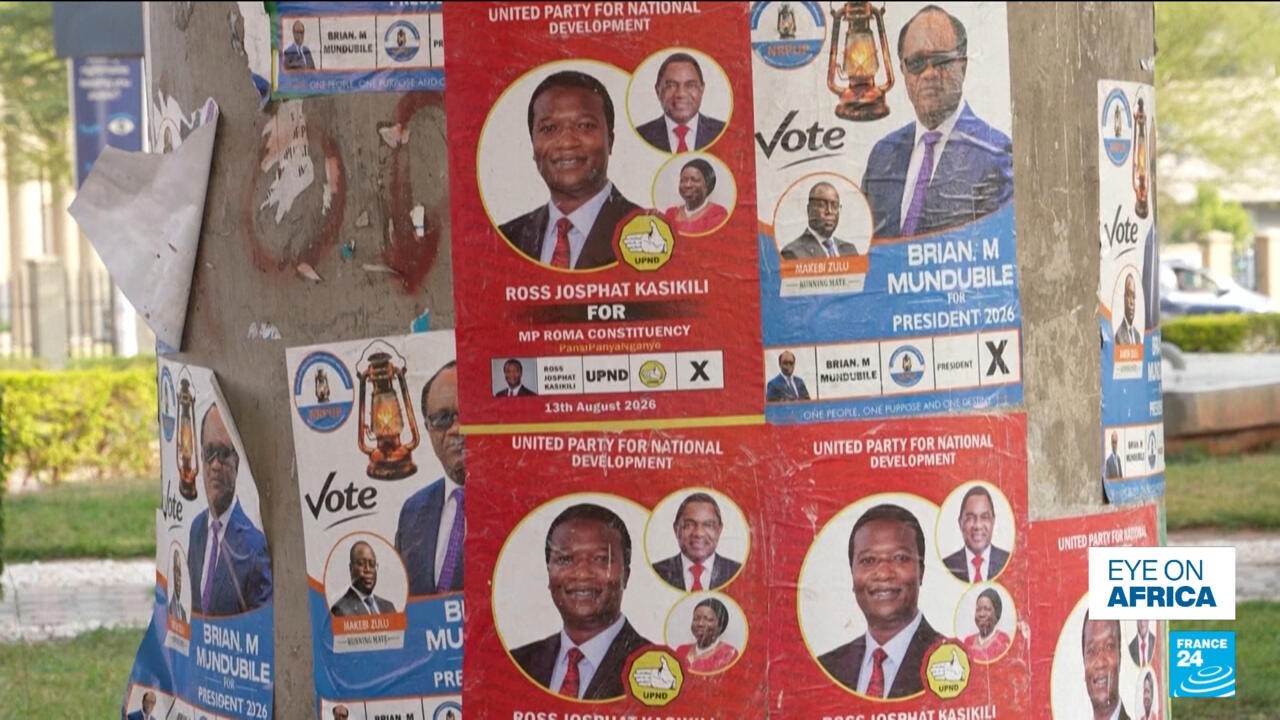
Zambians are preparing to head to the polls this Thursday for the country’s eighth general election since its return to multi-party democracy. The ballot will determine the leadership of the southern African nation, with President Hakainde Hichilema seeking a second term in office.
The election extends beyond the presidency, requiring voters to select lawmakers and local councilors across the country. This comprehensive vote underscores the institutional importance of the electoral process in maintaining the nation’s democratic framework.
Zambia’s political landscape is increasingly viewed through the lens of its economic resources. The country is identified as a critical mineral hub, possessing some of the world’s richest copper reserves. This geological wealth positions the nation as a significant player in global commodity markets, adding an economic dimension to the political contest.
The timing of the election falls on Thursday, marking a key date in the national calendar. As the eighth general election since the transition to multi-party rule, the event highlights the continuity of Zambia’s democratic institutions despite the changing political climate.
President Hichilema’s bid for re-election represents a pivotal moment for the current administration. The outcome will not only decide the executive branch but also influence the composition of the legislature and local governance structures, setting the policy direction for the country’s future.
The electorate faces decisions on multiple fronts, balancing national leadership with local representation. The interplay between the presidency, parliament, and local councils will shape the governance structure in a nation that remains a vital source of copper for the global market.
As the country prepares for the vote, the focus remains on the procedural integrity of the election and the broader implications for Zambia’s political stability and economic trajectory. The results will define the next phase of governance for a nation deeply integrated into the global minerals supply chain.