Yerevan’s underground drag scene expands amid rising rents and police scrutiny
An underground drag culture is growing in Armenia’s capital, driven by refugees from Russia and evolving social norms. However, the community faces ongoing challenges including police raids, domestic violence linked to housing costs, and historical violence against queer individuals.
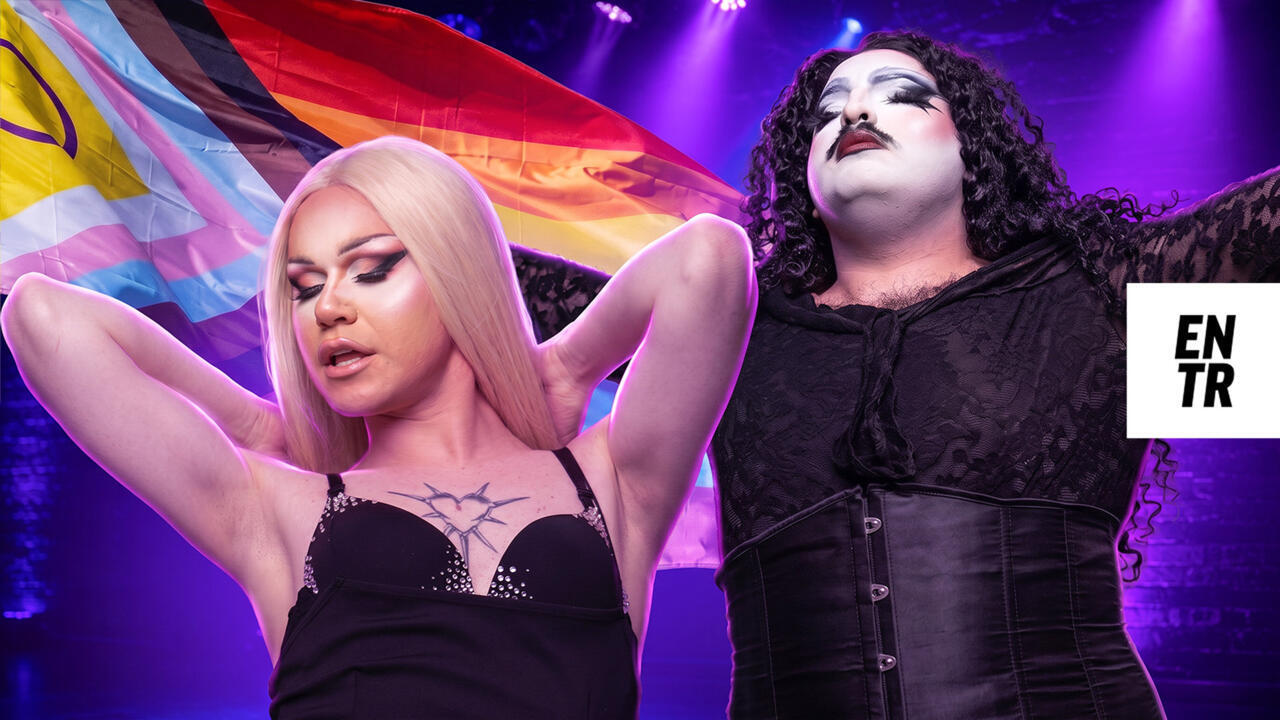
An underground drag scene is expanding in Yerevan, Armenia, characterised by a complex interplay of cultural liberalisation and persistent institutional hostility. The growth of this subculture is partly attributed to the arrival of tens of thousands of Russian refugees fleeing the war in Ukraine and stricter anti-LGBTQ legislation in Russia. While this demographic shift has contributed to a softening of attitudes among some locals, performers and venues continue to operate under the threat of police raids, harassment, and violence.
The visibility of queer culture has increased significantly since 2022, with events attracting hundreds of attendees. A Pride Month gathering held in mid-June drew a crowd of approximately 250 to 450 people, despite being organised through word of mouth and private social media channels due to security concerns. Leo, a primary organiser of the scene, described the current environment as one where drag has become a political act of survival. He noted that while fear remains, the community is increasingly viewed with a level of respect and admiration previously unseen.
However, this cultural shift exists alongside a history of targeted violence. Armenia ranks near the bottom of ILGA-Europe’s rainbow map, placing 45th out of 49 countries in 2024. The community has faced severe incidents, including the 2012 firebombing of a queer club and the 2023 murder of trans woman Adriana. These events underscore the precarious nature of queer life in the country, where visibility can invite significant danger despite growing social acceptance in certain circles.
Economic pressures have further complicated the landscape for the LGBTQ community. The influx of Russian migrants, estimated by a 2024 Stanford University publication to be between 35,000 and 55,000 in Armenia, contributed to a sharp increase in rents in Yerevan during late 2022 and early 2023. Landlords often preferred tenants with greater financial stability, driving prices up three to four times in some instances. This housing crisis has led to young people remaining in family homes longer, correlating with a rise in domestic violence cases recorded by the NGO Pink Armenia, which rose from 10 in 2022 to 38 in 2024.
Venues have also struggled to maintain stability amidst police scrutiny. The bar 'Portal', which opened in October 2023, was shut down after neighbours reported a drag queen from Georgia wearing high heels outside. Owner Mari Muradyan stated that police raids, often justified by searches for drugs, forced the closure. Muradyan has since moved to the Netherlands. Despite these challenges, the scene persists, with performers like Molly, who fled Russia after police raids on her previous venues, finding a new stage in Yerevan. The community continues to navigate a landscape where cultural acceptance is growing, but institutional and economic barriers remain formidable.