Yen hits 39-year low as Middle East tensions drive dollar surge
NHK reports the yen fell to the late 163 yen range against the US dollar on 23 July, approaching 164 yen per dollar amid concerns over worsening tensions involving Iran, Saudi Arabia, and the United States.
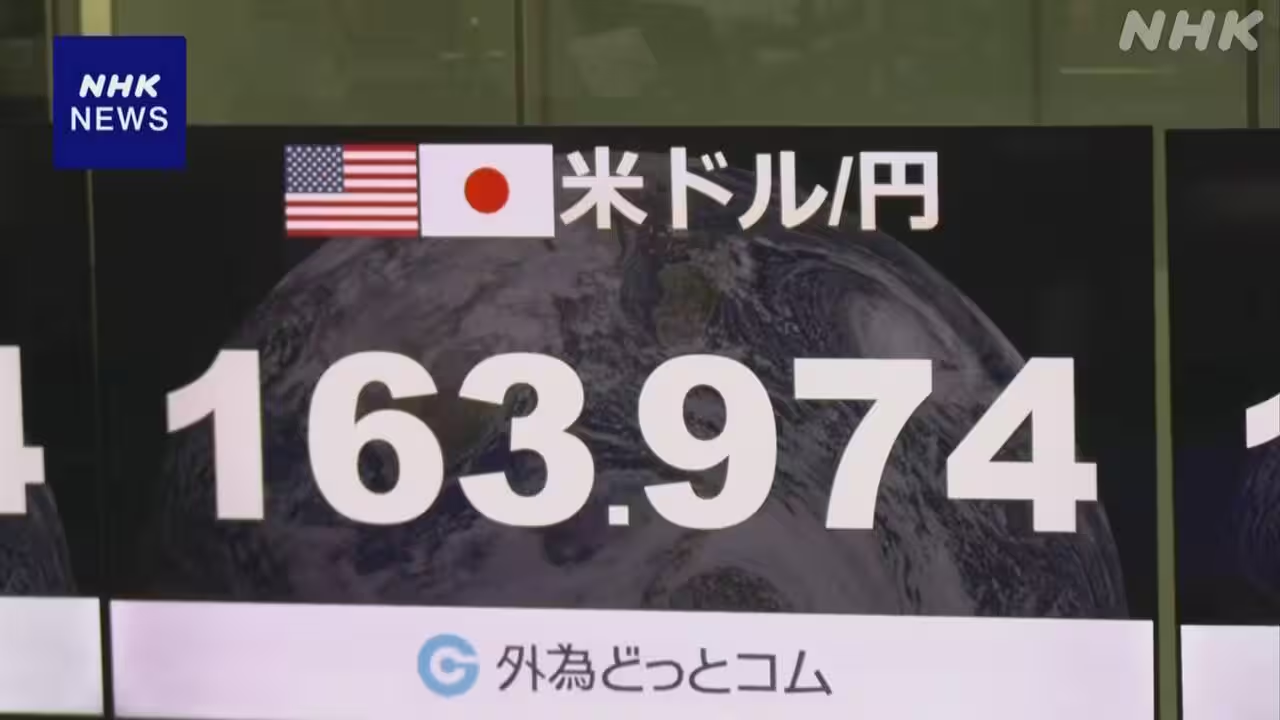
The Japanese yen weakened significantly against the US dollar in New York foreign exchange markets on 23 July, driven by escalating geopolitical tensions in the Middle East. According to NHK News Japan, the exchange rate dropped into the late 163 yen range, approaching 164 yen per dollar. This movement marks the weakest level for the currency in 39 years and eight months.
Investor concerns over the deteriorating regional situation prompted a sell-off of the yen and a corresponding buy-up of the US dollar. The instability involves key actors in the region, including Iran, Saudi Arabia, and the United States. The US State Department has been actively engaged in the diplomatic landscape, with US Secretary of State Marco Rubio commenting on Iran’s actions.
Compounding the geopolitical uncertainty, concerns have been raised regarding Houthi attacks on tankers, which have heightened fears of a broader conflict expansion. These factors have contributed to a flight to safety, with capital flowing towards the US dollar as a reserve asset amidst the volatility.
In a separate development affecting global monetary policy, the European Central Bank recently held interest rates steady. Market observers are now focusing on future policy decisions from the European institution, which may influence broader currency trends alongside the immediate pressures in Asian markets.
While domestic emergencies were occurring in Japan, including Level 5 Emergency Safety Assurance orders issued in Sano and Ashikaga cities in Tochigi Prefecture on 18 July due to river flooding, the primary driver of the currency’s depreciation remains international geopolitical risk. The yen’s performance reflects a market reaction to external stability concerns rather than domestic economic indicators.