Yemeni government army faces wage arrears amid liquidity crisis and operational risks
Soldiers in the regular army report receiving wages as late as December, prompting analysts to warn of potential defections to irregular formations offering higher and more consistent pay
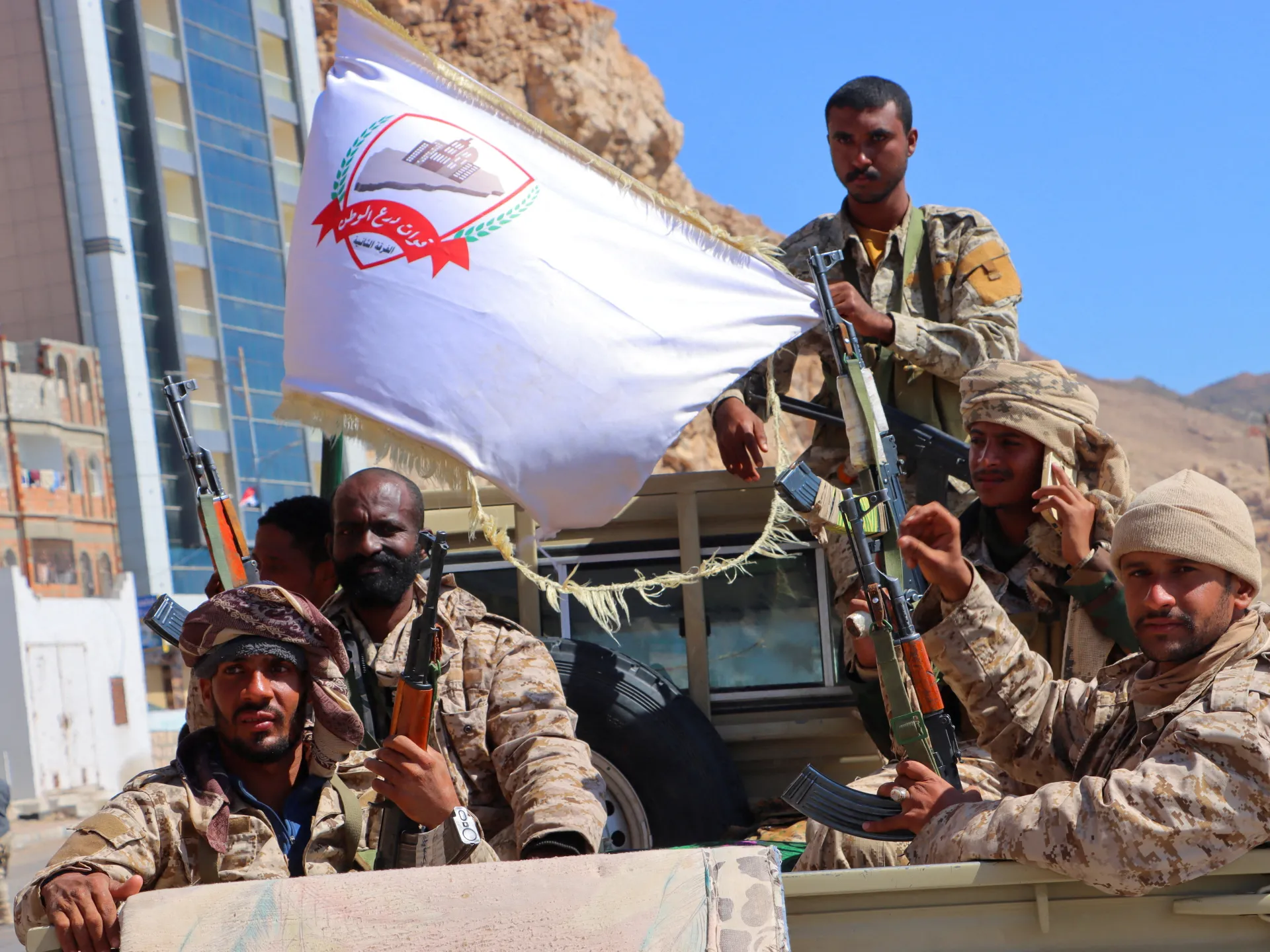
Soldiers within the internationally recognised government's armed forces in Yemen are confronting severe delays in salary disbursement, with some units reporting their last payment as far back as December. Monthly earnings for these personnel range between 60,000 and 180,000 riyals, a figure that translates to approximately $38 to $116 Australian dollars. However, the practical value of these funds has been significantly eroded by persistent currency instability and acute liquidity shortages within the national economy.
The scale of the force facing these financial constraints is substantial, comprising between 180,000 and 220,000 personnel. While the majority are stationed in support roles or on guard duty, approximately 30 to 40 percent of the total strength are deployed directly on the front lines. Despite the government's pledge to clear all outstanding arrears by Eid al-Adha in late May, the reality for troops in cities such as Marib and Aden remains one of financial strain and uncertainty.
A military source who requested anonymity indicated that the regular army receives a monthly budget of roughly 36 billion riyals, with approximately 17 billion riyals specifically allocated to the Fourth Military Region based in Aden. The Defence Ministry has attributed the failure to disburse these funds to external financial constraints, citing liquidity shortages and declining resources that complicate the distribution of salaries to the rank and file.
This financial pressure is creating a strategic vulnerability for the government's military structure. Analysts warn that the inconsistency in pay is incentivising experienced fighters to defect to irregular military formations operating outside the umbrella of the Ministries of Defence and Interior. These alternative groups, including the Security Belts, Elite Forces, and Giants Brigades, are reported to offer higher wages and more reliable payment schedules, with some fighters earning up to $320 per month.
The potential exodus of seasoned personnel poses a direct threat to the operational efficiency and discipline of the official army. Military affairs analyst Iyad al-Masqari noted that the situation could compel soldiers to join these irregular formations, leaving the state forces with a shortage of experienced combatants. Economic expert Mohammed al-Jamaei further suggested that the continued problem of arrears is forcing soldiers to seek alternative sources of income, which could further impact discipline within the ranks.
Beyond the immediate military implications, the wage delays highlight deeper systemic issues regarding resource distribution and the cost of living in a war-torn nation. Traders in Marib, Aden, and Taiz rely heavily on the spending power of soldiers to sustain local economic activity, meaning that late wage payments result in slower market turnover and broader economic stagnation in government-controlled areas.
Until the Defence Ministry can resolve the disbursement issues, soldiers in front-line cities are effectively fighting a dual battle, maintaining their posts while contending with poverty and the erosion of their purchasing power. The government's ability to retain its fighting force will depend on whether it can overcome these liquidity challenges before the promised deadline in late May.