Yemeni forces deploy drones against Houthis, challenging asymmetric warfare monopoly
Presidential Leadership Council Chairman Rashad al-Alimi emphasises comprehensive deterrence as government-aligned troops launch drone strikes across multiple fronts, altering long-standing conflict dynamics.
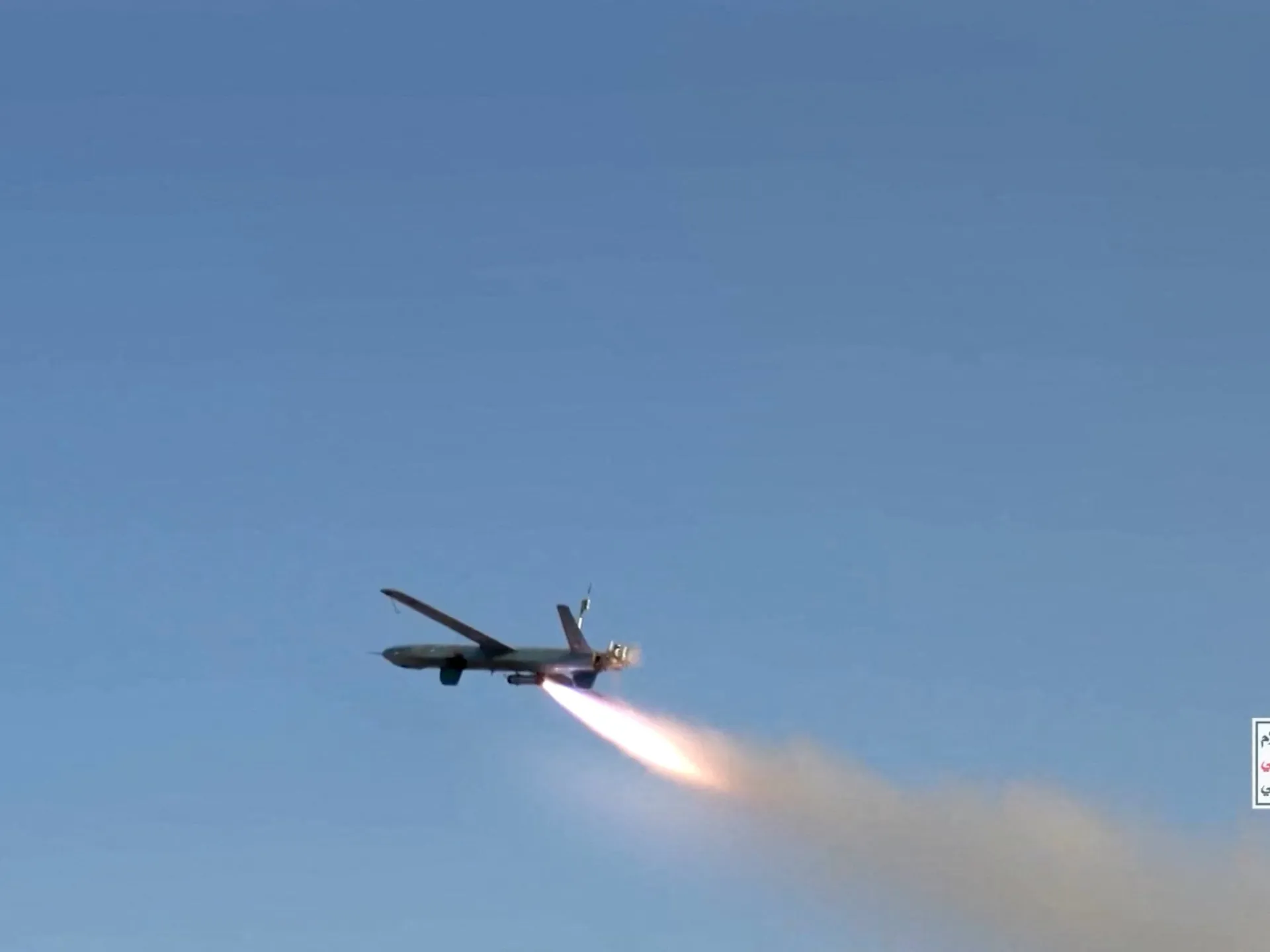
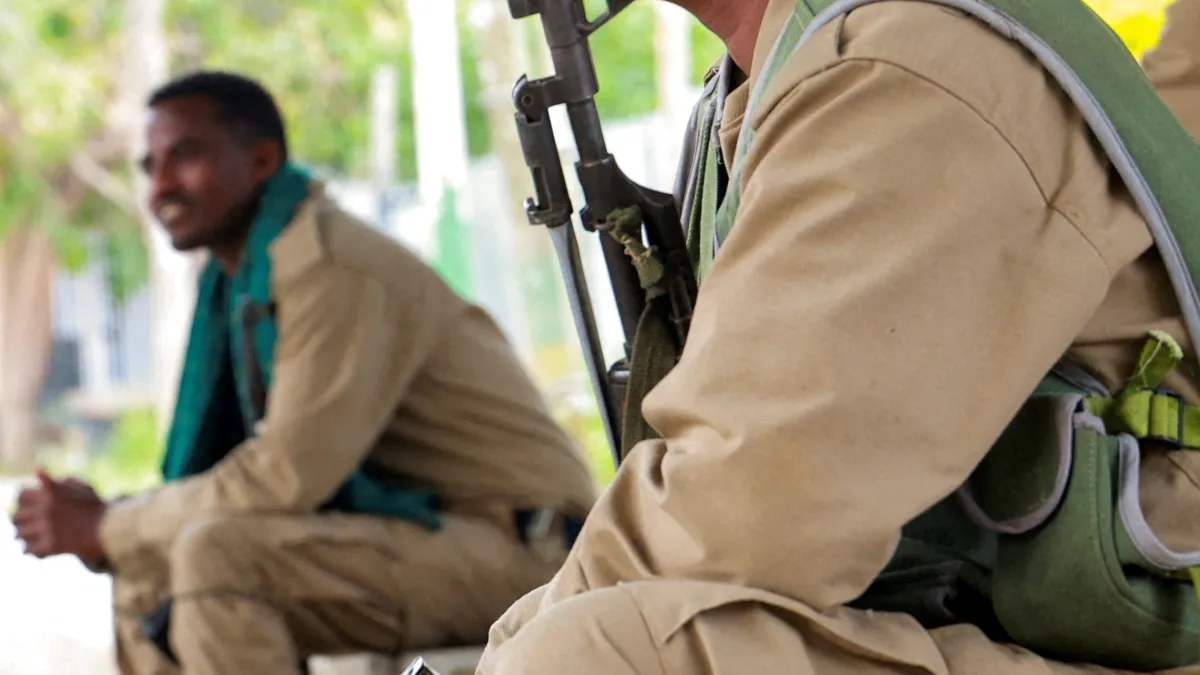
Yemeni government forces have initiated the use of drones against Houthi positions across several key fronts, including Marib, Taiz, al-Makha, al-Jawf, and al-Dhalea. This development marks a significant shift in the conflict, challenging the Houthis' previous near-monopoly on drone warfare and indicating a move toward a more sustained operational doctrine. Video evidence of these operations has been released by forces affiliated with the internationally recognised government, underscoring the escalation in military capability.
For years, the Houthis utilised drones as a primary weapon of asymmetric warfare, monitoring opponents and striking command centres far from contact lines while government forces largely remained in a defensive posture. The current trend suggests that government-aligned troops are no longer solely absorbing strikes but are actively disrupting Houthi deployment patterns. While parity in drone power has not been achieved, the ability to target Houthi gatherings, vehicles, and reinforcement routes forces the group to alter its behaviour, which military analysts view as a significant tactical achievement.
The strategic focus of these strikes appears directed at key gateways for potential ground operations. Marib serves as the gateway to the east and a critical political centre, while Taiz acts as a central coastal junction capable of pinning down large Houthi forces. Al-Makha and the western coast hold particular significance due to their proximity to Bab al-Mandeb and Hodeidah, suggesting that these fronts are being tested for their viability in a future ground war. The coordination across these disparate locations indicates that the parties are acting as though a ground offensive must be taken seriously.
Presidential Leadership Council Chairman Rashad al-Alimi has framed these military actions within a broader policy objective of restoring state institutions. Al-Alimi stated that no Houthi action would go without a response, defining the strategic goal as ensuring the state's monopoly over arms and sovereignty. He offered the Houthis the option of laying down arms to participate in political life, but emphasised that sustainable peace relies on comprehensive deterrence. The combination of these statements with increased military readiness on the ground lends weight to the government's message beyond mere political rhetoric.
The conflict is unfolding against a backdrop of heightened regional tensions, particularly involving the Red Sea and the Strait of Hormuz. As Iran exerts pressure on the Strait of Hormuz and the United States engages in confrontations with Iran, the strategic value of the Red Sea and Bab al-Mandeb has increased. Saudi Arabia is working to protect its energy and trade routes via the Red Sea, while Yemeni government forces demonstrate greater activity on the ground. This dynamic may lead to a new formula where Yemeni forces take on the bulk of the ground confrontation, supported by Saudi deterrence and maritime protection.
However, the convergence of these factors raises concerns about the margin for strategic error. The Houthis continue to conduct broad offensive operations, including strikes on Hadramout and escalations against Saudi Arabia and international navigation. Meanwhile, government forces are testing new tools to regain the initiative, and regional powers are recalibrating their deterrence strategies. The real test for the government will be whether these moves evolve into a consistent operational doctrine where every Houthi attack incurs a direct cost, or if the pattern of limited responses persists.