Ethiopia’s rebel alliance faces unresolved disputes over land and power
Seven groups say they seek an inclusive transition after Abiy Ahmed’s removal, but their territorial claims and military coordination remain unsettled.
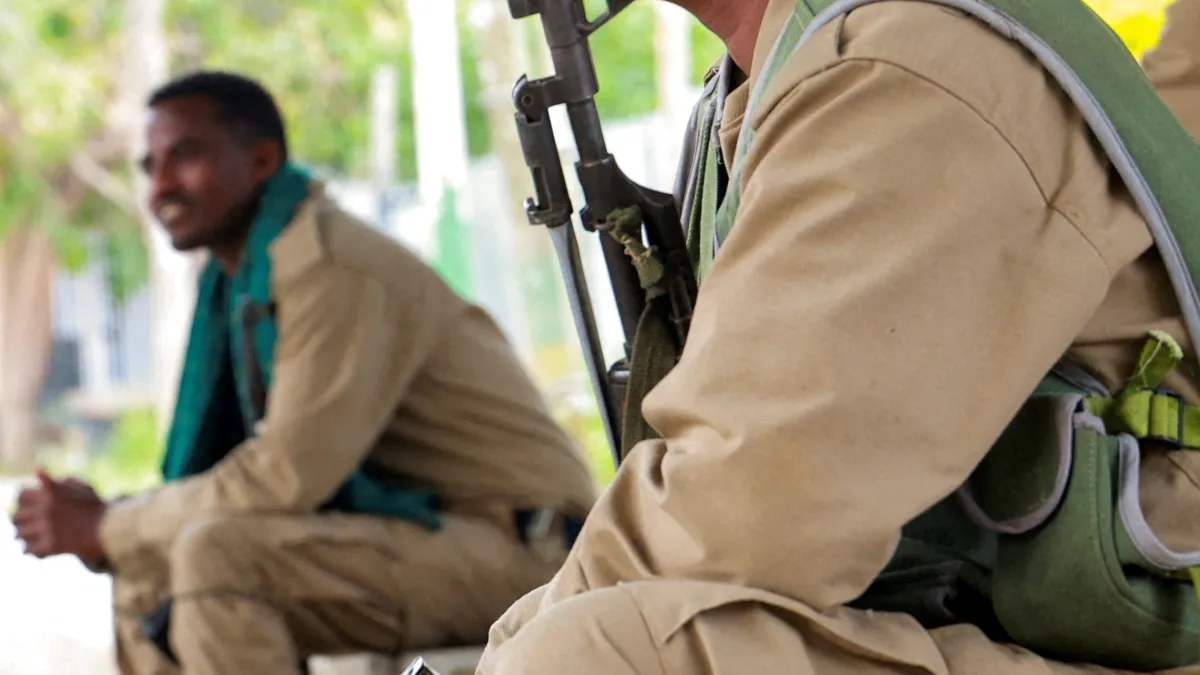
The Ethiopian Peoples’ Forces Alliance for Survival, announced on 20 September, brings together the Tigray People’s Liberation Front (TPLF), Amhara Fano National Movement, Oromo Liberation Army and four other regional movements. Its stated aim is to remove Prime Minister Abiy Ahmed’s government and establish an inclusive transition.
An Al Jazeera opinion article reports that TPLF forces and the Afar National Unity Revolutionary Front advanced into several districts in Afar’s Zone 2 three days after the announcement, meeting little resistance. The account has not been independently confirmed in the supplied material. ANURF leader Ibrahim Osman Aliyu said the fighting targeted the Prosperity Party, not Afar people, and advised residents to join his forces or stay away.
The groups’ ability to operate under a shared command remains unclear. The article notes that Oromo support for the alliance is divided and an Ogaden National Liberation Front faction’s participation is disputed, underscoring that the signatories do not necessarily represent all the communities they name.
Territorial claims pose another challenge. Both the TPLF and Fano claim western Tigray, known as Wolgait-Tsegede to Amhara, and the alliance’s founding statement does not resolve the dispute. Its members also differ over federal arrangements, boundaries and how power should be distributed.
The article draws comparisons with a 2021 opposition alliance that fractured as members left or made separate agreements. It argues that the current coalition is distinct, but warns that a shared opponent may not be enough to hold it together as military and political disputes sharpen.
The highway linking Ethiopia to Djibouti is described in the article as a possible next target, but that remains speculation. The author also outlines prolonged conflict and alliance fragmentation as possible outcomes; these are assessments, not confirmed developments.