Yemen fighting intensifies across fronts tied to territory, energy and shipping
At least 194 people have been killed and 880 wounded in two weeks of fighting, according to aid agencies, as Houthi and government forces contest strategically important areas.
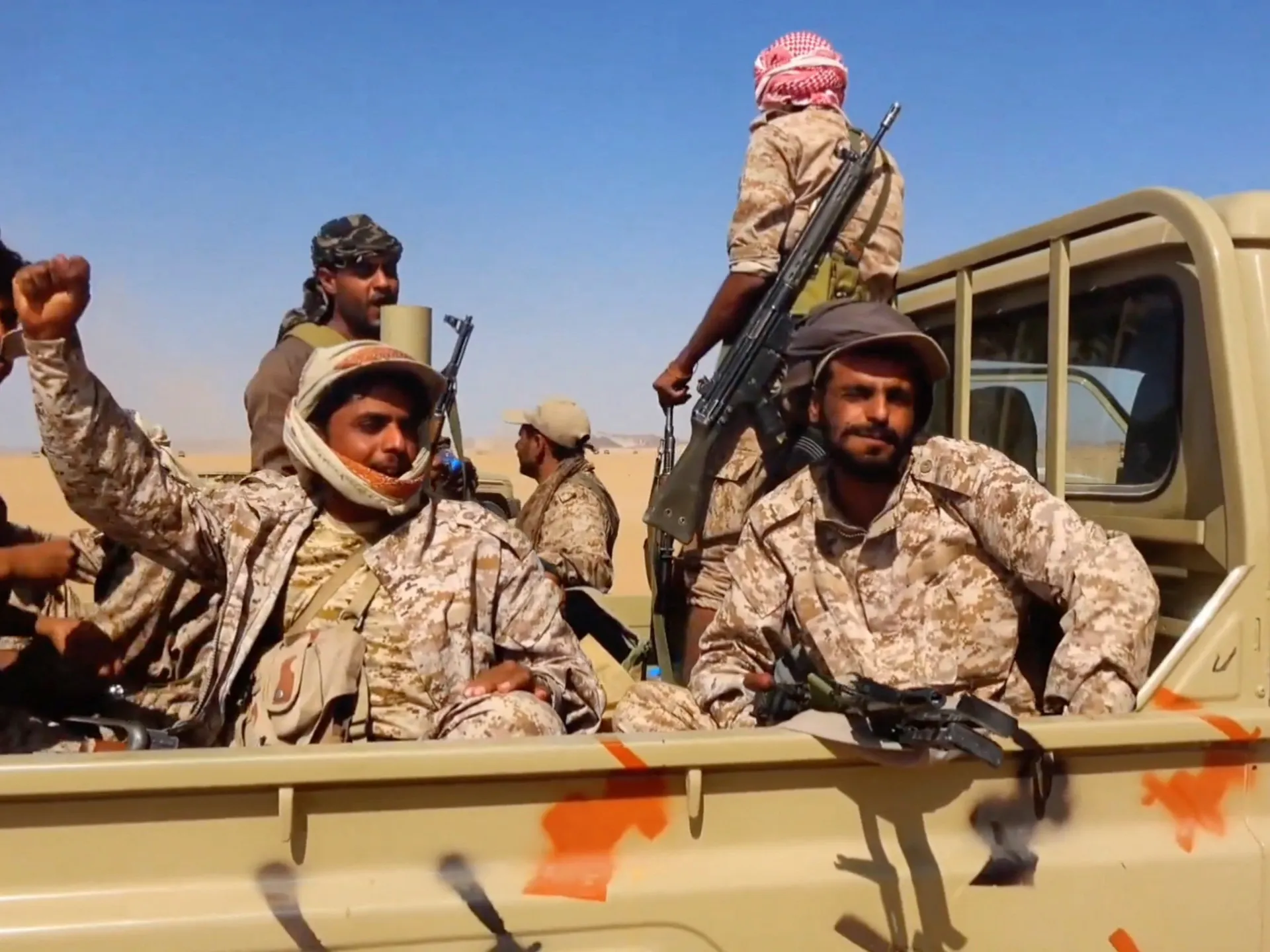
Fighting between Houthi forces and Yemen’s UN-recognised government has intensified across Taiz, the western coast, al-Jawf, Marib and Dhalea, according to Al Jazeera Global News. The reported escalation spans northern, western and central parts of the country, with both sides using missiles, drones, aircraft and ground forces.
Aid agencies cited by Al Jazeera reported at least 194 people killed and 880 wounded over the past two weeks. The figures have not been independently verified in the supplied material, and no breakdown of civilian and combatant casualties was provided.
On the western coast, Houthi attacks have intensified around al-Makha, a port district near the Bab al-Mandeb strait. Analysts cited by Al Jazeera said control of the surrounding heights and roads could affect supply routes and the ability of government forces to connect positions between the coast and Taiz. Bab al-Mandeb links the Red Sea with the Gulf of Aden and is a major international shipping route.
Government-aligned forces have increased offensive activity in Marib and al-Jawf. Marib has remained under government control since the Houthis captured Sanaa and large areas of northern Yemen in 2014, and contains oil and gas infrastructure. Al Jazeera cited analysts who said the fighting could influence government authority in the north, access to energy resources and the breadth of territory each side must defend.
Fighting has also increased in Dhalea, a corridor between Houthi-held northern territory and southern governorates. Violence continued there at a lower level during the relative calm that followed the April 2022 UN-brokered ceasefire. Analysts told Al Jazeera that advances on the front could affect routes towards Ibb, al-Bayda and Sanaa.
The supplied reporting does not establish whether the escalation reflects coordinated advances or separate offensives. It also leaves territorial changes and competing battlefield claims unverified, while analysts linked the renewed fighting to both domestic military objectives and the wider regional confrontation.