Xi Jinping calls for multilateral AI governance as China establishes new global cooperation body
Chinese President Xi Jinping urges international cooperation to prevent single-country dominance in artificial intelligence, while Beijing unveils competitive models and secures agreements with 29 nations.
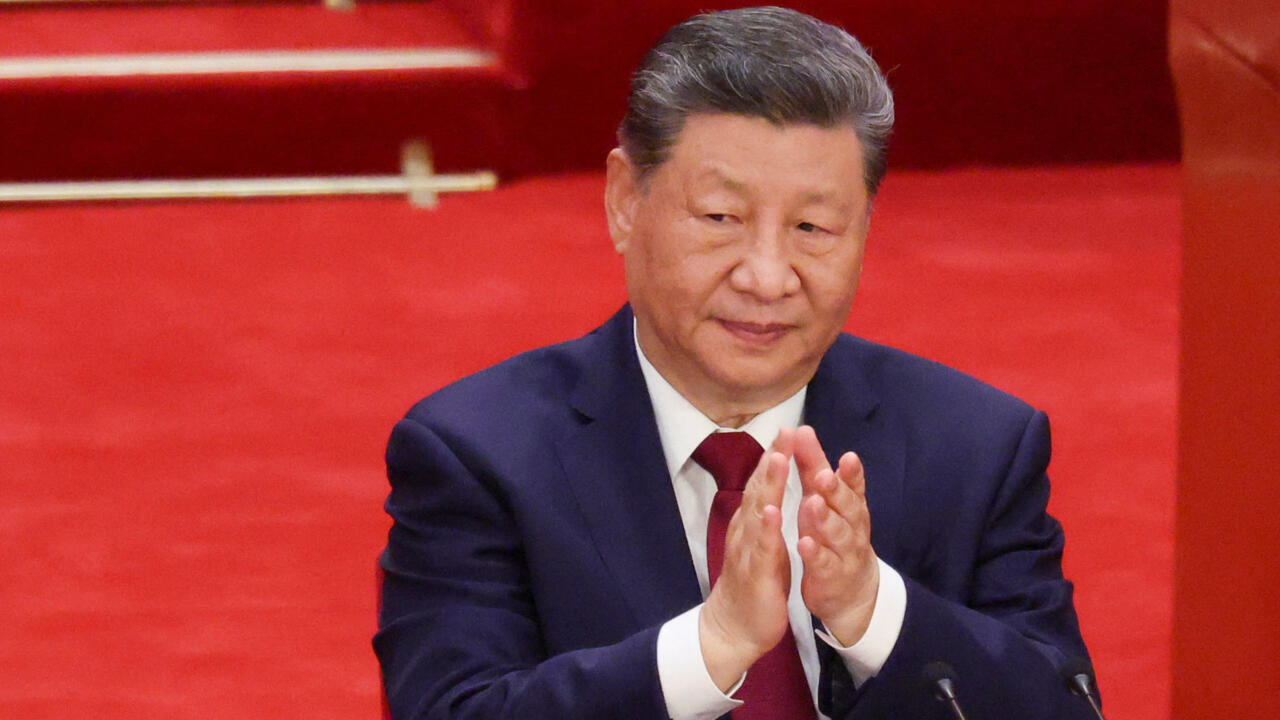
Chinese President Xi Jinping has called for a multilateral framework to govern artificial intelligence, warning against the dominance of any single nation and the overextension of national security concepts in the sector. Speaking at the opening of the World Artificial Intelligence Conference in Shanghai on Friday, Xi described AI development as a "symphony of international cooperation" rather than a solo performance, advocating for a people-centric approach that ensures technology remains under human control through laws and monitoring systems.
The conference, attended by leaders from 29 countries including Russia, Pakistan, and Indonesia, saw the signing of an agreement to establish the World Artificial Intelligence Cooperation Organization. Headquartered in Shanghai, the new intergovernmental body aims to promote consultation and collaboration among members to ensure the healthy and orderly development of AI. Representatives from the United Nations, Cambodia, and Thailand were also present at the event, which serves as a focal point for debates on global AI governance.
Amidst these diplomatic efforts, Chinese technology firms are demonstrating significant competitive capabilities. Beijing-based startup Moonshot AI released its flagship model, Kimi K3, which reports suggest rivals top US offerings. Other highlights included MiniMax’s M3 model, a smartphone equipped with autonomous AI agents, and Huawei’s Atlas 950 supernode. These developments underscore China’s rapid progress in moving from isolated models to scalable systems deployable in everyday life.
Economic data indicates a robust expansion of the domestic sector, with China’s AI market valued at 1.2 trillion yuan in 2025. Daily consumption of AI tokens has increased a thousandfold over the past two years, and patent filings for generative AI exceeded 43,000 between 2024 and 2025, the highest volume globally. This growth has attracted international attention, with companies such as Siemens adopting Chinese open-source models due to their lower costs and customisation capabilities compared to closed US systems.
Despite these advances, experts note that the United States retains a clear lead in advanced chips, frontier computing infrastructure, and capital-intensive model development. Nevertheless, China is positioned as the closest and most comprehensive competitor, leveraging state investment to build a domestic ecosystem from chip production to consumer use. The conference highlights the growing tension between Western security-focused restrictions and Beijing’s push for an inclusive, multilateral governance structure.