WTI crude oil nears $150 as backwardation signals supply tightness amid US-Iran tensions
While political rhetoric and algorithmic trading continue to suppress volatility, the WTI forward curve’s shift to backwardation suggests commercial markets are pricing in significant supply constraints relative to demand.
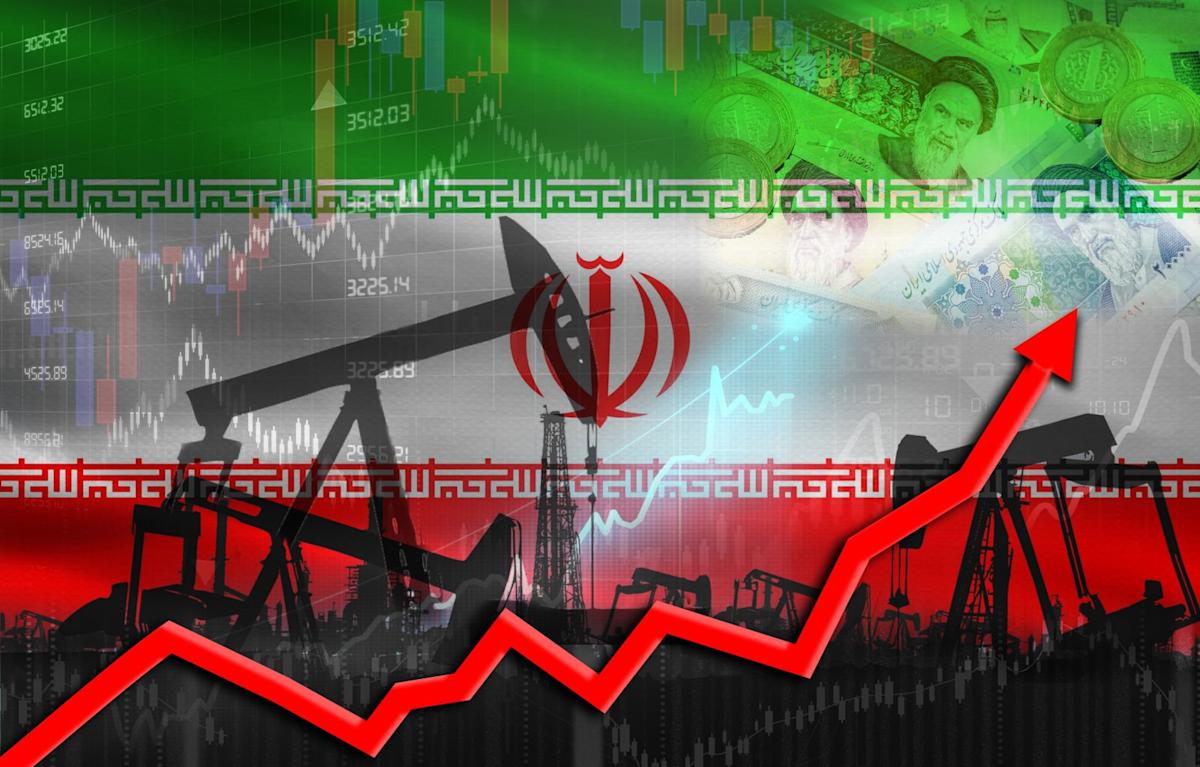
Discussions surrounding West Texas Intermediate (WTI) crude oil reaching $150 per barrel have intensified following the escalation of the ongoing US war on Iran. Market analysts note that while similar price projections were made in 2008, current market fundamentals differ significantly from that period. The WTI forward curve currently exhibits strong backwardation, a structural shift that contrasts sharply with the strong contango observed in 2008 and suggests commercial concerns regarding supply relative to demand.
The 2008 market featured a strong contango in the forward curve, indicating ample supplies to meet demand, which analysts argue made the investment-led rally unsustainable. In contrast, the current backwardation in the WTI forward curve implies that the commercial side of the market is concerned about supplies in relation to demand. This structural change has reignited debates about whether the spot-month WTI contract can surpass the 2008 peak of $147.27, with some traders previously forecasting a rise to $200 based on bullish fundamentals.
However, analysts caution that market movements are heavily influenced by political rhetoric and artificial intelligence trading algorithms, which may suppress prices despite underlying supply and demand pressures. The US president has stated that a deal with Iran could be reached in 'two or three days', a statement interpreted by analysts as market manipulation rather than a firm timeline. The US administration is reportedly interested in lower interest rates for personal reasons, creating a conflict with the goal of managing skyrocketing energy prices.
The US Federal Open Market Committee (FOMC) is expected to implement a 25-basis point rate hike at either the October or December 2026 meeting, driven by inflation exacerbated by the war and tariff policies. The US president’s one-word trade policy of tariffs is described as a tax on US consumers, further complicating the economic landscape. AI trading algorithms are noted to focus on vague keywords in political statements, often ignoring more telling contextual words, thereby allowing the administration to move markets in preferred directions.
In 2008, WTI crude oil peaked at $147 before falling to a low near $33 in January 2009. Left to its own devices, supply and demand would likely take the spot-month WTI crude oil contract, as well as the spot-month Brent crude, to new all-time highs beyond the 2008 marks. However, the interplay between political intervention, algorithmic trading, and fundamental supply constraints remains the primary driver of price action in the current energy markets.