Damascus court sentences former Assad cousin to death in landmark transitional justice verdict
The Fourth Criminal Court’s ruling marks the first judicial decision against a senior al-Assad-era figure under the current transitional authorities, testing the new government’s commitment to accountability.
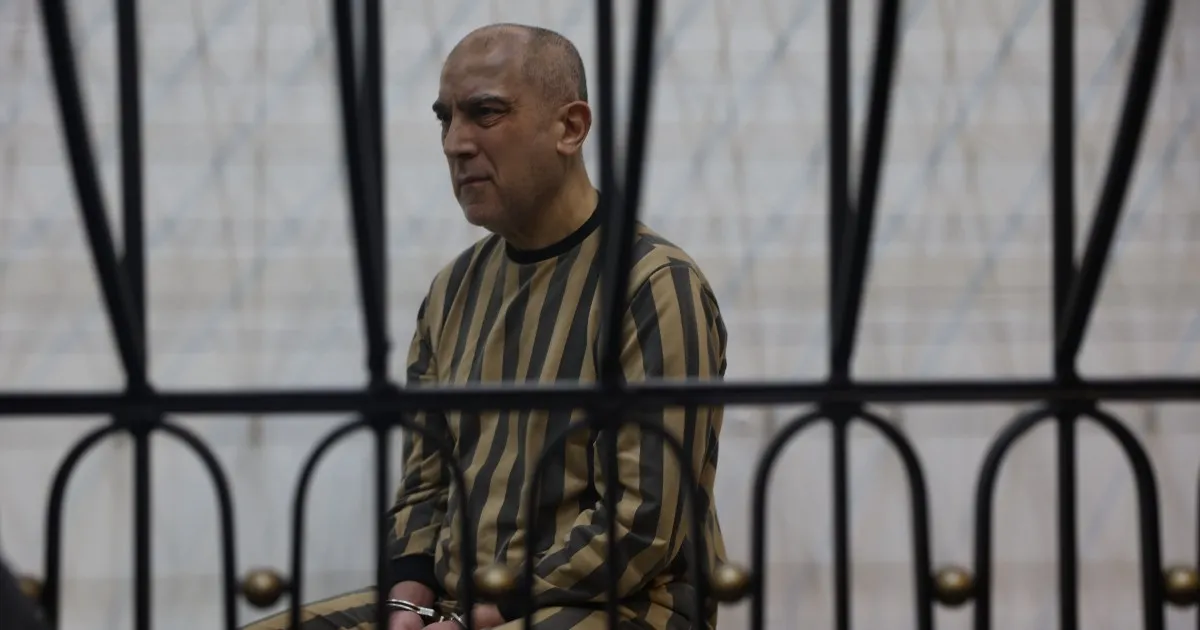
A Damascus court has sentenced former Syrian security official Atef Najib to death for crimes against humanity, including murder and torture committed during the 2011 Deraa crackdown. The verdict, delivered by the Fourth Criminal Court, also convicted ousted leader Bashar al-Assad and his brother Maher al-Assad, who were sentenced in absentia.
Najib, 66, is the first cousin of Bashar al-Assad and the former head of political security in Deraa province. He was arrested in January 2025 during a campaign targeting remnants of the former government in Latakia province, after returning to Syria from exile. His detention marks a significant shift in the transitional authorities’ approach to holding former regime figures accountable.
The trial, which began on 26 April, involved 75 plaintiffs who provided testimony. Najib was charged with at least 10 crimes, including responsibility for the deaths of detainees and the 2011 massacre in Deraa. The court ruled that the actions of the al-Assad government in Deraa amounted to crimes against humanity, a legal categorisation that distinguishes the violence from standard criminal proceedings.
Unlike the al-Assad family, who fled to Russia in December 2024 when armed opposition groups seized Damascus, Najib remained in Syria. He oversaw political security in Deraa during the initial outbreak of the uprising, a period that saw teenagers arrested and tortured for antigovernment graffiti, an event that catalysed the broader conflict.
The verdict is viewed as a critical test of Syria’s transitional justice system. Interim President Ahmed al-Sharaa’s government has faced criticism for delays in launching a broader transitional justice process, despite the estimated 500,000 deaths and over 181,000 forced disappearances during the civil war. Syrians celebrated the verdict in the streets outside the court in Damascus, viewing it as a historic moment for accountability.