Ramsey warns half of Americans face retirement shortfall as savings rates stagnate
With the personal savings rate hovering at 2.7% and Social Security replacing just 40% of pre-retirement income, experts say maximising tax-advantaged accounts and alternative assets is critical for long-term security.
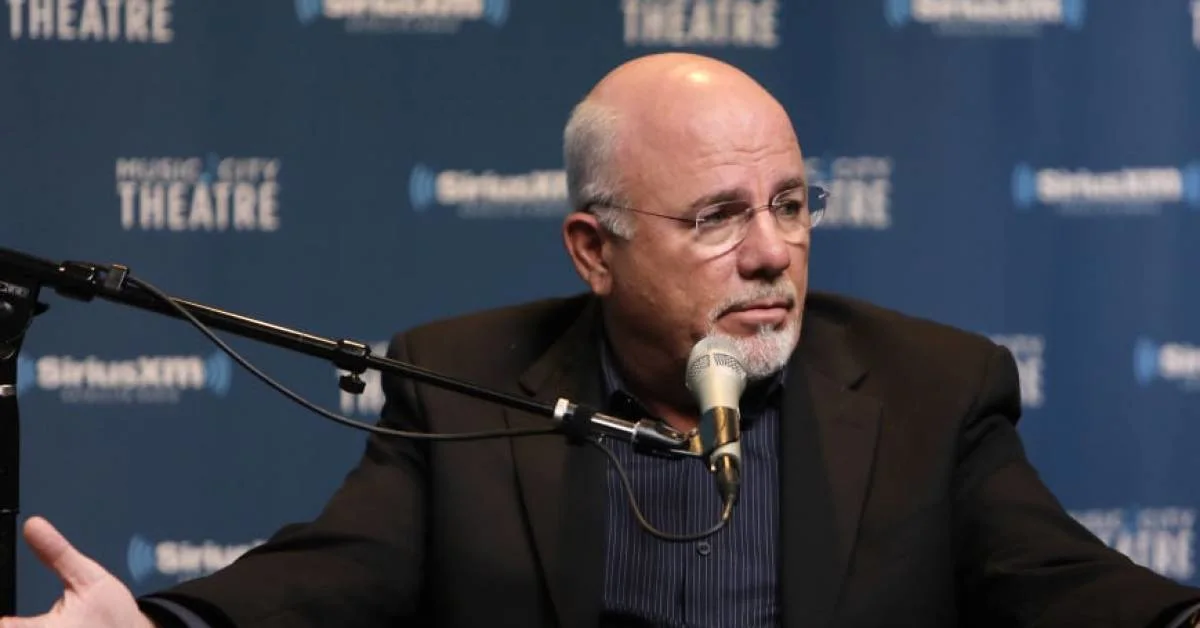
Financial commentator Dave Ramsey has highlighted a significant gap in American retirement planning, noting that nearly half of US citizens are making a critical error regarding their future income security. According to Ramsey’s 2023 "Today's Retirement Crisis" study, which draws on 2016 survey data, 42% of Americans are not currently saving for the future at all. The analysis underscores that while Social Security serves as a major income source for 62% of retirees, it replaces only 40% of pre-retirement earnings, leaving a substantial shortfall for most households.
The disparity between recommended and actual savings behaviour is stark. Industry experts advise that individuals should save 15% of their gross income to build an adequate nest egg, yet Ramsey’s research indicates that only one in ten Americans achieves this benchmark. This conservative saving habit is reflected in broader macroeconomic data; as of June 2026, the US personal savings rate stood at just 2.7% according to the Bureau of Economic Analysis, a figure Ramsey describes as insufficient to fund a robust retirement.
Current benefit projections further illustrate the scale of the challenge. The estimated average monthly Social Security retirement benefit for 2026 is $2,071, translating to an annual income of approximately $24,852. This amount falls well short of the $1.26 million that an average American is estimated to need for a comfortable retirement. Consequently, relying solely on state benefits is increasingly viewed as inadequate for maintaining pre-retirement living standards.
To address these deficits, Ramsey outlines a strategy centred on maximising tax-advantaged accounts such as 401(k)s and Roth IRAs. Despite the tax benefits, participation remains low, with a 2025 Gallup survey revealing that about 40% of Americans do not have a retirement savings account. For those who do participate, the balances are often modest; Vanguard data from year-end 2025 showed an average participant account balance of $167,970, with a median balance of just $44,115.
Beyond traditional savings vehicles, the report suggests diversifying into alternative investments to hedge against economic uncertainty. Options include utilising high-yield cash accounts for liquidity, investing in precious metals through Gold IRAs, or accessing real estate markets via crowdfunding platforms like Arrived. These strategies aim to help investors build wealth independently of the stock market, providing a more secure financial foundation for the golden years.