World Cup Day 3: Brazil Face Morocco as Diplomatic and Security Issues Mount
As Brazil take on Morocco in New Jersey, Ghana’s Thomas Partey remains stranded in Rhode Island after Canada denies his visa, while US President Donald Trump skips the tournament opener.
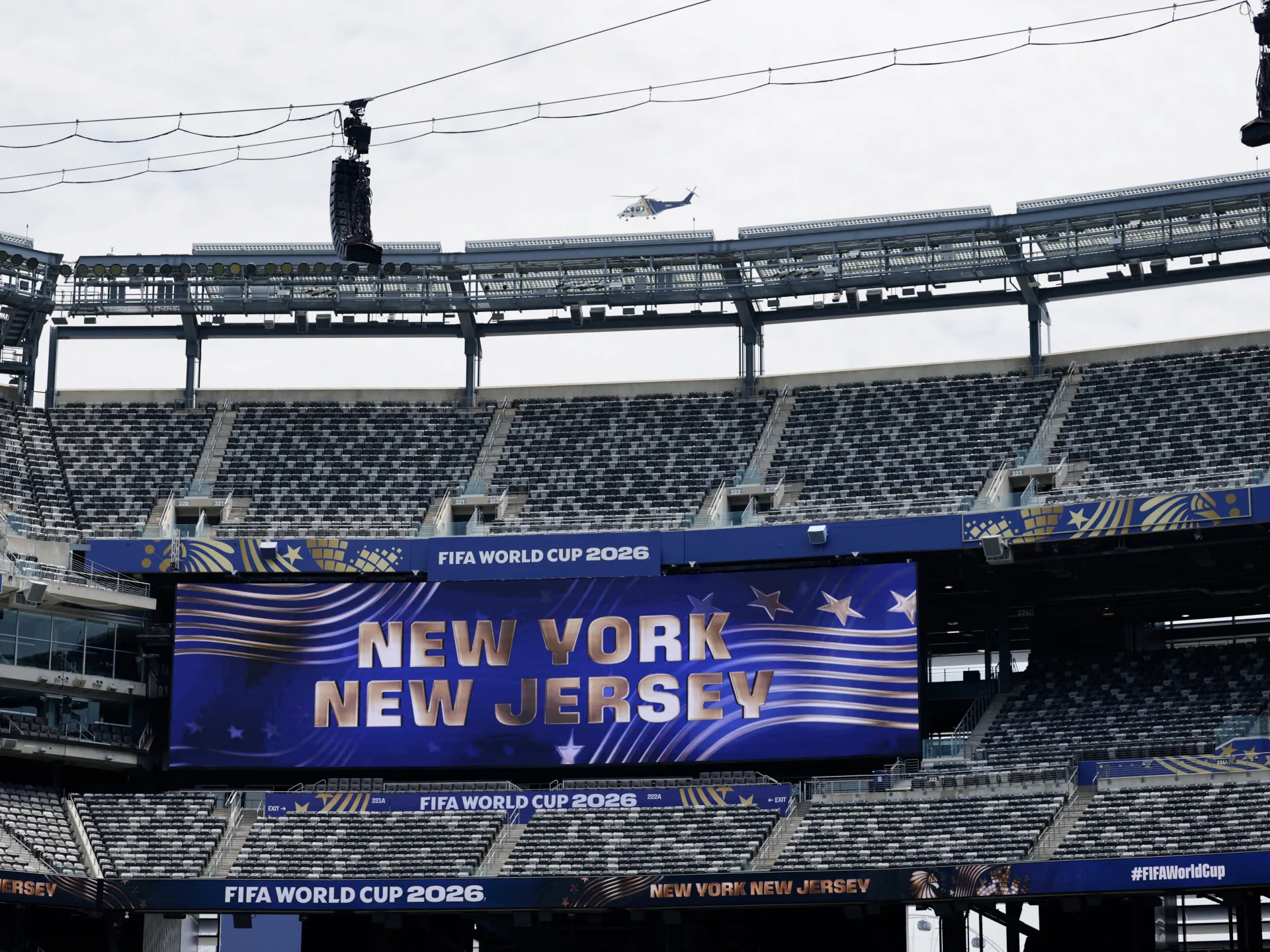
The 2026 FIFA World Cup enters its third day with a schedule of group-stage fixtures spanning North America, headlined by Brazil’s clash against Morocco at MetLife Stadium in East Rutherford, New Jersey. The match, scheduled for 6pm local time, represents the marquee contest of the day as the five-time champions seek to restart their campaign without Neymar, who was sidelined during their opening fixture.
Brazil’s opponents, Morocco, arrive with momentum following their semi-final run in the previous tournament. Historical data indicates Brazil holds a significant advantage, having won seven of their eight World Cup matches against African opponents. Statistical modelling by Opta assigns Brazil a 57.7 percent probability of victory, with a 23.5 percent chance of a draw and 18.8 percent for a Moroccan win. The outcome is expected to be pivotal in determining who tops Group C.
The day’s other group-stage matches include Qatar facing Switzerland in Vancouver, Haiti meeting Scotland in Arlington, and Australia taking on Turkiye in Seattle. In the Group B fixture, Switzerland are heavy favourites with a 76.0 percent chance of victory over Qatar, who secured a solitary friendly win against the Swiss in 2018. Meanwhile, Turkiye hold a slight edge over Australia in their Group D opener, having won both previous friendlies between the sides.
Off the pitch, administrative and diplomatic issues have dominated headlines. Ghana midfielder Thomas Partey has been denied entry to Canada by the Canadian government, preventing him from joining his team’s opener against Panama. FIFA confirmed that Partey’s visa application was refused while he awaits trial in the United Kingdom on multiple charges, which he denies. The governing body reiterated that immigration decisions rest solely with host governments.
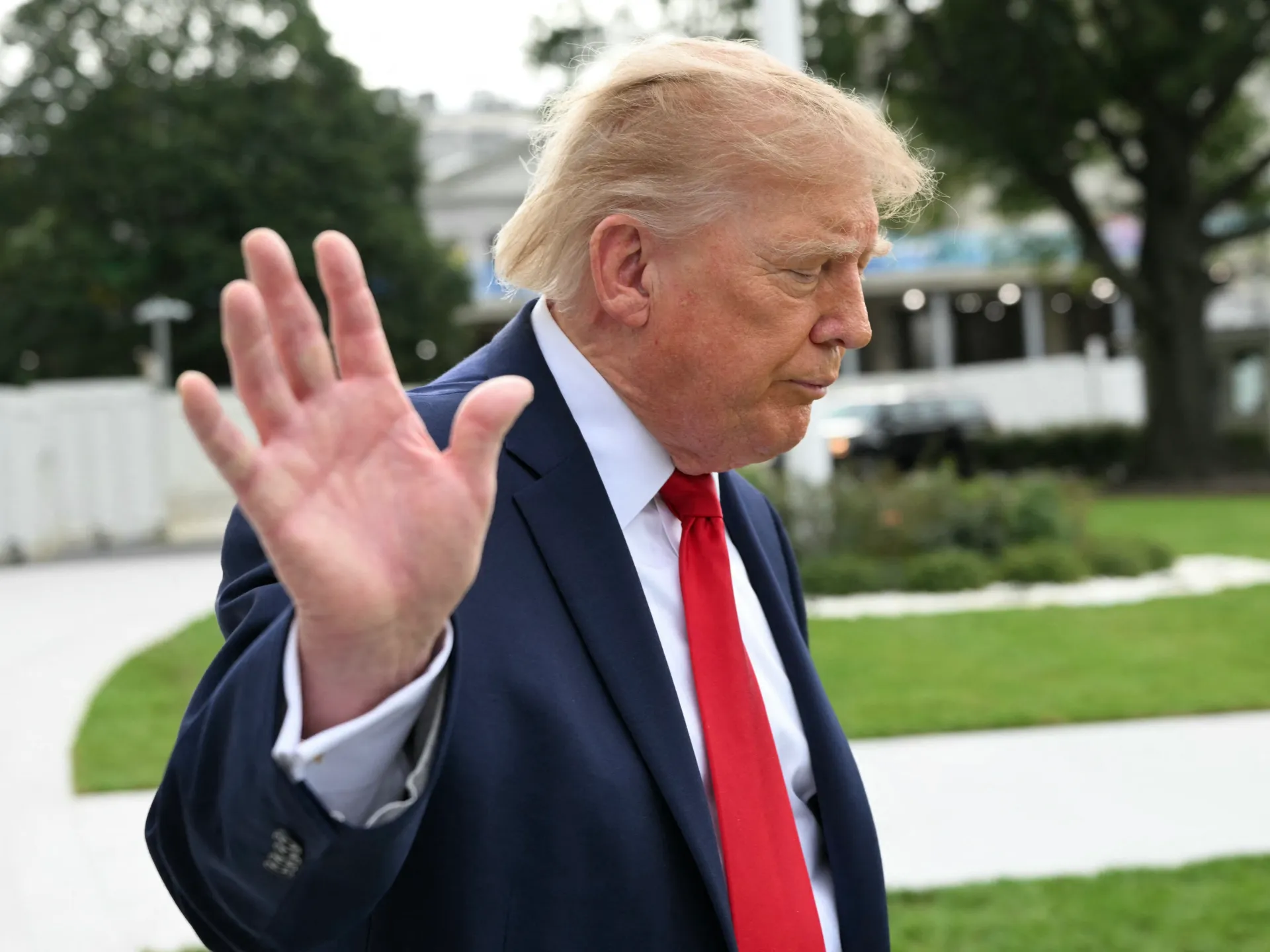
Political absence also marked the tournament’s early days, with US President Donald Trump skipping the United States’ 4-1 victory over Paraguay in California. A White House official stated the President plans to attend the final at MetLife Stadium on July 19. In a separate diplomatic anomaly, former Canadian Prime Minister Justin Trudeau attended the US match in Los Angeles rather than Canada’s fixture in Toronto.
Security operations in Peru have drawn international attention after police conducted a drug raid in Lima while dressed as World Cup mascots. Video footage showed officers breaching a property with a battering ram before arresting a suspect and seizing narcotics. As the tournament expands to 48 teams, such incidents highlight the complex logistical and security challenges facing the host nations.
The World Cup continues to generate significant cultural interest beyond the stadiums, with local food scenes in host cities from Mexico City to Miami becoming a focal point for fans. However, the immediate focus remains on the pitch, where Brazil, Australia, and Scotland look to establish early dominance in their respective groups.