World Bank slashes global growth forecast amid US-Iran conflict fallout
The Washington-based lender has reduced its 2026 global growth projection to 2.5 per cent, citing the economic impact of the ongoing conflict, while pledging up to $60 billion in assistance to developing nations.
The World Bank has significantly downgraded its 2026 global economic growth forecast to 2.5 per cent, attributing the revision to the severe economic fallout from the escalating conflict between the United States and Iran. In its latest Global Economic Prospects report, published on Thursday, the institution noted that global growth is now projected to reach its slowest pace since the onset of the COVID-19 pandemic, a sharp decline from the 2.9 per cent estimate issued in January.
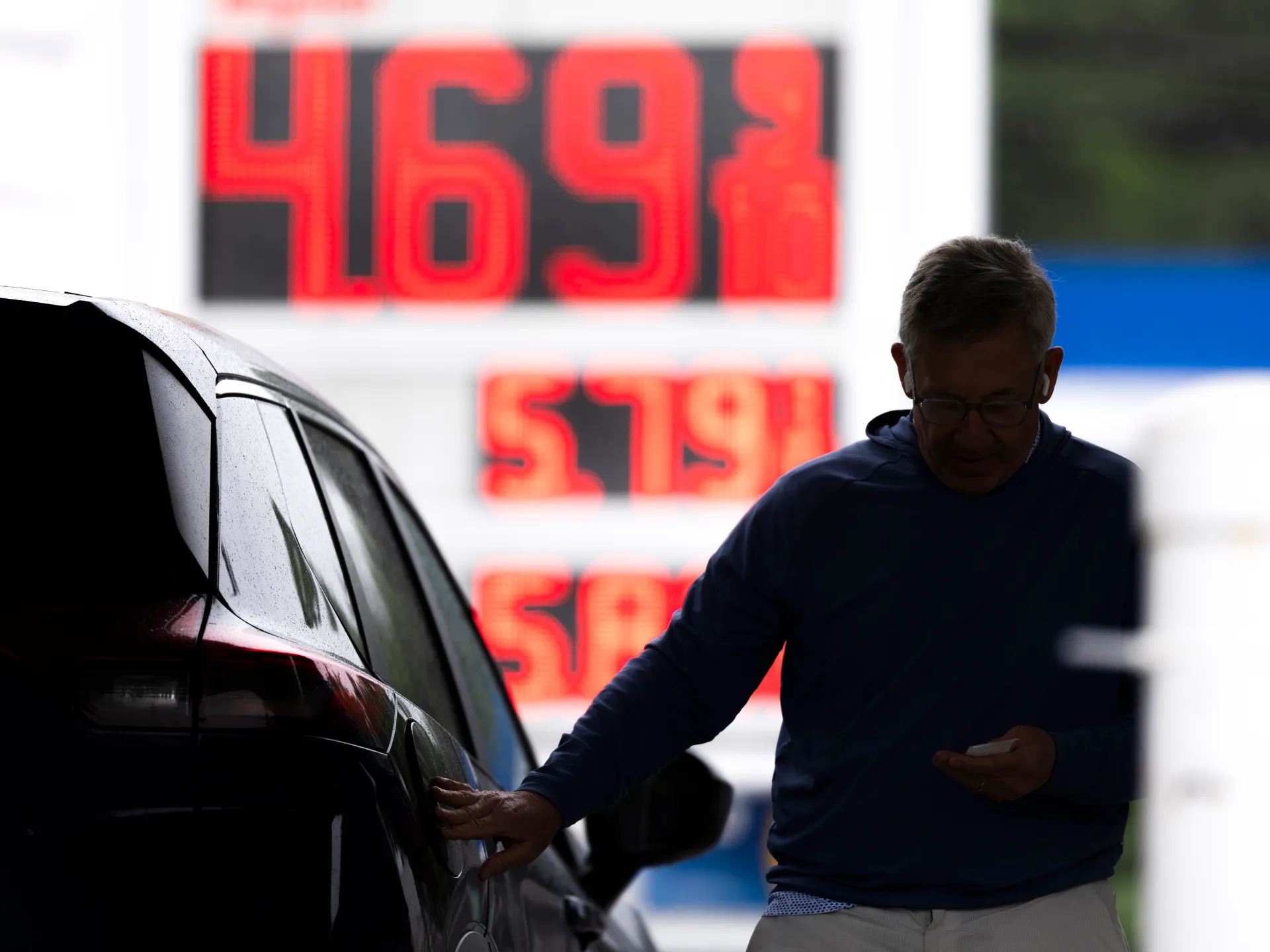
The downgrade is driven by surging energy costs, rising inflation, and increased borrowing costs, all exacerbated by Iran’s closure of the Strait of Hormuz. The strategic waterway, a critical artery for global oil and gas transit, has been declared closed to all vessel traffic by Iran’s military command following recent US airstrikes. This disruption has placed immense strain on global supply chains, with the World Bank estimating that Brent crude prices will average $94 a barrel this year, representing a 36 per cent increase from the previous year’s average.
Consequently, global inflation is projected to rise to 4 per cent this year, up from 3.3 per cent last year. The report also highlights significant increases in fertiliser prices, which are expected to have knock-on effects for global food prices. The institution warned that the outlook could deteriorate further if supply disruptions worsen, with growth potentially plummeting to 1.3 per cent and inflation reaching 4.4 per cent.
The impact is being felt disproportionately across the developing world, where two-thirds of countries have seen their growth forecasts downgraded since January. The report noted that, excluding China and India, developing nations have made little progress in narrowing their per capita income gap with wealthy countries over the past decade. World Bank Group President Ajay Banga emphasised the difficult position facing these economies, stating that the basic test is to protect people and preserve stability today without sacrificing long-term growth and jobs.
In response to the crisis, the World Bank has pledged up to $60 billion in assistance to developing countries affected by the economic fallout. The institution indicated that this support could be increased to $100 billion if the conflict persists. While global growth is expected to recover to 2.8 per cent in 2027, it will remain below the average recorded during the 2010s, underscoring the long-term structural challenges posed by the current geopolitical instability.