Security protocols under scrutiny as Trump departs NATO summit on alternate aircraft
Calls for congressional inquiry mount as details emerge of secret flight from Ankara and debate over safety of alternative transport.
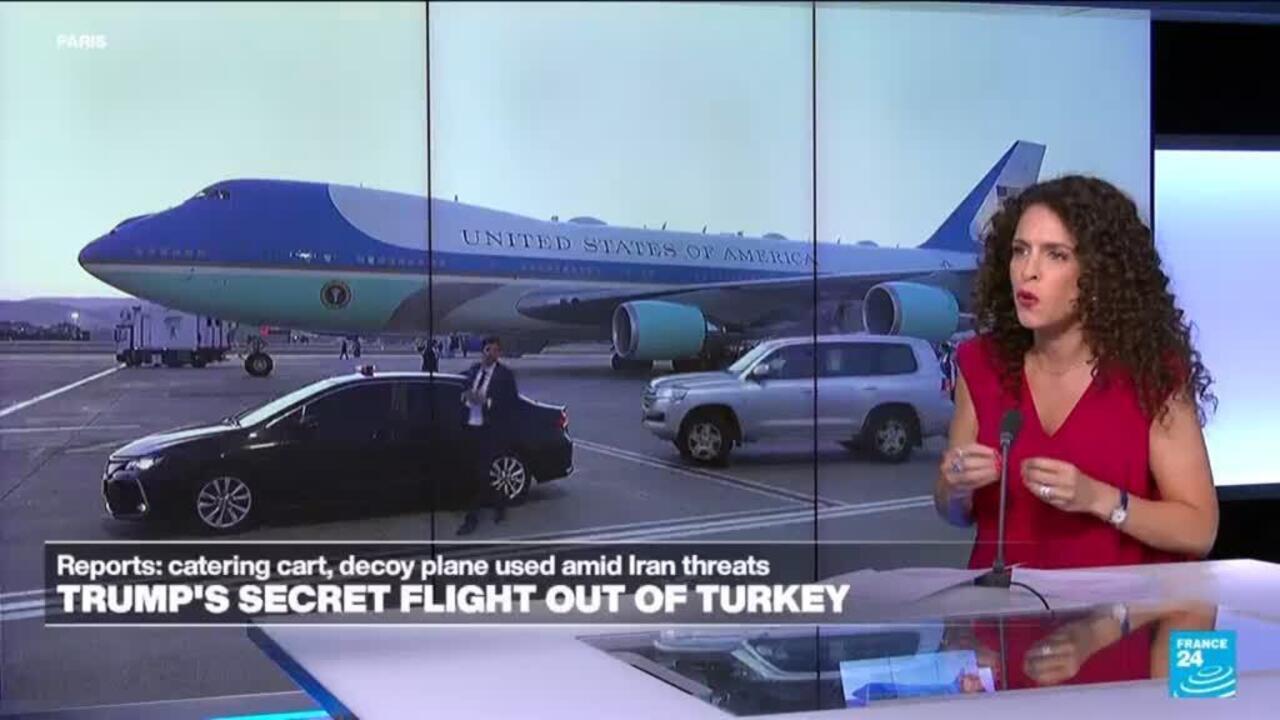
US President Donald Trump departed the NATO summit in Ankara, Turkey, on an alternate military aircraft while the White House maintained the public appearance that he was travelling on Air Force One, according to a report published by The Washington Post. The revelation has intensified scrutiny over presidential security protocols and the handling of sensitive diplomatic events.
The departure was motivated by a specific threat from Iran, though the precise nature of the danger was not detailed in the initial reporting. To facilitate the covert exit, the US leader was reportedly shuttled via a catering truck to avoid detection by the media and public, a measure that has since sparked calls for a congressional inquiry into the circumstances surrounding the event.
The incident occurs against a backdrop of escalating military tensions in the region. The United States is currently engaged in military strikes against Iran, marking the 12th consecutive night of operations targeting military assets, missile storage, air defence systems, and a power substation near a nuclear plant in Bushehr. Iran’s Islamic Revolutionary Guard Corps (IRGC) has retaliated by striking US bases in Kuwait and Jordan, claiming the destruction of Patriot systems and drone hangars.
Compounding the security concerns is a debate regarding the safety of the aircraft used for the secret flight. Reports indicate that the alternate plane was a gift from Qatar, and questions have been raised about its suitability and safety standards for transporting the US president. This has added a layer of complexity to the political fallout, with critics pointing to potential lapses in standard security procedures.
Meanwhile, the IRGC has also set a tanker ablaze in the Strait of Hormuz, further destabilising the region. The combination of active military engagement and the controversial nature of the president’s departure from the NATO summit has drawn international attention to the US approach to crisis management and diplomatic security.
As the White House continues to present the narrative that the president travelled on Air Force One, the discrepancy between the official account and the Washington Post’s findings remains a focal point for political observers. The situation highlights the challenges of maintaining transparency and security in an era of heightened geopolitical conflict.
The ongoing military operations and the secret flight have underscored the volatile environment in which US foreign policy is currently being executed. With Iran continuing to strike back at US interests and the region remaining on edge, the details of the Ankara departure serve as a stark reminder of the risks involved in high-stakes diplomatic engagements.