World Bank commits $60 million to cross-border bridge linking Bangui and Zongo
The 645-metre structure will span the Congo River, connecting the two nations’ major urban centres in a move designed to bolster regional connectivity.
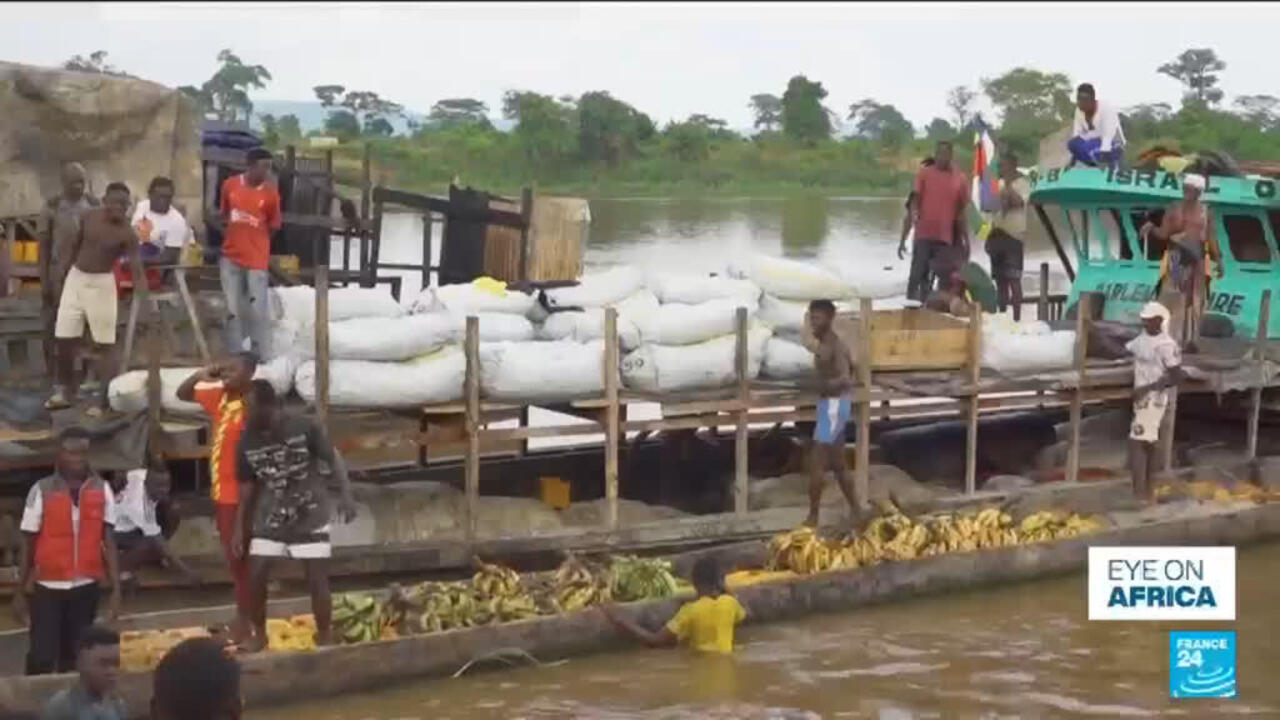
The World Bank has approved a $60 million funding package for the construction of a new bridge across the Congo River, a project that will physically link the Central African Republic and the Democratic Republic of Congo. The infrastructure development is designed to connect the capital city of Bangui with the town of Zongo, facilitating improved cross-border movement and commerce between the two neighbouring nations.
The proposed structure will measure 645 metres in length, serving as a critical transport link between the two urban centres situated on opposite banks of the river. By establishing a permanent connection between Bangui and Zongo, the project seeks to address existing logistical challenges and strengthen trade corridors that have historically relied on less stable or more costly transit methods.
This investment represents a significant step in regional infrastructure development, with the World Bank providing the necessary capital to realise the bridge. The funding underscores the institution’s focus on enhancing physical connectivity in Central Africa, a region where transport networks are often fragmented and can hinder economic integration.
The bridge’s location at the intersection of the two countries’ primary cities positions it as a vital node for regional trade. Strengthening these transport links is expected to reduce friction in cross-border commerce, allowing for more efficient movement of goods and people between the Central African Republic and the Democratic Republic of Congo.
While the World Bank has committed the funds for the project, specific details regarding the construction timeline or expected completion date have not been disclosed in the initial reports. The focus remains on the approval of the financing and the strategic importance of the link between Bangui and Zongo.
The project highlights ongoing efforts to stabilise and integrate economies in the region through large-scale infrastructure. By linking two major population and commercial centres, the bridge aims to provide a durable solution to transport bottlenecks that have long affected the area.
As the project moves forward, the bridge will serve as a tangible symbol of cooperation between the two nations. The World Bank’s involvement signals a commitment to supporting development initiatives that have the potential to yield long-term economic benefits for both countries.