Turkiye, Pakistan and Saudi Arabia formalise mutual defence pact with NATO-style clause
The trilateral agreement, revealed by the Turkish defence ministry one week after its signing, places defence ties on a “sustainable” footing amid heightened regional tensions.
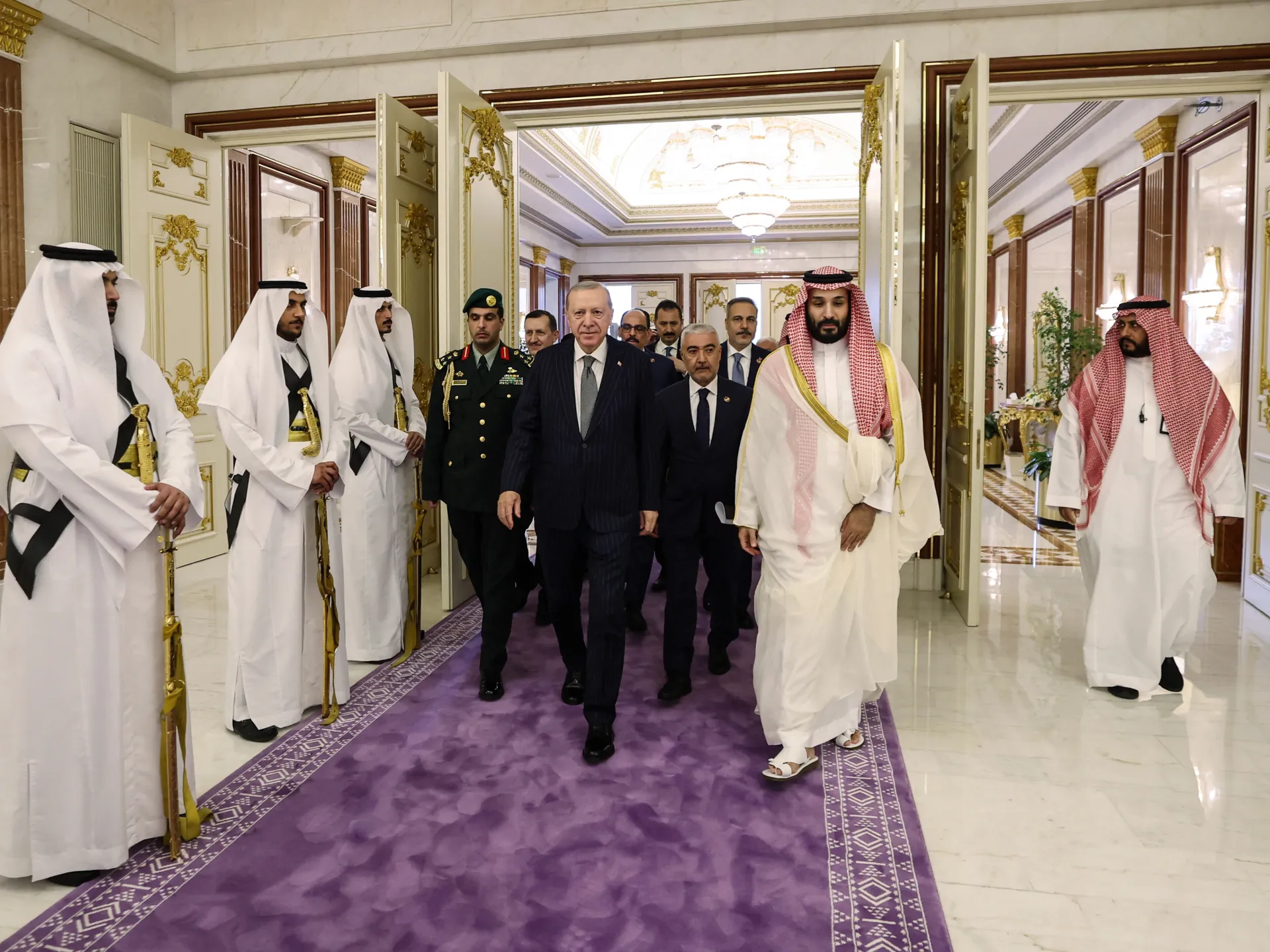
Turkiye, Pakistan and Saudi Arabia have solidified a new security architecture through the Mecca Joint Defence Agreement, which includes a mutual defence clause stipulating that an armed attack on any one member state will be regarded as an attack on all. The Turkish defence ministry confirmed the details of the pact on Thursday, one week after the agreement was signed, outlining plans for joint military exercises and deeper cooperation between the nations’ defence industries.
The agreement aims to place defence and military ties on a “more institutional and sustainable” footing through the establishment of strategic political and military mechanisms. These structures will involve regular coordination at the highest level, including defence ministers, foreign ministers, and chiefs of general staff. The Turkish ministry noted a specific focus on enhancing cooperation in unmanned systems and artificial intelligence within the context of the alliance.
The pact follows high-level diplomatic engagements, including visits by Pakistani Prime Minister Shehbaz Sharif and Turkish President Recep Tayyip Erdogan to Saudi Arabia. Sharif travelled to the Kingdom accompanied by army chief Asim Munir, while Erdogan met with Saudi Crown Prince Mohammed bin Salman. The Turkish defence ministry clarified that the alliance does not seek to replace existing alliances but remains open to expansion, with Egypt being touted as a potential future candidate.
The mutual defence provision mirrors NATO’s Article 5, a precedent that has been invoked only once in history following the September 11, 2001 attacks. The agreement emerges during a period of heightened military tension in the Middle East, particularly as Saudi Arabia has faced repeated attacks from Iran targeting US military assets in the Gulf. This security environment has prompted a broader reconfiguration of regional alliances, including Saudi Arabia’s recent launch of the Multinational Maritime Defense Alliance to safeguard navigation in the Red Sea and Gulf of Aden.
While such mutual defence treaties are designed to deter large-scale interstate wars, analysts note that their effectiveness often diminishes in ‘grey zone’ conflicts involving proxy violence or internal repression. Historically, alliances with similar provisions, such as the League of Arab States’ 1950 treaty or the Rio Treaty, have served more as signals of political cohesion than as operational collective defence mechanisms in complex regional disputes.