World Athletics chief warns against political interference ahead of LA Games
The World Athletics president urges that while governments are essential for infrastructure, they must not dictate sporting outcomes, citing recent political pressure on FIFA and the upcoming Court of Arbitration for Sport hearing on Russian eligibility.
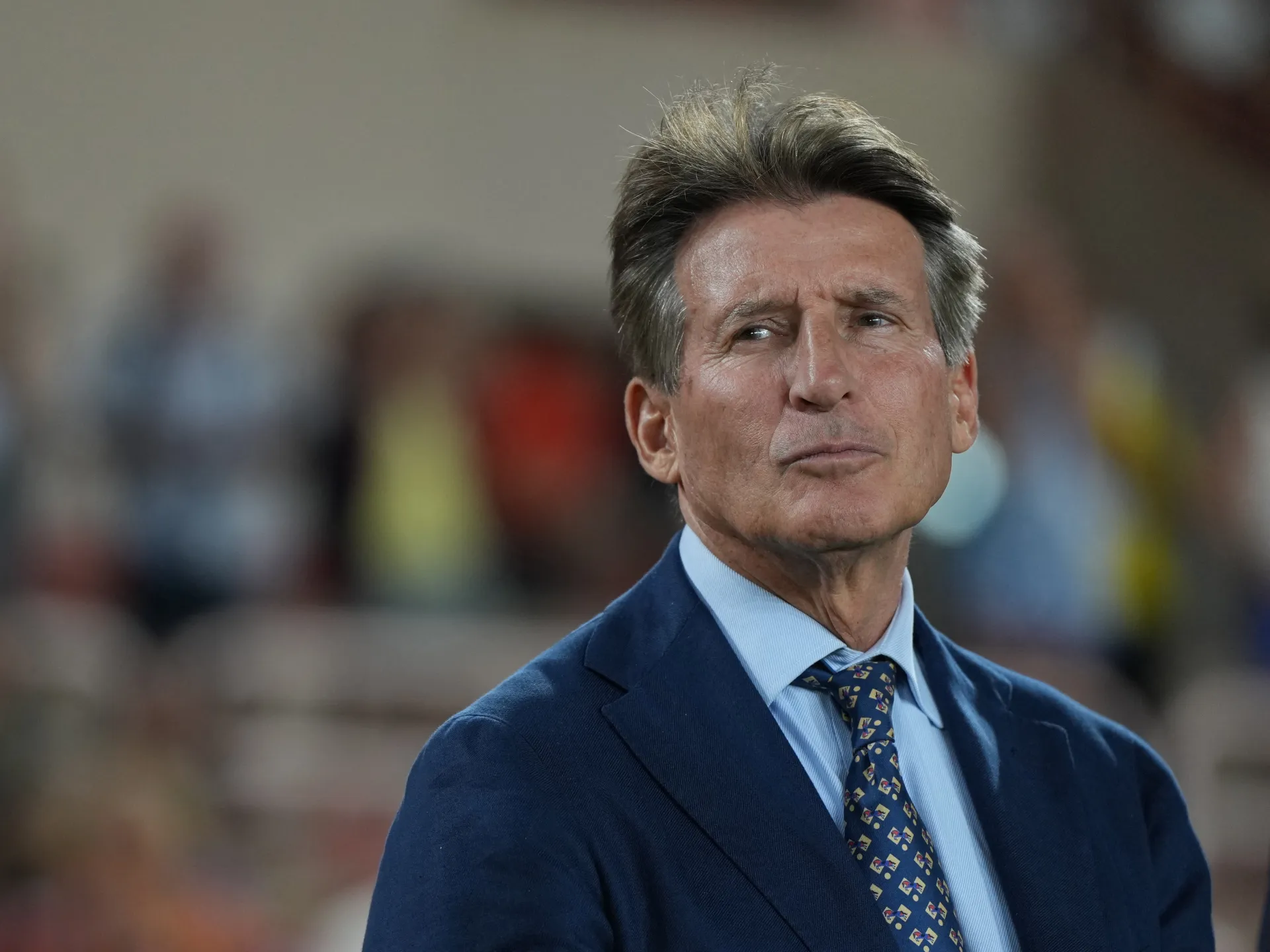
Sebastian Coe, president of World Athletics, has issued a stark warning regarding the intersection of politics and sport, urging that global governing bodies maintain their independence ahead of the 2028 Los Angeles Olympics. Speaking at the European championships, Coe articulated a clear boundary for state involvement, stating that while politicians should remain “on the bus,” they must not be permitted near the “steering wheel” of decision-making processes.
The comments were prompted by recent controversies surrounding FIFA, where US President Donald Trump allegedly intervened in a match officiating matter. Trump reportedly contacted FIFA President Gianni Infantino to overturn the red-card suspension of American forward Folarin Balogun, a move that resulted in the suspension being lifted. Coe noted that such external pressure tests the resilience of sporting organisations, emphasising that while relationships with government bodies are crucial for event delivery, they must not compromise institutional integrity.
Coe, a former British parliamentarian who led the organising committee for the 2012 London Olympics, acknowledged the necessity of working with Treasury, Defence, and Home Office counterparts to facilitate large-scale events. However, he argued that the delivery of the Games should not come at the cost of sporting autonomy. He suggested that organisations must be prepared to politely but firmly reject political overreach, a stance he believes he successfully maintained during the London Games.
Beyond political influence, Coe addressed the financial restructuring of global sport, particularly the growing role of private equity. With World Athletics’ broadcast and sponsorship deals set to expire in 2029, Coe confirmed that the federation is actively discussing partnerships with external revenue sources. He advocated for transparent governance and robust checks and balances when engaging with private investors, noting that such discussions have been ongoing at the executive board level for several years.
The World Athletics president also confirmed his intention to defend the federation’s ban on Russian athletes at the Court of Arbitration for Sport (CAS). This stance persists despite the International Olympic Committee lifting its suspension of the Russian Olympic Committee in July, which advised Olympic bodies that they no longer need to vet Russian athletes for neutral competition status. World Athletics imposed its ban shortly after the invasion of Ukraine in 2022, and Russian Athletics has now asked CAS to overturn the sanctions.
Coe described the primacy of international federations in determining eligibility as the “base of the pyramid” for sport. He asserted that the federation’s position is not driven by politics or passports, but by the integrity of competition. Coe, who lost a bid to become IOC president last year, stated he would be present at CAS to defend the organisation’s right to set its own standards, maintaining that this authority has been upheld in previous legal challenges.