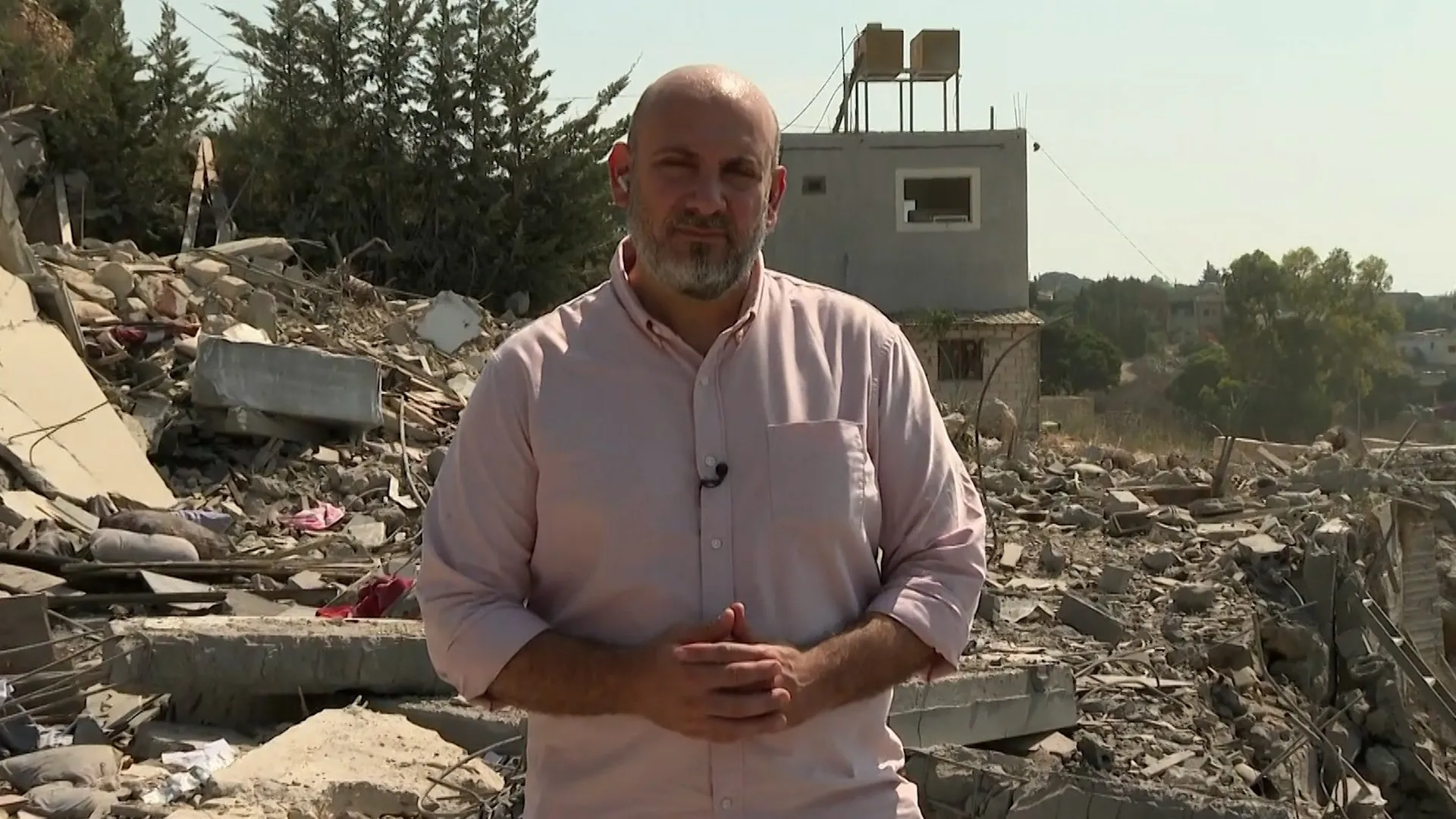
Seven killed in southern Lebanon as truce fractures amid fresh Israeli strikes
FRANCE 24 correspondent Renée Davis reports from Beirut that overnight strikes in a single village mark a significant breach of the so-called truce, raising governance concerns over the ceasefire’s viability.
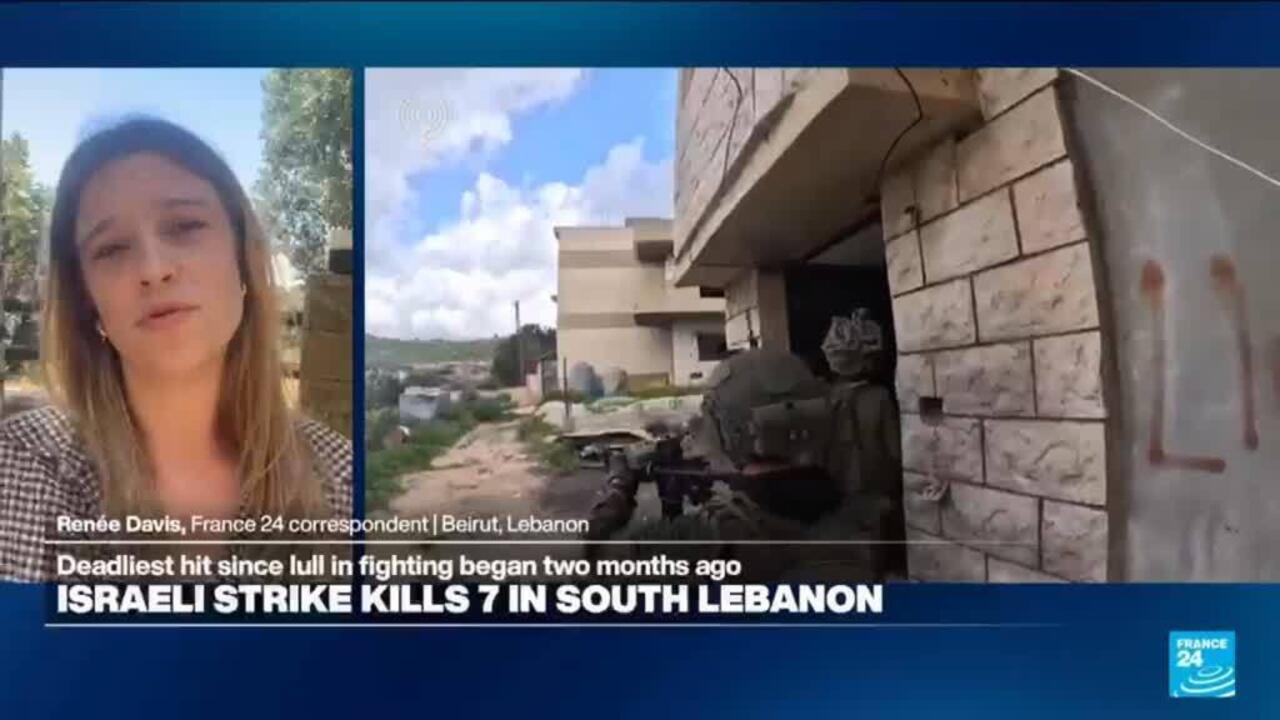
Overnight Israeli strikes in a village in southern Lebanon have killed at least seven people, marking the deadliest escalation since a lull in fighting began two months ago. The incident has drawn immediate scrutiny regarding the stability of the current ceasefire arrangement, with reports indicating a significant breach of the so-called truce.
FRANCE 24 correspondent Renée Davis reported from Beirut that the strikes signify a substantial escalation in hostilities. Her assessment highlights the fragility of the current diplomatic landscape, noting that the violence occurs despite the existence of a truce that has been described as tenuous by observers on the ground.
The timing of the attack is critical to understanding the current geopolitical tension. The lull in fighting has been in place for approximately two months, providing a window for diplomatic engagement. However, the overnight nature of the strikes in a single village suggests a breakdown in the mechanisms intended to maintain the ceasefire.
Despite the escalation, negotiations with Israel are reportedly continuing. This parallel track of violence and diplomacy underscores the complex governance challenges facing regional mediators, as efforts to stabilise the area are undermined by fresh military action.
The casualty figure of at least seven people remains the confirmed toll from the single village targeted. While the specific identities of the victims have not been detailed in initial reports, the scale of the loss of life in one location distinguishes this event from previous incidents during the lull period.
The characterization of the ceasefire as a "so-called truce" by international correspondents reflects the lack of universal adherence to the agreement. This terminology suggests that the institutional framework supporting the peace is under severe stress, with parties potentially failing to uphold their commitments to de-escalation.
As negotiations proceed, the focus remains on whether the diplomatic channels can withstand the pressure of renewed military activity. The incident serves as a stark reminder of the volatility in the region and the difficulties in enforcing a ceasefire that appears to be increasingly contested.