WMO launches historic mobilisation as 2026-27 El Niño predicted to be strongest on record
The World Meteorological Organization has initiated a major institutional response to a supercharged El Niño event, which scientists warn could inflict $7 trillion in global economic losses over five years.
The World Meteorological Organization (WMO) has launched what it describes as a major mobilisation to prepare for the 2026-27 El Niño, a climate phenomenon predicted to be the strongest on record. WMO Secretary-General Celeste Saulo stated that the agency has never before deployed such a significant effort in its 50-year history to deliver forecasts and services aimed at saving lives and livelihoods. The organisation’s response underscores a shift towards institutional preparedness as the event is forecast to peak between December and February.
Projections from the United Kingdom’s Met Office indicate that equatorial Pacific temperatures could spike by 3 degrees Celsius when the event fully develops in late 2026 or early 2027. This is a significant departure from the typical 1 to 2 degree rise associated with standard El Niño episodes. Adam Scaife, the Met Office’s head of long-range forecasting, described the current signal as unprecedented, noting that other forecast systems are showing similar extreme values.
The economic implications of this intensification are substantial. A group of economists at Citigroup estimates that a super El Niño could result in up to $7 trillion in global economic losses over a five-year period. These losses are expected to leave lasting impacts on gross domestic product growth as weather patterns shift across key growing regions. Morgan Stanley’s commodities strategist for Latin America, Julia Rizzo, noted that while most El Niño years are a nuisance, this event has the makings of a shock that will extend into supply chains and investment returns.
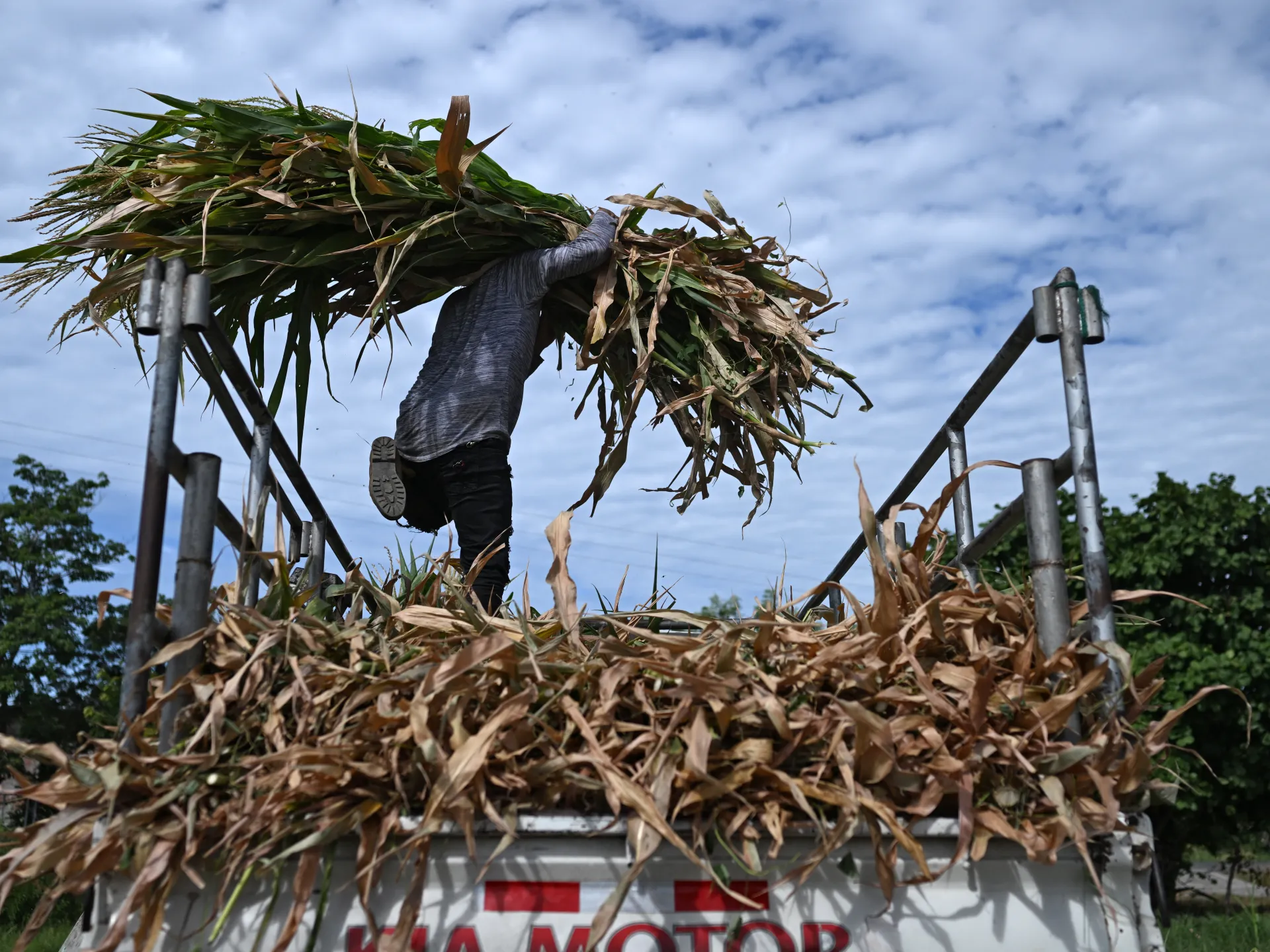
Food security is a primary area of concern for international agencies. The World Food Programme forecasts that 274 million people will face acute hunger by the end of 2027, an increase of 49 million from current levels. The agency warns that these climate shocks are compounded by high energy and fertiliser prices, which it attributes to the United States’ war on Iran. This convergence of factors increases the risk of pushing more populations into hunger as agricultural systems face systemic challenges.
Ecological impacts are already evident in the Pacific region. The disappearance of anchovies off the coast of South America has triggered a knock-on effect up the food chain, potentially causing deaths among seals and sea lions. Thousands of seabirds have washed up dead on Eastern Pacific coasts from California to Ecuador, with reports of daily strandings since June. Sebastian Cruz of the American Bird Conservancy stated that the magnitude of these deaths showcases the scale of the El Niño over a large expanse of the Pacific.
Climate scientists also anticipate a rise in global average temperatures. Nick Dunstone, a climate scientist at the Met Office, explained that large El Niño events release significantly more heat from the ocean to the atmosphere. Consequently, 2027 is very likely to replace 2024 as the hottest year on record, further intensifying pressures on communities and ecosystems already strained by human-induced global warming.