WMO declares 'supersized' El Niño as global institutions brace for extreme weather
The World Meteorological Organization warns the current event could be the strongest in 70 years, prompting nations to deploy early warning systems and pre-emptive medical aid.
The World Meteorological Organization (WMO) has issued a formal warning that the current El Niño event is developing into a "supersized" phenomenon, potentially marking the strongest instance in over 70 years. The UN agency stated that the event is expected to persist until at least February 2027, with sea surface temperatures in the Pacific’s key monitoring region currently more than 2°C above average. Forecasts suggest monthly temperatures could approach 4°C above average, while sub-surface temperatures in some areas have recorded more than 8°C above average.
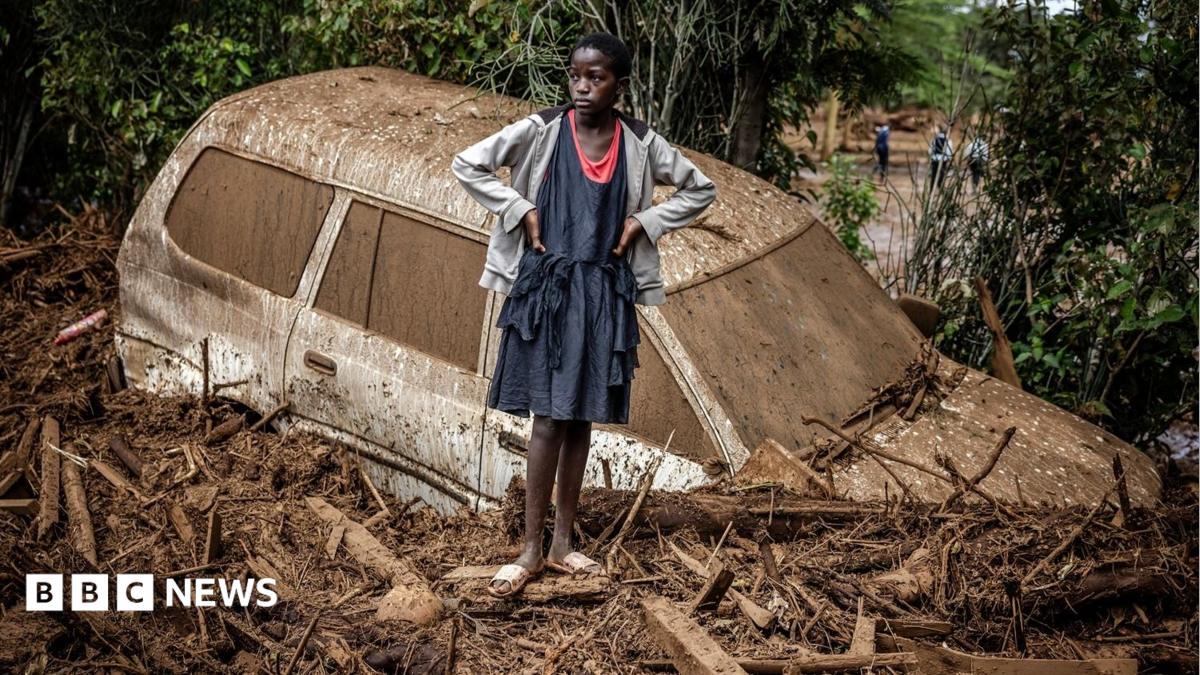
UN Secretary-General António Guterres declared that the world has entered a "danger zone of extreme weather," noting that the phenomenon is being "supersized before our eyes." He cautioned that the planet is in "uncharted waters," with the natural weather pattern expected to push some regions into drought while causing stronger typhoons and flooding in others. WMO Secretary-General Celeste Saulo warned that El Niño has the potential to deliver a "massive blow to communities and economies across the world," particularly as long-term human-caused warming occurs simultaneously.
In response, the WMO has undertaken a "major mobilisation" to circulate forecasts to as many communities as possible. Governments are implementing early warning systems and pre-emptive medical assistance to mitigate the risks of death, displacement, and environmental damage. In Peru, the United States has deployed the vessel USNS Comfort to the coast to provide additional medical assistance and technical equipment, anticipating the peak of the event.
Regional impacts are already manifesting in distinct policy and operational challenges. In Indonesia, authorities have reported that more than 107,000 hectares of land have burned in wildfires this dry season. The government is deploying cloud-seeding aircraft to trigger rains and has arrested dozens of individuals over allegations of land clearing. Meanwhile, China is expecting seven typhoons to make landfall this year, following three typhoons in July and a major evacuation in August involving more than a million people.
Australia faces specific risks to its marine ecosystems, with recent marine heatwaves driven by climate change leading to widespread coral bleaching and algal blooms. While forecasts indicate the Great Barrier Reef may be spared the worst of the current conditions, allowing time for coral recovery, southern Australia is expected to experience stronger marine heatwaves this summer. The country has introduced early warning systems for marine crises to facilitate financial relief for fisheries and the relocation of crucial species.
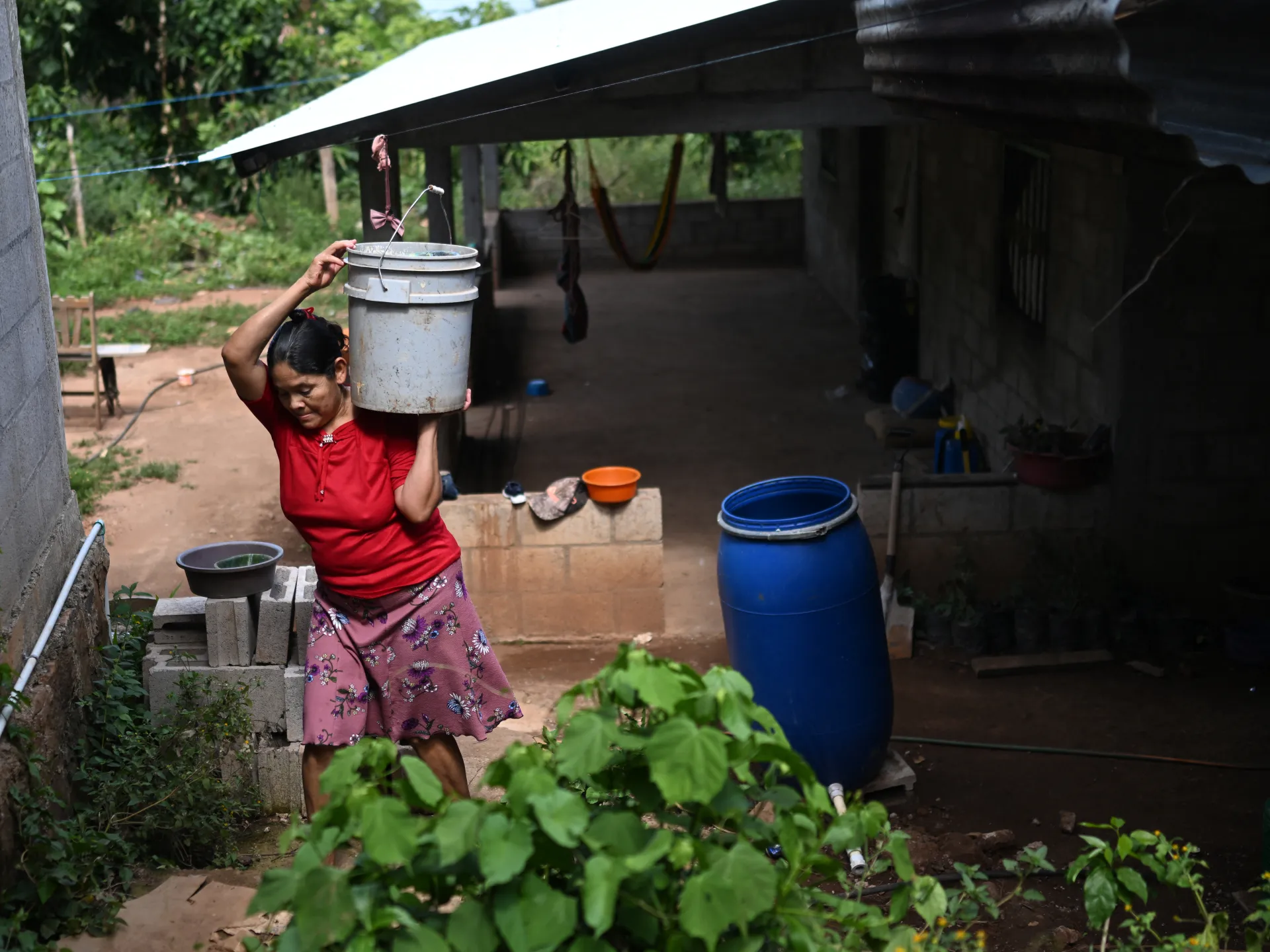
Economic disruption is also evident in global trade routes. The Panama Canal is reducing vessel traffic by more than 10% in anticipation of lower rainfall affecting water levels. This reduction impacts a waterway that handles approximately 14,000 ships per year and generates about $3 billion in annual income for Panama. As the event intensifies, the WMO expects significant changes in rainfall patterns over the coming months, with drier conditions forecast across large areas of South East Asia and Central America.