Wispr secures $280 million Series B at $2 billion valuation to expand beyond dictation
Led by Menlo Ventures, the latest funding round brings the company’s total capital to $361 million, supporting the launch of its Canto model and expansion into human-computer interaction.
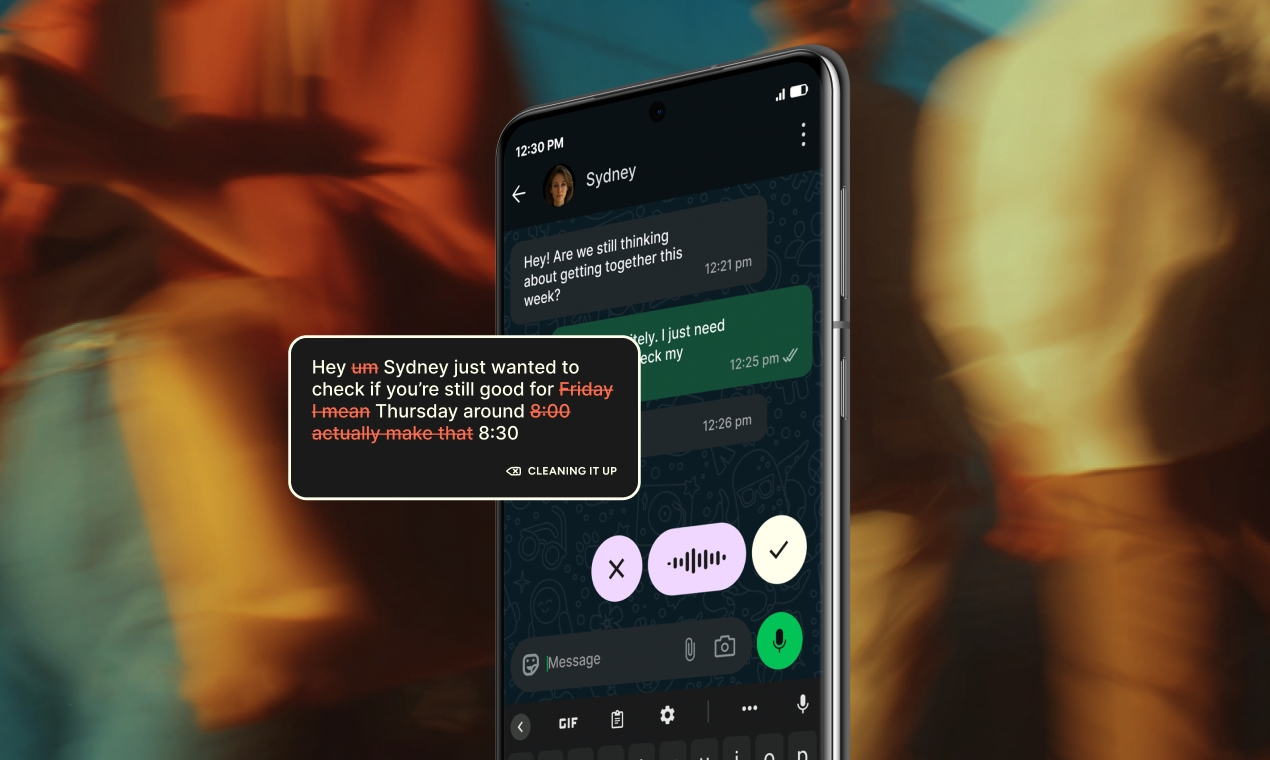
AI dictation startup Wispr has secured $280 million in Series B funding, valuing the company at $2 billion. The round was led by Menlo Ventures, with existing investors including Notable Capital, NEA, Neo Ventures, 8VC, and MVP Ventures doubling their stakes. New participants in the financing include Acrew, Forerunner, Goodwater, Peak XV, Together Fund, and PLUS Capital. The investment brings Wispr’s total capital raised to $361 million, less than 10 months after its previous funding round.
The fresh capital will support Wispr’s expansion beyond its core dictation product into meeting note-taking and new human-computer interaction interfaces. The company is launching a note-taker tool designed to compete with established players such as Granola, Fireflies, and Read AI. While the tool currently provides summaries and action items, the company indicated potential for future integration with other software to automate document creation and email drafting.
Concurrently, Wispr announced the launch of Canto, a new speech understanding model aimed at addressing recent user complaints regarding quality dips in its Wispr Flow dictation output. The company stated that Canto is designed to reduce error rates from 30 per cent to less than 10 per cent. This technical update coincides with increased competition in the dictation space from apps such as Willow, Monolouge, Aqua, and Superwhisper, alongside a growing number of free or lower-priced prosumer tools.
Strategic expansion continues with the scaling of go-to-market teams in India and the U.K., and the release of its dictation app on Android last November. Wispr has also partnered with hardware maker Oasis ring to enable hands-free dictation, allowing users to control devices without speaking loudly. These moves underscore the company’s effort to broaden its hardware and software ecosystem as it seeks to differentiate itself in a crowded market.
Further diversification is being driven by Wispr Interface Labs, led by Ariya Rastrow, formerly of Amazon Alexa. Established last month, the lab aims to explore new interfaces for human-computer interaction. The funding and product launches signal a strategic pivot for Wispr to leverage its speech recognition capabilities across a wider range of applications and interaction models.