Engadget weighs MagSafe against USB-C for MacBook charging
MagSafe offers a safer, simpler charging connection, while USB-C provides greater portability and device compatibility, according to Engadget.
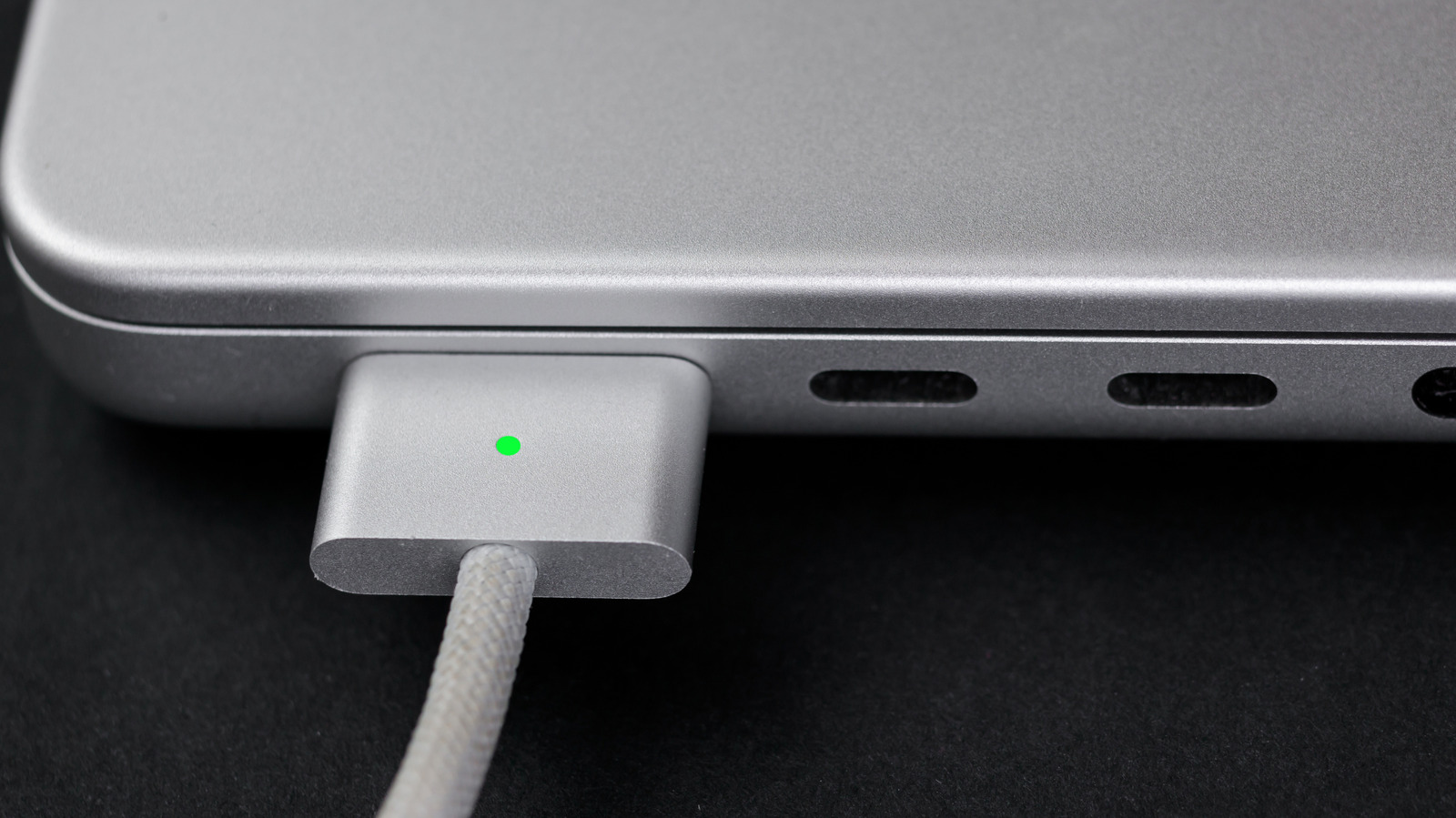
MacBook users can charge their laptops through either Apple’s MagSafe connector or USB-C, with the choice depending on available equipment and charging requirements. The two systems cannot be used simultaneously.
Engadget’s comparison finds MagSafe preferable in most cases. Its magnetic connection is designed to detach when sharply pulled, reducing the risk of dragging a MacBook from a surface if someone catches the cable.
MagSafe 3 can support charging at up to 140W on some MacBook models when paired with a compatible power adaptor. Under specified conditions, that setup can deliver a 50 per cent charge in 30 minutes. Charging performance varies by model, cable and adaptor.
USB-C uses a conventional cable connection and may pull the MacBook if the cable is yanked. Its advantage is versatility: one USB-C cable and charger can power a MacBook, iPhone, iPad and other compatible devices, making it more convenient for travel.
Some MacBook Pro models released after November 2023 can support USB-C charging at up to 240W with suitable cables and adaptors. Those figures are maximum capacities rather than universal charging rates.
MacBook MagSafe is a proprietary connector distinct from the iPhone’s Qi-based MagSafe system. Different MacBook MagSafe generations also vary in size and power capacity and are not cross-compatible. Engadget’s conclusion is that keeping both cable types available offers the greatest flexibility.