Ethernet Cable Length Matters Most at Higher Network Speeds
Cable category, installation quality and equipment can determine whether an Ethernet connection maintains its rated speed over longer runs.
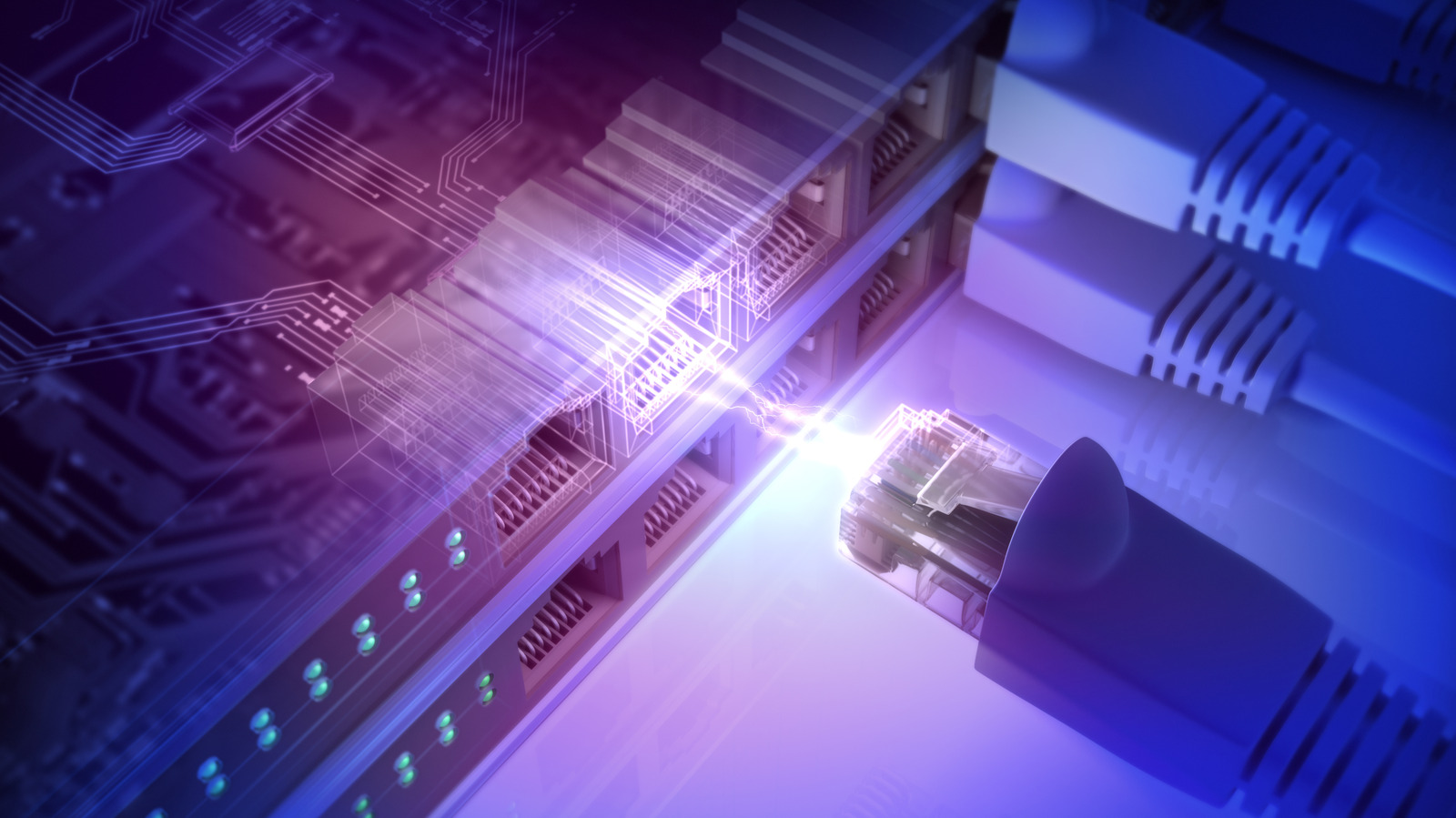
Ethernet connections can generally maintain their rated speeds over copper runs of up to 328 feet, or 100 metres, according to Engadget. That figure is a standards-based limit rather than an absolute failure point, with performance affected by cable quality, interference, installation and network equipment.
The 100-metre allowance includes the permanent cable run and patch cables. A typical installation uses about 295 feet of solid-core cable and up to 33 feet of flexible patch cabling. Cat5e and Cat6 can support 1 Gbps Ethernet across the full distance when properly installed.
Cable category becomes more important for connections faster than gigabit Ethernet. Cat6 is specified to support 10 Gbps over about 180 feet, or 55 metres, while Cat6a can support 10 Gbps over the full 328 feet.
Exceeding a rated distance does not necessarily cause a gradual reduction in speed. A longer Cat6 run may still deliver 10 Gbps in favourable conditions, but errors and inconsistent performance can emerge. Cat6a is the more reliable choice for longer 10 Gbps connections.
Runs beyond 328 feet may be divided with an Ethernet switch placed midway, creating two separate copper links. Alternatively, part of the connection can use fibre optic cable with a media converter or fibre-capable switch.
Power over Ethernet introduces an additional constraint. Data may remain viable over a long run even when the connection cannot provide sufficient power to the attached device. Cable selection should therefore account for the network plan, equipment capabilities and PoE requirements.