Wireless Android Auto trades cable-free convenience for battery drain
Wireless Android Auto simplifies navigation, audio and hands-free calls, but can use more battery, generate heat and suffer connectivity issues on longer drives.
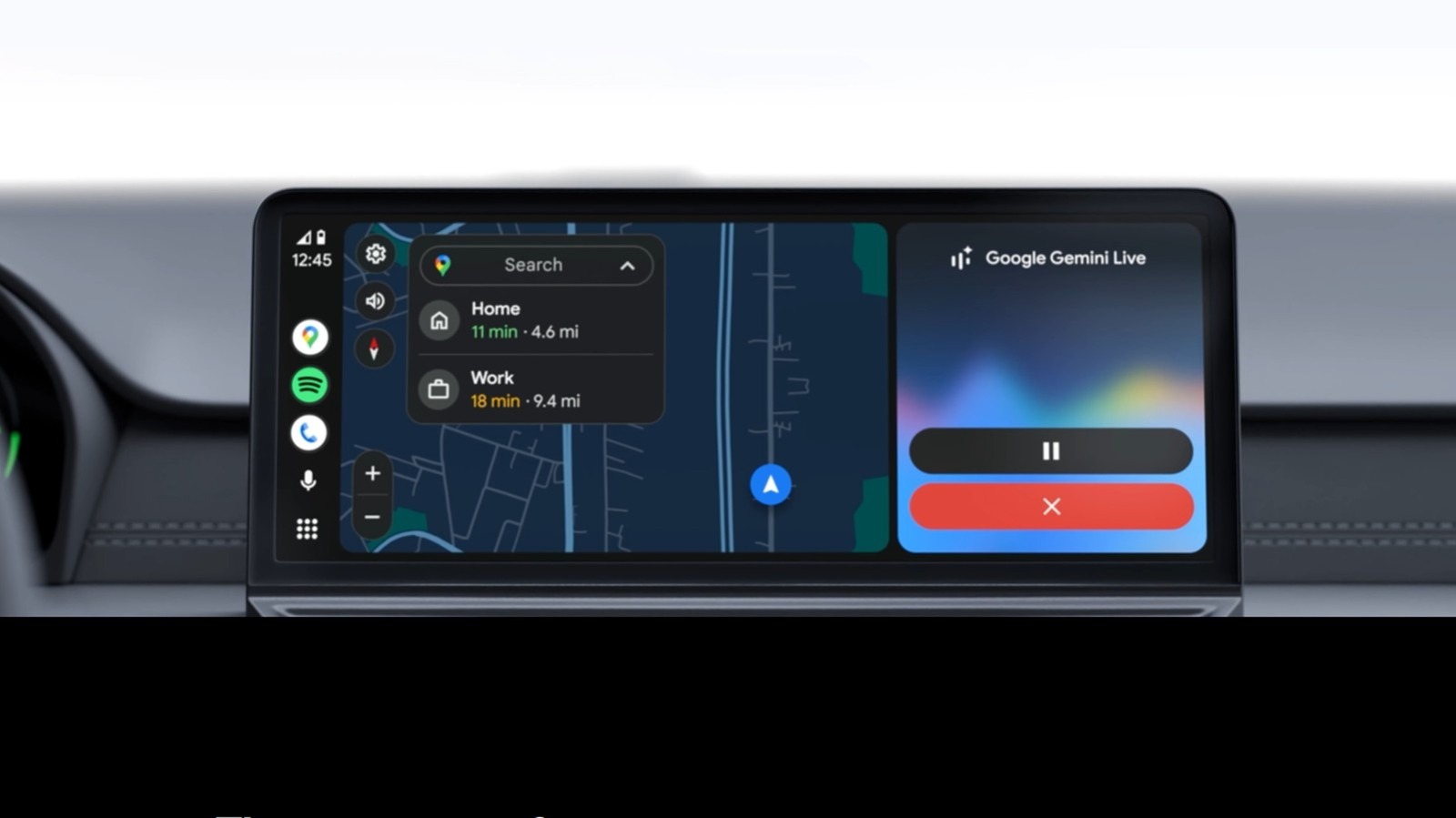
Wireless Android Auto offers drivers cable-free access to maps, music and hands-free communications, with compatible phones connecting automatically after an initial pairing. Engadget’s assessment finds the convenience comes with trade-offs involving battery life, heat and reliability.
The system uses Bluetooth to pair the phone with the car and manage hands-free calling, then shifts data-heavy functions — including navigation, audio, touch input and voice commands — to a Wi-Fi Direct connection. Both connections remain active during the drive.
Compatibility requires a phone running Android 11 or later with 5GHz Wi-Fi Direct support. Newer vehicles may support the feature natively, while older cars can require a wireless Android Auto adapter connected to an existing USB port.
Engadget reports that wireless use can reduce battery life by approximately 10 to 15 per cent per hour, particularly when GPS navigation is active. The phone may also become noticeably hotter, with heat-related shutdowns described as a risk in demanding conditions rather than an expected outcome for all users.
Wired Android Auto remains the stronger option for reliability and sustained use, according to Engadget. A USB connection can reduce latency, avoid random disconnections and continuously charge the phone, while wireless Android Auto is better suited to drivers who prioritise convenience, particularly on shorter everyday trips.