Sony’s PSX hybrid PS2 became a costly Japanese console flop
The Japan-only PSX combined a PlayStation 2, digital video recorder, DVD burner, TV tuner and hard drive, but its high price and unclear purpose limited its appeal.
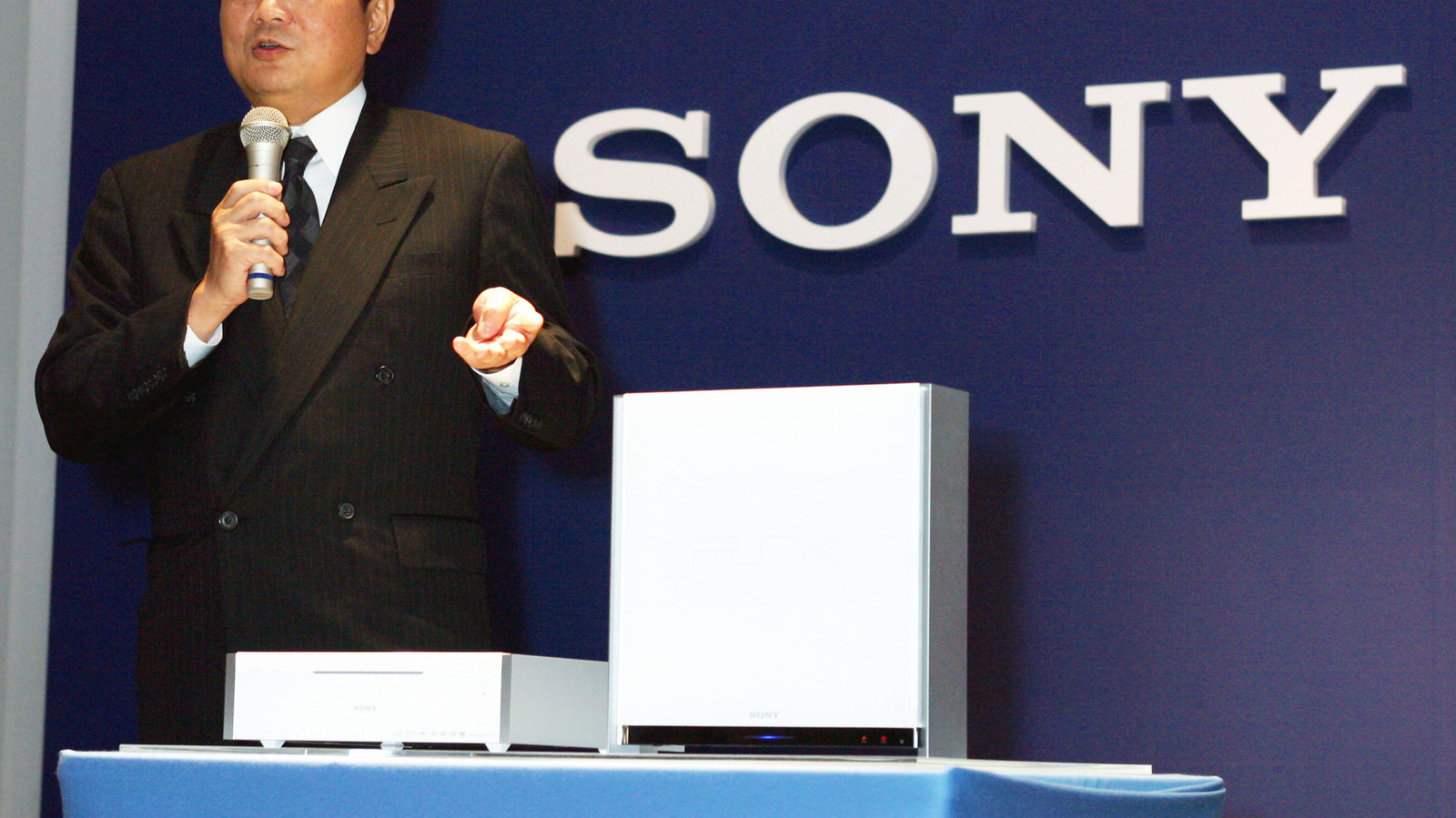
Sony launched the PSX in Japan in December 2003 as an all-in-one entertainment system built around the PlayStation 2. It could play PlayStation 1 and PlayStation 2 games, record television, burn DVDs and, after a later update, connect to broadband services.
The system came with either a 160GB or 250GB hard drive and introduced Sony’s XrossMediaBar interface, which was later used on the PlayStation 3. Sony promoted the machine under its own brand, positioning it more as a digital video recorder and entertainment player than a conventional PlayStation console.
The PSX reportedly sold about 100,000 units in its launch week, but sales soon slowed, including after an updated model was released in 2004. Sony did not publish dependable lifetime sales figures, although Japanese reports suggested several hundred thousand units had shipped by March 2004.
Price was a major obstacle. The 160GB model cost ¥79,800 and the 250GB version ¥99,800, while the standard PS2 had fallen to about ¥19,800 in Japan shortly before the PSX launched. Its combination of gaming, recording and DVD functions also proved difficult to market to a clearly defined customer.
Engadget cited a 2004 GameSpot report saying internal development conflicts may have hindered the system, with an unnamed source close to Sony describing an unrealistic development process. Japanese broadcasting requirements also made an overseas version more difficult, as Sony would have needed to coordinate with regulators in other markets.
Sony phased out the PSX in early 2005, and the system never launched outside Japan. Its brief commercial life contrasted sharply with the original PlayStation, which sold about 102 million units worldwide.