WIRED Review: CookUnity’s Chef Collective Model Delivers Restaurant-Quality Meals at $13 a Plate
A 2026 assessment by WIRED highlights how CookUnity’s reliance on local and national chefs, rather than corporate kitchens, creates a competitive environment that elevates taste, though consistency remains tied to specific commissary locations.
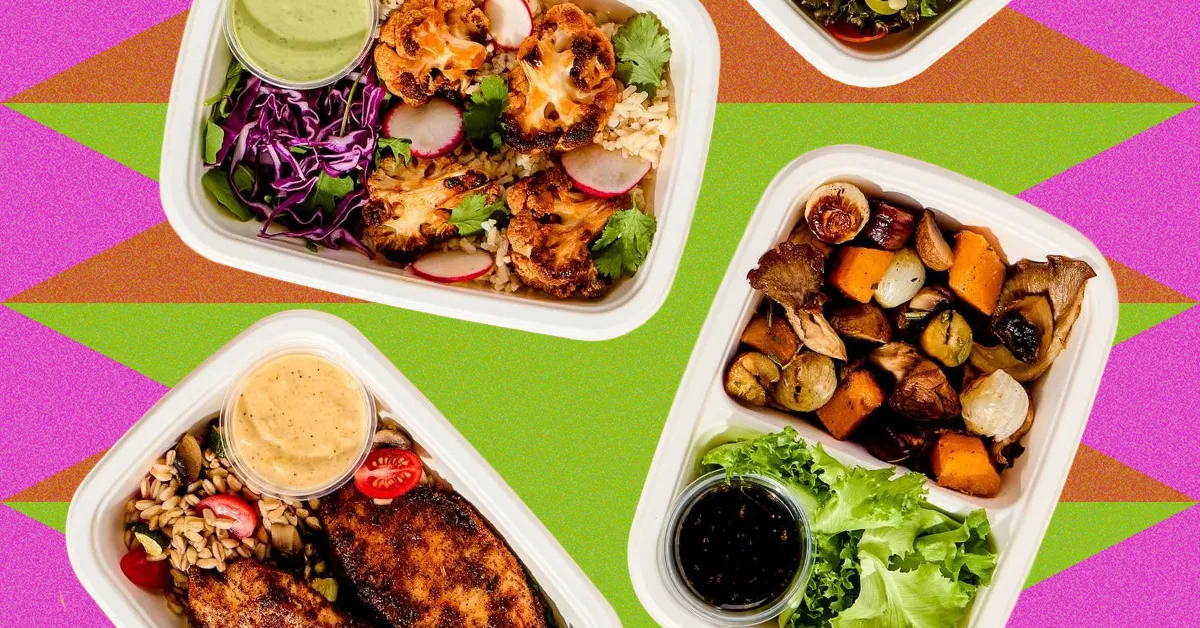
A recent review by WIRED has positioned CookUnity as a standout in the prepared meal delivery sector, describing the service as a "chef collective" that operates through eight regional commissary hubs in the United States and Canada. Priced at approximately $12 to $13 per meal on common plans, the service allows subscribers to select dishes designed by local and national restaurant chefs, distinguishing itself from traditional corporate kitchen models.
The service operates via a subscription model where users choose single-serve meals delivered in cold-packed boxes. CookUnity sources ingredients and handles logistics, while chefs design recipes and manage teams within shared regional kitchens. This structure places chefs in direct competition, with their names and faces displayed on packaging to protect their reputations, creating incentives for high-quality output.
Meal quality and variety vary significantly by region due to this hub-based model. The Seattle hub, for instance, offers over 200 dishes weekly from a dozen chefs. The reviewer praised the offerings from this region, particularly the Indian gravies from Seattle-based chef Gaurav Raj, noting they rival restaurant takeout and offer better value than local alternatives. Other hubs feature different selections, including chefs such as Kevin Meehan, Jose Garces, and Esther Choi.
CookUnity utilises modified atmosphere packaging, allowing meals to be stored at fridge temperatures for four to seven days. The review highlights a shift away from microwave reliance, with the service recommending chef-specific heating methods such as air frying, toaster ovens, or sautéing for optimal results. This approach aims to replicate the texture and flavour profiles of fresh restaurant cooking.
Despite the high praise, the review notes inconsistencies in quality. A chicken adobo from Los Angeles chef Stacy Baraeng was cited as having tough meat, indicating variability even among national chefs. Furthermore, the service is limited to eight hubs—Seattle, Los Angeles, Austin, Chicago, New York, Atlanta, Miami, and Toronto—leaving out most of West Virginia and the Plains states.