WIRED outlines sustainable packing strategies to cut travel’s environmental footprint
From reef-safe sunscreens to organic fibres, the publication details 13 measures to reduce waste and chemical exposure while on the move.
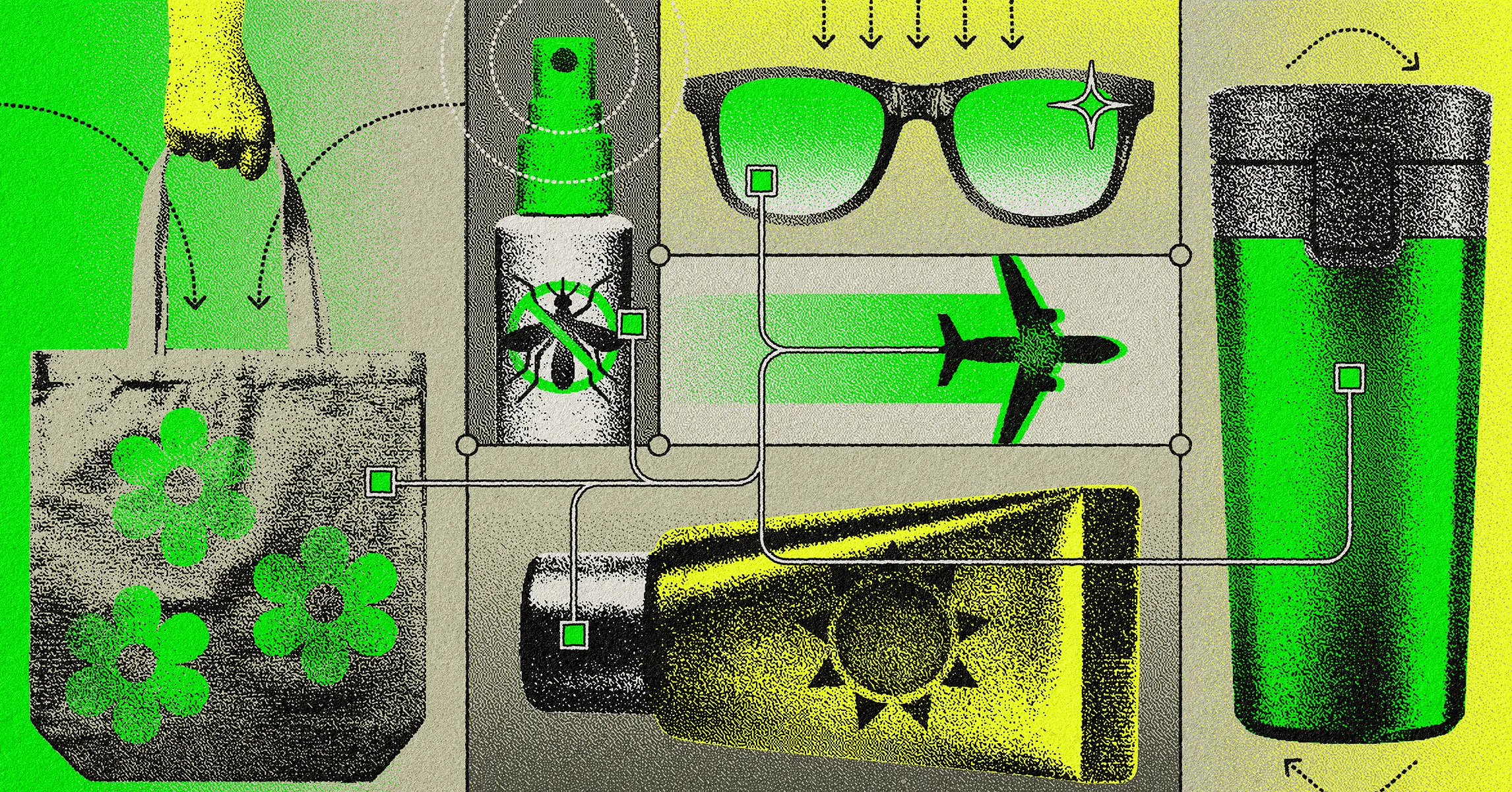
WIRED has published a guide detailing 13 strategies for reducing the environmental impact of travel through sustainable packing choices. The article advocates for replacing single-use toiletries with reusable containers or solid bars, and selecting mineral or bemotrizinol-based sunscreens to protect coral reefs, noting that chemical ingredients like oxybenzone are harmful. It recommends natural insect repellents, such as undecanone, over DEET, and advises avoiding per- and polyfluoroalkyl substances (PFAS) in textiles, referencing recent bans in New York and California.
The guide encourages choosing organic natural fibres over petroleum-based synthetics like polyester to reduce microplastic pollution, and suggests practical measures such as carrying reusable cutlery and avoiding online clothing returns to minimise waste. Experts cited include Marty Mulvihill from the Berkeley Center for Green Chemistry and Anna Sacks, a waste expert known as "Trash Walker".
Regarding sun protection, the article highlights that mineral sunscreens are the only reef-safe options in the US, citing harm from chemical ingredients like oxybenzone and octinoxate. It also notes bemotrizinol, approved outside the US, as a potentially safer alternative, though the US FDA is considering its approval. For insect repellent, the piece suggests avoiding DEET due to health and environmental concerns, recommending natural alternatives like oil of lemon eucalyptus or undecanone from the startup Mimikai.
The publication underscores the regulatory shift regarding "forever chemicals", referencing the bans of PFAS in textiles in New York and California. It advises consumers to look for "PFAS-free" labels or consult PFAS Central, a resource maintained by the Green Science Policy Institute. Marty Mulvihill, a managing partner at Safer Made and co-founder of the Berkeley Center for Green Chemistry, emphasises the importance of verifying these labels as brands are not required to disclose all chemical compositions.
On the topic of textiles, the guide warns against petroleum-based synthetics such as polyester, which contributes to microplastic pollution and textile waste. Instead, it recommends organic natural fibres like linen, cotton, and wool. The article also addresses the carbon footprint of online shopping, noting that returned clothing is often landfilled or exported, and advises travellers to research sizes carefully or shop in person to avoid this waste.
Practical tips include carrying reusable mugs, collapsible water bottles, cutlery, and food containers to avoid single-use plastics. Anna Sacks, a waste expert based in New York, suggests repurposing existing items such as single-use cutlery packets or food containers for travel. The guide also recommends using cloth wipes instead of disposables and opting for menstrual cups or PFAS-free period underwear to further reduce waste.
While acknowledging that these measures will not cancel out the carbon footprint of air travel, the article concludes that advance planning and mindful packing can significantly reduce the negative impact of tourism. The recommendations aim to help travellers make more environmentally conscious decisions from the moment they begin packing for their next vacation.