Biological computing gains traction as organoids replace silicon in drug trials
From Melbourne’s Cortical Labs to Johns Hopkins University, scientists are leveraging living neural tissue to bypass the high failure rates of animal testing and explore new frontiers in artificial intelligence.
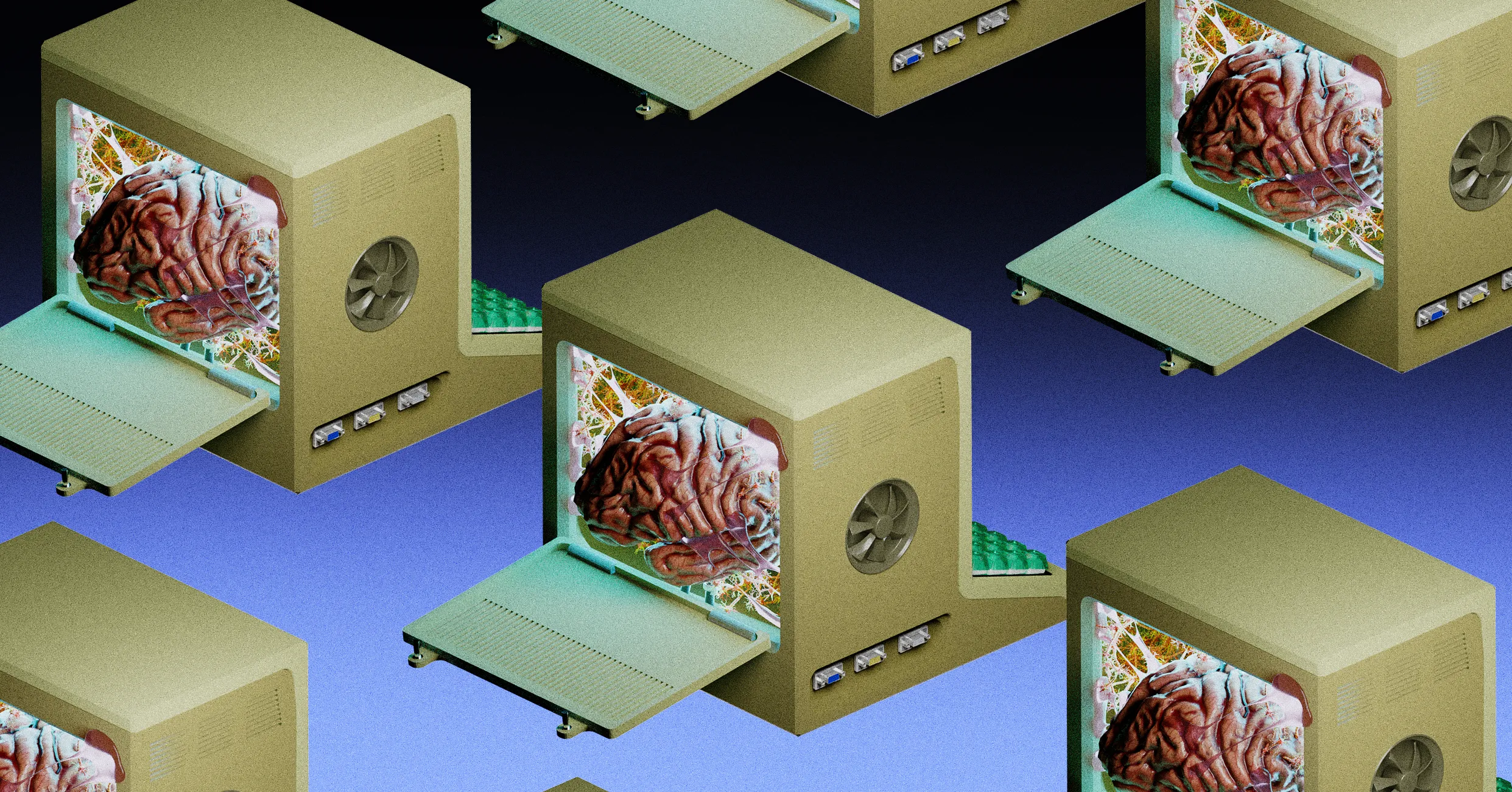
Scientists across the United States and Australia are cultivating human brain organoids to develop biocomputing systems and improve drug testing. At the University of California San Diego, researchers led by Alysson Muotri are using organoids to study autism and neural connectivity. In Melbourne, the startup Cortical Labs is training neural cultures to play video games like Pong and Doom, aiming to create energy-efficient biological computers. Meanwhile, at Johns Hopkins University, scientists are using organoids to screen for neuropsychiatric drugs, seeking alternatives to animal testing.
The shift towards biological substrates is driven by the limitations of current computational models and the high failure rate of neuropsychiatric drug trials, which stand at approximately 95 per cent in human clinical settings. Thomas Hartung and Lena Smirnova at Johns Hopkins have published a declaration for a field they named organoid intelligence, arguing that living neurons offer self-repairing and adaptable properties that silicon-based systems lack. Hartung notes that while organoid intelligence remains a long-term goal, the immediate practical application lies in drug development, where organoids can produce thousands of test subjects in a single plate compared to the limited numbers possible with animal models.
Cortical Labs is positioning its CL-1 system, described as a biological computer, to provide neurons as a service with sub-millisecond delay. Brett Kagan, the company’s chief operating officer, claims the CL-1 could become the Nvidia of neural computing, offering hardware that is inherently energy-efficient and resilient. The company previously demonstrated that neurons could be trained to play Pong by rewarding correct decisions with electrical pulses, a proof of concept for programming living matter. Although the company faced criticism for claiming sentience in its 2022 paper, researchers argue that the game environment provides necessary feedback loops for the neurons to learn and adapt.
Regulatory support for this transition has strengthened, with the National Institutes of Health announcing in July 2025 that it will no longer fund research relying exclusively on animal testing. In September 2025, the agency announced an $87 million investment in a Standardized Organoid Modeling Center. This policy shift encourages the adoption of new approach models, such as organoids, which are derived from induced pluripotent stem cells and do not attract the same ethical objections as embryonic stem cell research or animal experimentation.
Despite the technological advancements, challenges remain regarding the physical limitations of organoids, which typically reach a maximum size of 5 millimetres due to the lack of a vascular system. David Gracias at Johns Hopkins is developing biomimetic artificial arteries to overcome this size constraint, aiming to create organoids the size of a mouse brain. While the philosophical debate over consciousness continues, most researchers in the field view it as a distraction from the practical applications of studying neural development and testing pharmaceuticals in a human-relevant context.