Gene-edited crops face investment headwinds despite regulatory optimism
While major players like Bayer and Corteva project widespread adoption of edited genes within a decade, the sector contends with a 70 per cent drop in ag-tech funding and limited product availability.
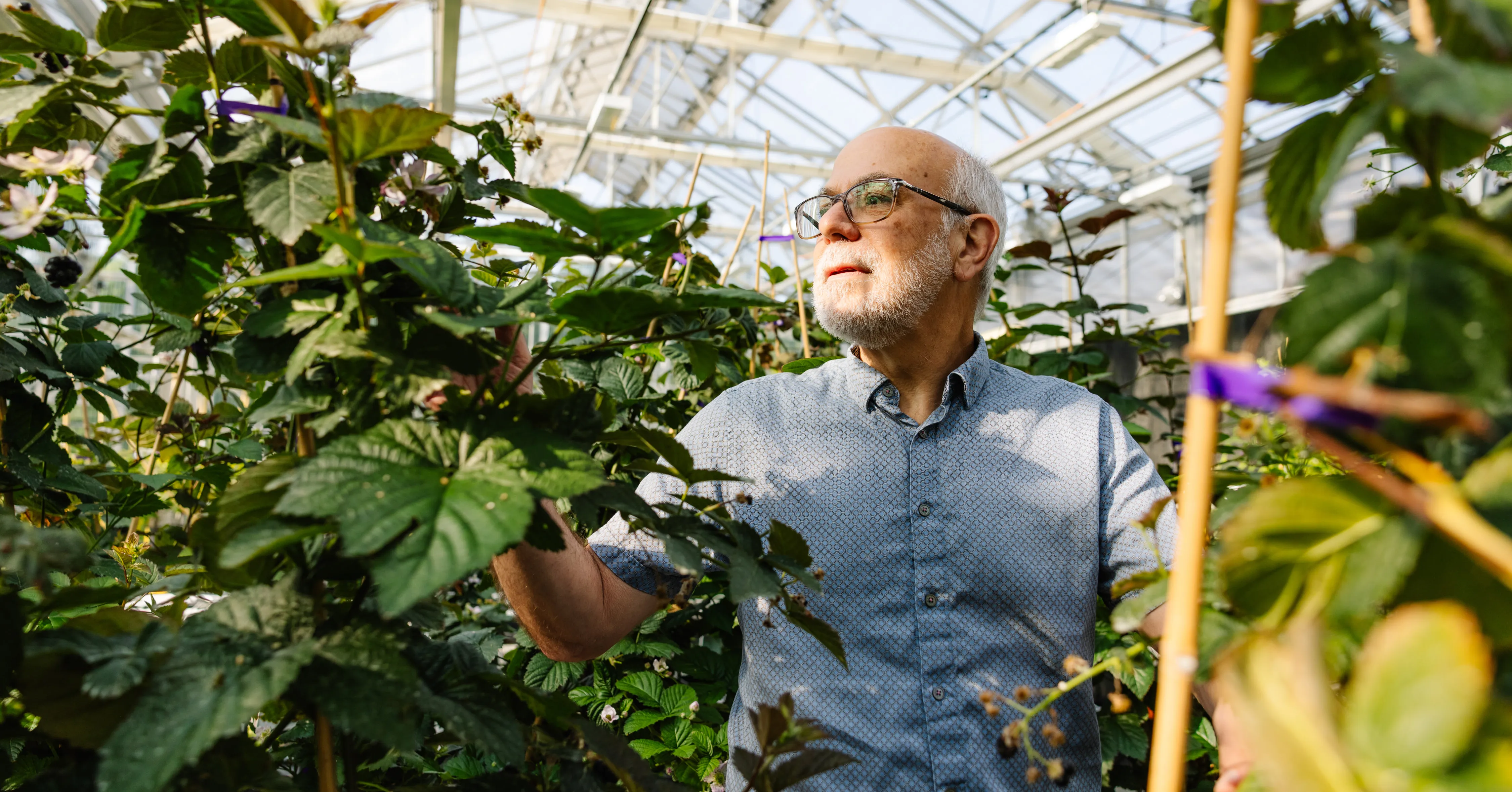
Startups and major agribusinesses are deploying Crispr gene-editing technology to develop crops with enhanced traits, including seedless blackberries and bush-grown cherries, to boost yields and climate resilience. Despite securing regulatory approvals in multiple jurisdictions, the commercial market remains constrained by consumer scepticism, a 70 per cent drop in venture capital investment since 2021, and divergent global regulatory frameworks.
North Carolina-based startup Pairwise has received over 50 regulatory approvals for five edited crops in nine countries but currently has only one product for sale: a high-yielding blackberry variety in Colombia. The company launched a less bitter mustard green in the US in 2023 but discontinued it in early 2024 to focus on other crops. Pairwise is now licensing its technology to industry giants such as Bayer, Corteva, Mars, and Sun World, rather than building its own consumer brands.
The funding landscape for the sector has deteriorated sharply. Venture capital investment in ag-tech and food-tech has dropped 70 per cent since peaking in 2021, partly due to competition from AI startups and failures of companies like Beyond Meat and AppHarvest. EcoTech Capital managing director Adam Bergman noted that only about $3 billion in investment has flowed into gene-edited seed startups over the last decade, citing nervousness that the GMO story could repeat itself if regulators or consumers turn against the technology.
Regulatory approaches vary significantly across borders. The EU has moved to treat most gene-edited crops like regular ones, whereas the US FDA regulates edited animals as drugs, requiring their incision after study. This regulatory caution has prompted some researchers to relocate; Alison Van Eenennaam, a UC Davis geneticist, is moving to the University of Queensland in Australia to continue editing livestock with impunity due to restrictions in the US.
Despite these challenges, industry leaders remain optimistic about the technology's long-term potential. Bayer expects every new crop variety to incorporate at least some edited genes within a decade, while Corteva aims to release a corn product with four edited genes by 2030. The technology promises to accelerate breeding cycles by at least 95 per cent compared to conventional methods, offering a potential solution to food security and environmental pressures.