Wilson retirement triggers Hall of Fame debate as CBS Sports analyst
With eligibility for the Pro Football Hall of Fame not arriving until 2031, Russell Wilson’s 14-season tenure presents a complex case for voters, balancing a Super Bowl victory and elite passer rating against a steep performance decline in his final three years.
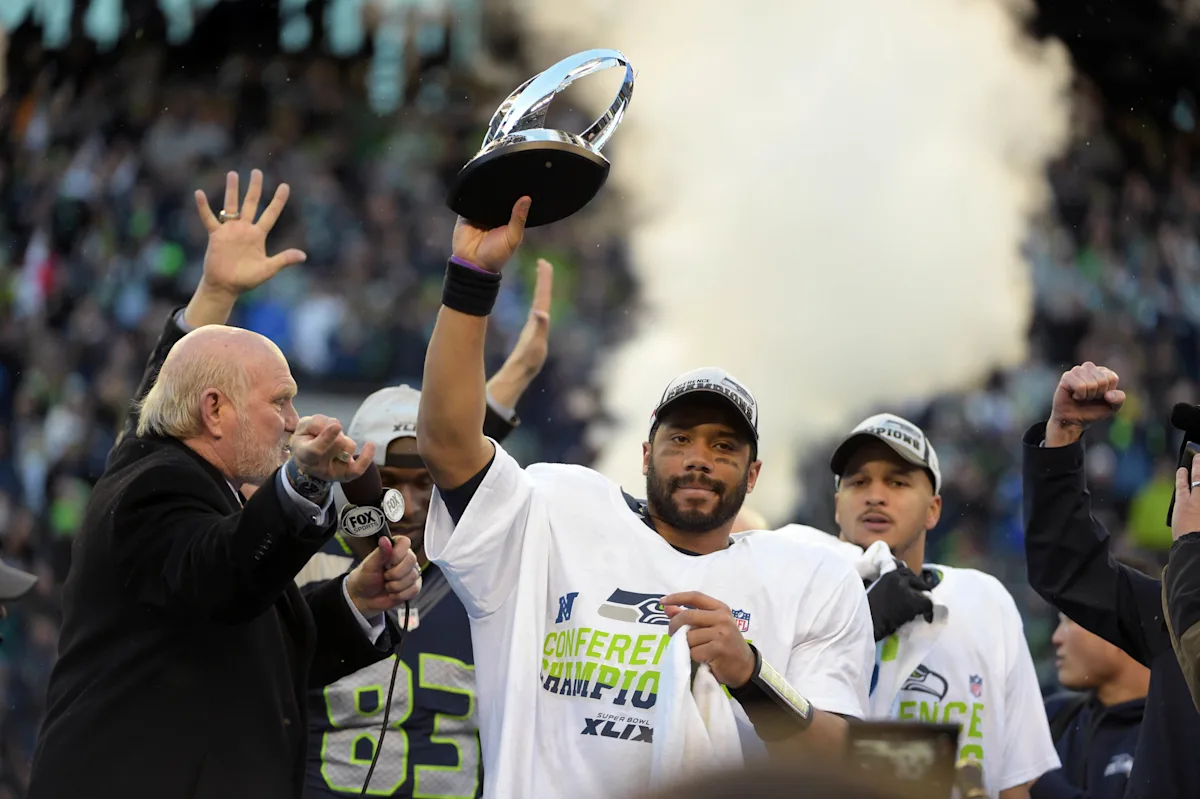
Former NFL quarterback Russell Wilson has officially concluded his playing career after 14 seasons, signing on as an analyst with CBS Sports. The announcement has immediately ignited a polarised debate regarding his future eligibility for the Pro Football Hall of Fame, with opinions sharply divided between those emphasising his peak performance and critics highlighting a significant downturn in his later years.
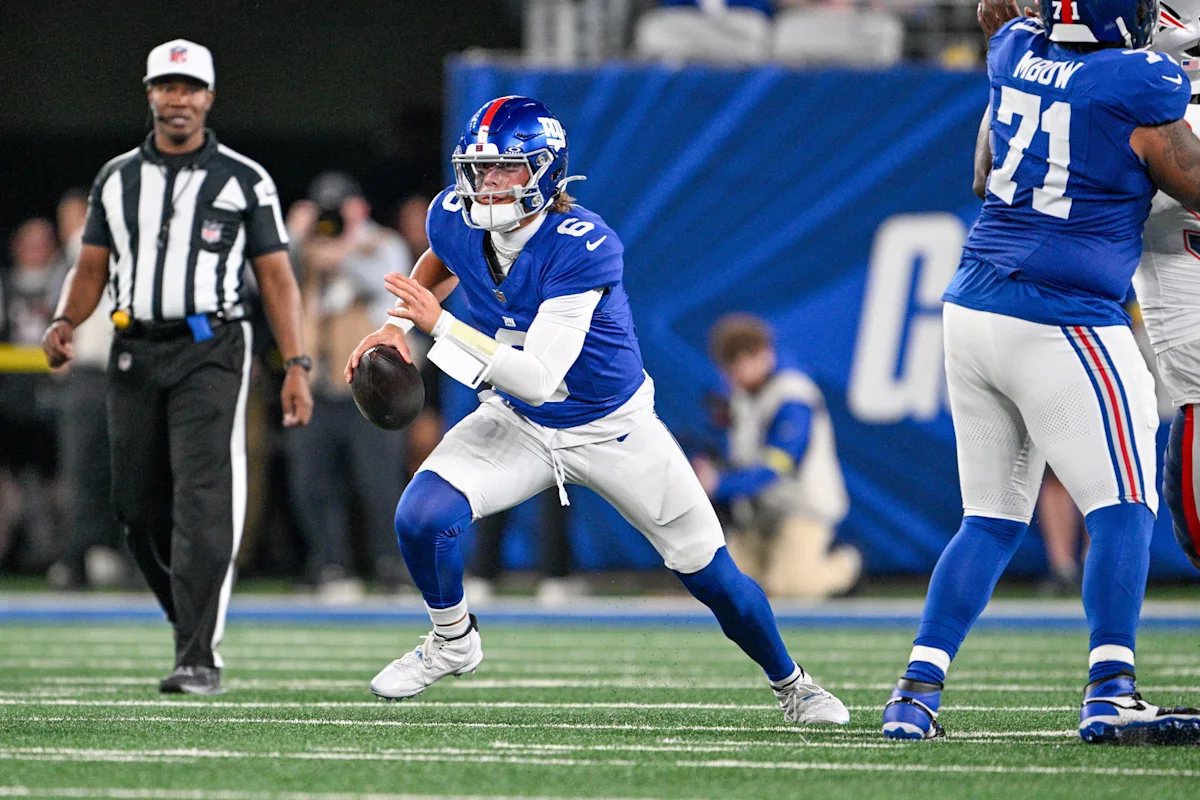
Wilson’s final career statistics present a formidable resume: 46,966 passing yards, 353 passing touchdowns, and a career passer rating of 99.3, which ranked fourth in NFL history at the time of his retirement. He also accumulated more than 5,500 rushing yards and received ten Pro Bowl selections. However, the discourse surrounding his legacy is complicated by his final three seasons with the Denver Broncos and New York Giants, where he experienced a decline in performance and ultimately lost his starting position to a rookie before retiring.
Supporters of Wilson’s induction point to his tenure with the Seattle Seahawks, where he spent ten seasons, won one Super Bowl, appeared in a second, and made nine Pro Bowls. Former quarterback Robert Griffin III was among the first to publicly endorse his status, stating on social media that Wilson is a "HALL OF FAMER FOR SURE." Proponents argue that his dual-threat capability and high-level consistency during his prime warrant enshrinement.
Conversely, critics argue that Wilson falls short of the standards required for the Hall of Fame. Former Pro Bowl receiver T.J. Houshmandzadeh suggested that a player must have been a top-five quarterback for at least five years to warrant a gold jacket, a benchmark he believes Wilson failed to meet after leaving Seattle. The narrative of Wilson’s career ending as a backup to a first-year player remains a significant hurdle for voters who weigh context and peak performance heavily.
The debate is further complicated by the crowded field of contemporaries and future inductees. Wilson’s case must be weighed against quarterbacks such as Matthew Stafford, Matt Ryan, Ben Roethlisberger, Philip Rivers, and Eli Manning, all of whom possess strong arguments for induction based on championships, MVP awards, or statistical durability. Additionally, certain future inductees like Tom Brady, Aaron Rodgers, and Patrick Mahomes are considered locks, while active players such as Josh Allen and Lamar Jackson are building cases that could rival or surpass Wilson’s legacy.
Wilson will become eligible for Hall of Fame induction in 2031, providing a five-year window for the memories of his final seasons in Denver and New York to recede. The Pro Football Hall of Fame has never been a purely statistical exercise, and voters are known to be deliberate in their decisions. While his Seattle legacy remains strong, the combination of his late-career decline and the depth of the quarterback class may result in a longer wait for enshrinement than initially anticipated.