WIIRed review highlights safety risks and AI capabilities in 2026 cat feeder market
An updated assessment of 11 automatic pet feeders reveals that while AI-enabled cameras and thermoelectric cooling offer significant value, several devices pose safety hazards due to unreliable scheduling and unsafe food temperatures.
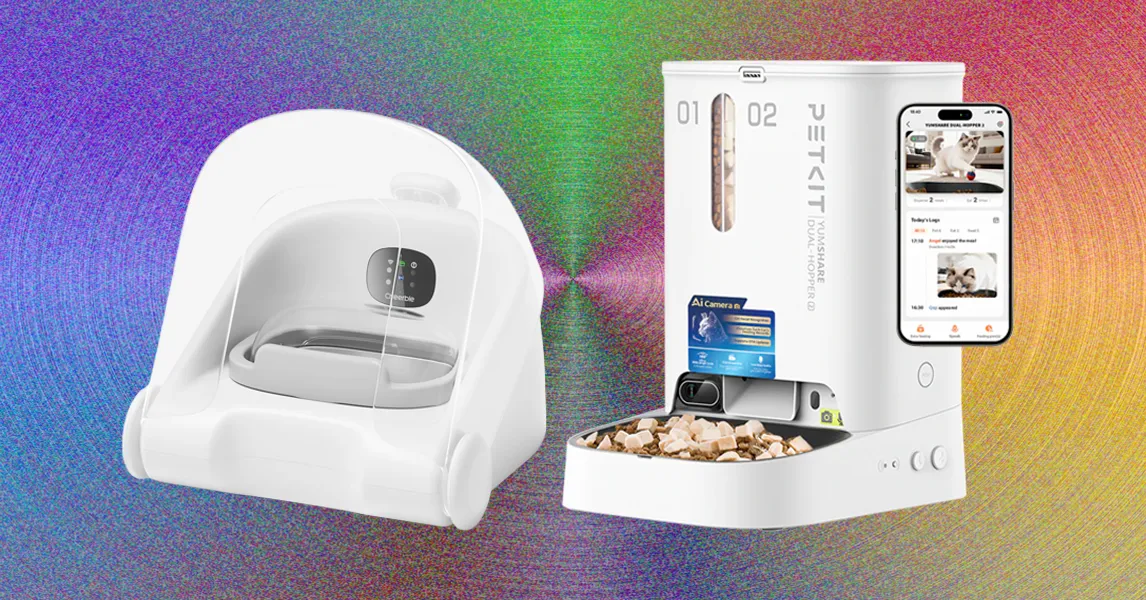
WIRED has published an updated review of 11 automatic cat feeders in May 2026, evaluating both dry and wet food dispensers to determine which models offer the best value for consumers. The publication highlights the Petkit YumShare Dual-Hopper 2 and the Petlibro Polar Smart Wet Feeder as top picks, citing their AI capabilities, app reliability, and food preservation features. The review also notes safety concerns with certain models, such as the Catit Pixi Smart, which was criticised for unsafe food temperatures. While automatic feeders assist with pet health monitoring, the article emphasises they are not a substitute for human care, with cats generally requiring supervision for periods longer than 48 hours.
The Petkit YumShare Dual-Hopper 2 Automatic Feeder With Camera, priced at $170, is identified as the leading choice for dry food. It features an AI-enabled camera that can identify up to 20 pets and log individual eating habits without requiring a subscription plan. The device uses artificial intelligence to analyse remaining food in the bowl and stops dispensing to prevent overfeeding. Although the reviewer noted the Petkit app is less intuitive than competitors, the hardware performance was described as excellent, with the dual-hopper allowing for separate storage of dry kibble and freeze-dried food.
For wet food, the Petlibro Polar Smart Wet Feeder ($170) was named the top pick due to its thermoelectric cooling system, which maintains food at 50 degrees Fahrenheit or below. The device uses numbered bowls to correlate feedings in-app and features a sensor to ensure the lid does not close while a cat is eating. The reviewer praised the hygienic stainless steel bowls for reducing the risk of feline acne and whisker fatigue. Despite being marked as a frequently returned item on some platforms, the model demonstrated high reliability during extended testing.
Several other models faced significant criticism for reliability issues and safety failures. The Catit Pixi Smart Cat Feeder ($140) was described as potentially dangerous due to glitchy scheduling that occasionally skipped meals, alongside unsafe food temperatures. The Oneisall Cordless WiFi Automatic Cat Feeder was deemed unreliable due to persistent app connectivity issues. Additionally, the Closer Pets C500 and Catit Pixi Smart 6-Meal Feeder were criticised for failing to keep wet food at safe temperatures using ice packs, with the latter also suffering from a limited and buggy scheduling application.
The review also addressed design flaws in budget-friendly options. The Oneisall 2-in-1 model was noted for placing food and water compartments in close proximity, which the reviewer advised against due to cross-contamination risks. While automatic feeders can help manage pet health and schedules, WIRED stressed that they are not a substitute for human care. Cats generally require supervision for periods longer than 48 hours, and the technology should be viewed as a tool to support, rather than replace, direct human interaction and enrichment.
