Jury dismisses Elon Musk’s lawsuit against OpenAI on procedural grounds
A US jury has ruled that Elon Musk’s case against OpenAI was time-barred, ending a three-week trial without addressing the substantive claims regarding the company’s governance.

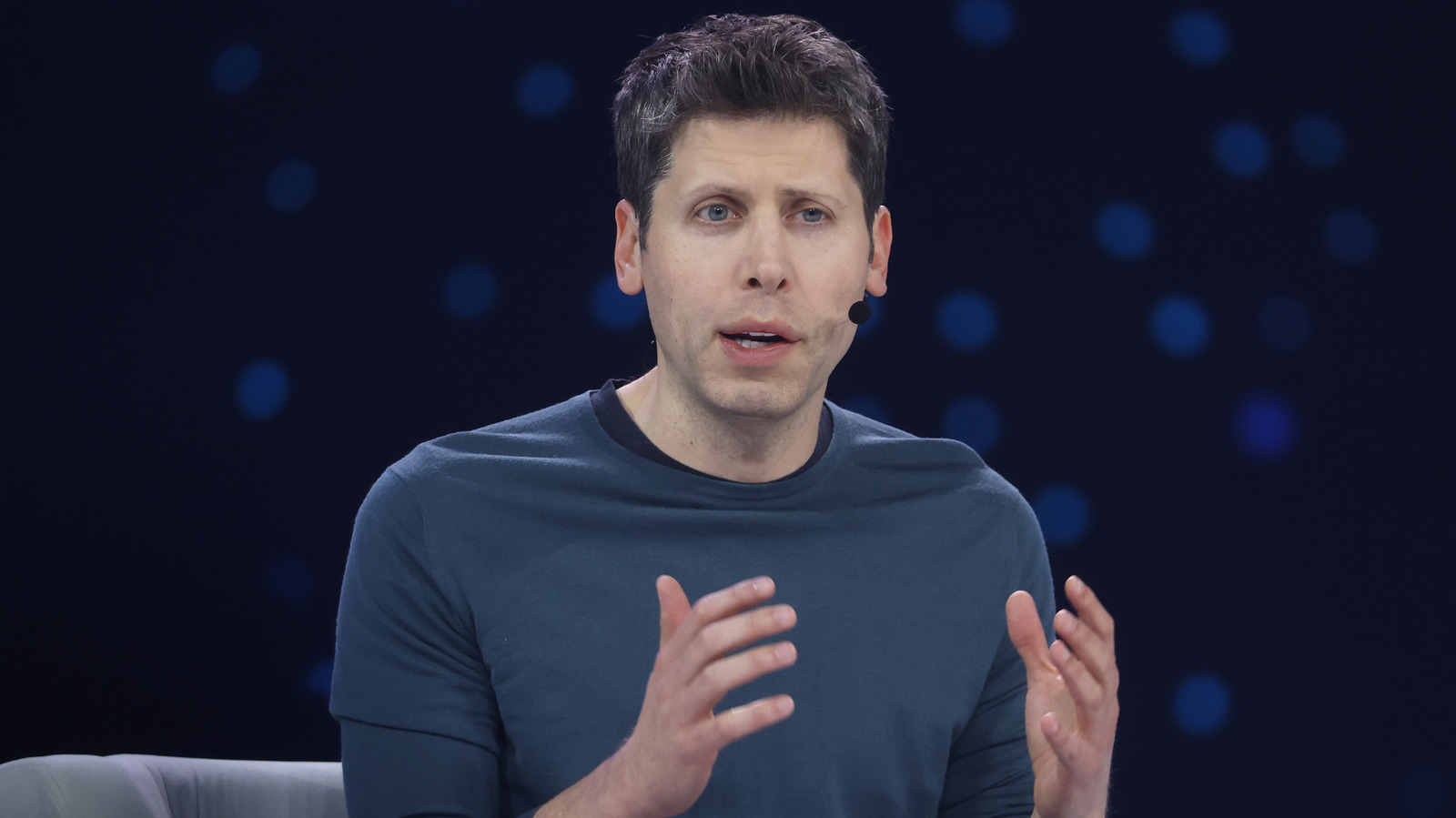
A US jury has dismissed Elon Musk’s lawsuit against OpenAI, ruling that the legal action was time-barred under the statute of limitations. The verdict concludes a three-week trial in which Musk alleged that chief executive Sam Altman and president Greg Brockman breached their promise to maintain the company’s nonprofit status.
The dismissal was based on procedural grounds rather than a determination of the substantive merits of the claims. Consequently, the court did not rule on whether OpenAI had strayed from its founding mission to benefit humanity, nor did it address Musk’s allegations that the leadership manipulated him into contributing $38 million before attaching a for-profit business to the nonprofit structure.
During the trial, testimony revealed significant internal friction within the organisation. Former chief technology officer Mira Murati stated that Altman had falsely claimed legal approval for skipping a safety review. Joshua Achiam, now OpenAI’s chief futurist, testified that Musk’s competition with Google led to an unsafe approach to achieving artificial general intelligence.
Additional revelations included former board member Shivon Zilis disclosing that Musk had attempted to poach Sam Altman. Musk also admitted during proceedings that his own artificial intelligence company, xAI, distills OpenAI’s models. These disclosures formed part of the broader narrative regarding the governance and strategic direction of the AI leader.
Following the verdict, MIT Technology Review is hosting a roundtable discussion to analyse the trial’s behind-the-scenes details and implications for the AI race. The session will feature reporter and attorney Michelle Kim, who covered the trial, in conversation with editor-in-chief Mat Honan. The discussion is scheduled for 19:30 GMT on 19 May.
The outcome leaves the question of OpenAI’s nonprofit status legally unresolved, as the jury rejected Musk’s claims regarding governance solely due to the timing of the filing. The dismissal marks the end of a high-profile legal battle that had drawn global attention to the corporate structure of one of the world’s leading artificial intelligence developers.