Why smart TV standby mode can matter beyond faster start-up
Standby can support software updates and OLED panel maintenance, while using relatively little electricity on many televisions.
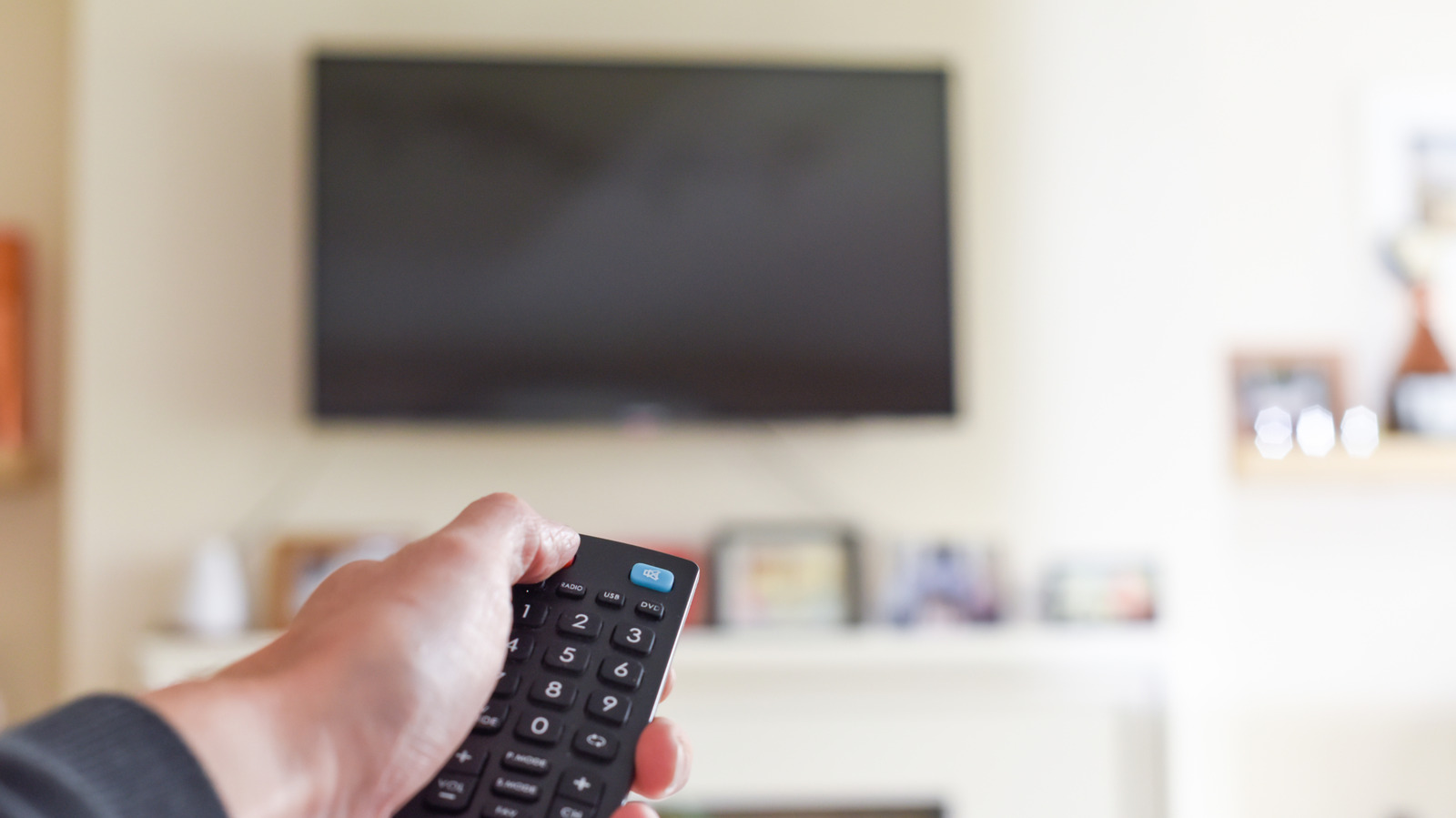
Pressing the power button on a modern smart TV remote often puts the device into standby rather than shutting it down completely. According to Engadget, that mode can shorten start-up times and allow the television to perform background tasks while it is not being watched.
Those tasks may include operating-system and streaming-app updates. Completing them in standby can reduce the chance that viewers will have to wait for an update before watching content.
Standby is also relevant for OLED televisions, which may run automatic compensation or pixel-refresh cycles after use. These processes are intended to reduce image retention and the risk of burn-in by limiting uneven panel wear.
Interrupting those maintenance cycles by repeatedly unplugging an OLED television immediately after viewing could eventually contribute to uneven display wear, Engadget reported. The timing and behaviour of pixel-refresh functions vary by model, so users should follow the manufacturer’s guidance.
Power use in standby is generally low, although it differs between televisions and jurisdictions. Engadget cited the United States’ ENERGY STAR limit of one watt for certified TVs in standby, equivalent to about 9 kilowatt-hours over a year, but that figure should not be treated as universal.
Unplugging may still be sensible during an extended absence. For a persistently sluggish television, Engadget said a reboot can improve responsiveness, but advised users to follow the manufacturer’s instructions rather than abruptly pulling the power cord.