Why Hollywood’s premium IMAX format remains a niche choice for filmmakers
Despite superior visual quality, the high cost and logistical complexity of 65mm IMAX film keep most studios opting for digital production, limiting true IMAX screenings to just 41 theatres worldwide.
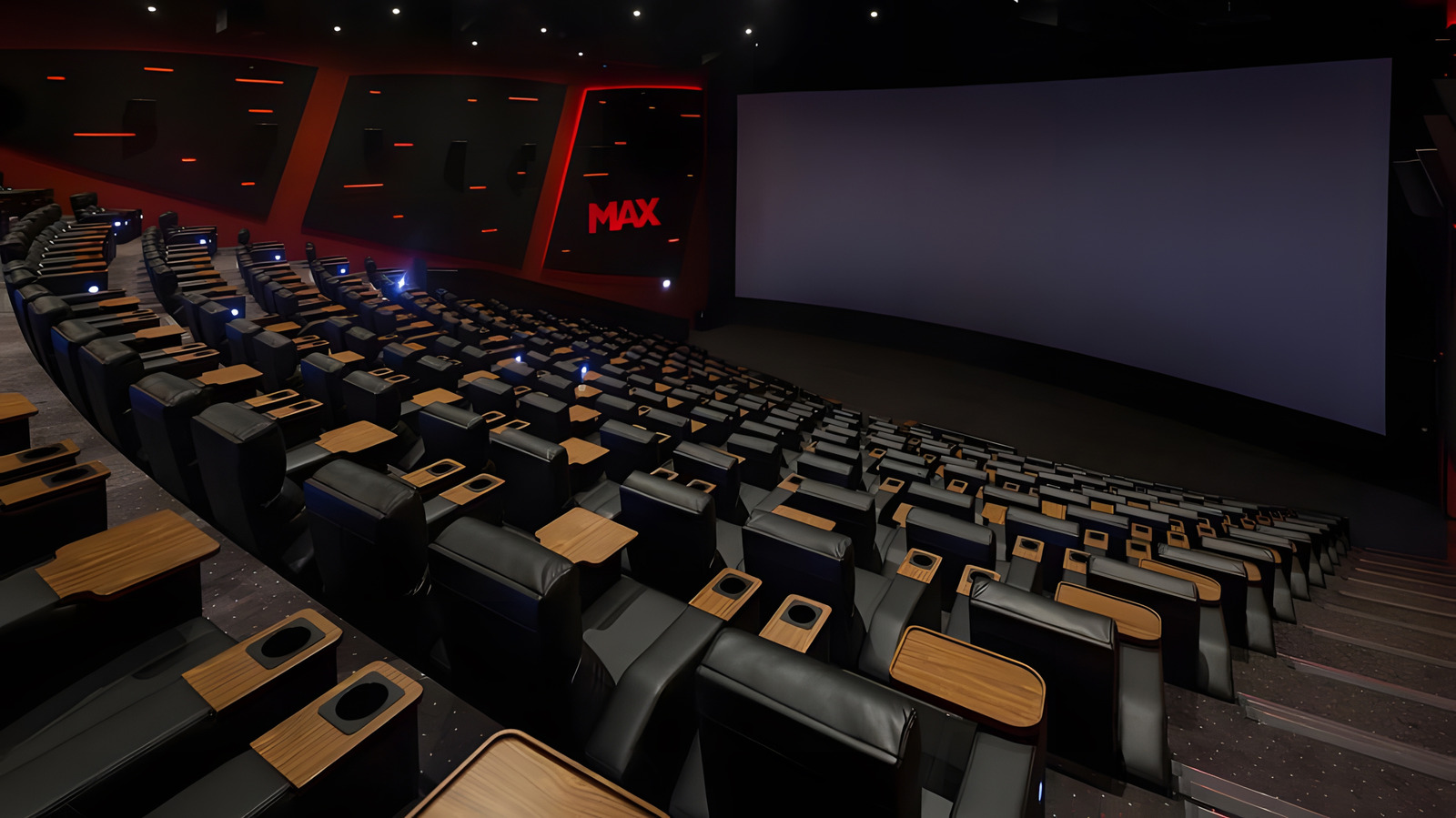
IMAX film production remains a niche choice in Hollywood, primarily due to the significant financial and logistical barriers associated with the format. While the 65mm standard offers superior visual detail and scale, the industry has largely shifted toward digital production for its efficiency and lower costs. This shift leaves true IMAX screenings as a premium experience available in only 41 movie theatres worldwide, a limited reach that makes the format less attractive to studios aiming for broad audience engagement.
The physical demands of shooting on IMAX film contribute to its exclusivity. Modern IMAX cameras are bulky, heavy, and louder than their traditional counterparts, requiring specialist equipment and operators. The 65mm IMAX Keighley camera, used in Christopher Nolan’s recent film The Odyssey, weighs almost 400 pounds. On set, this weight and size make the camera impractical for small spaces or fast-paced action scenes. Additionally, the large 65-70mm film stock holds less footage than traditional 35mm film, necessitating frequent changes that extend production schedules.
These logistical hurdles translate directly into higher production costs. Regular film changes create stoppages that add to the overall budget, a challenge recently highlighted by actor Tom Holland, who initially mistook the three-minute interruptions on the The Odyssey set for a critique of his performance. For most producers, these additional costs and extended timelines are difficult to justify, particularly when the final product can only be viewed in its full quality at a small fraction of global cinema screens.
The industry’s pivot to digital production accelerated in the late 2000s, a period when IMAX was already seen as a cumbersome alternative. The Dark Knight, released in 2008, was the first major Hollywood film to use IMAX for select scenes, but the subsequent Oscar win for Slumdog Millionaire in 2009 marked a turning point. As the first digitally-shot movie to win Best Cinematography, it cemented digital production as the practical standard for the industry, leaving IMAX film as an experimental option for traditionalists like Nolan.
Today, most blockbuster filmmakers rely on IMAX-certified digital cameras, such as the Sony Venice used for Mission Impossible: The Final Reckoning. These cameras capture a larger image area to fill IMAX’s expanded 1.90:1 aspect ratio, allowing films to take advantage of IMAX cinema screens without the cost of physical film. However, this "Filmed for IMAX" approach does not deliver the same level of detail as traditional 15/70 IMAX film, and some films, like Ant-Man and the Wasp, only achieve the required aspect ratio for a portion of their runtime.
Ultimately, the economics of cinema favour digital production. While IMAX film offers the highest quality available, the expense of specialist cameras, film, and post-production means that only a select few films, such as The Odyssey, are shot entirely on the format. For the majority of studios, the ability to distribute films to a wider network of theatres with high-quality digital imagery outweighs the premium visual experience of true IMAX.