Why Bluetooth headsets may be holding back your competitive gaming performance
New analysis suggests that the convenience of Bluetooth audio comes at a significant cost for gamers, with latency figures that can double reaction times compared to wired or 2.4GHz alternatives.
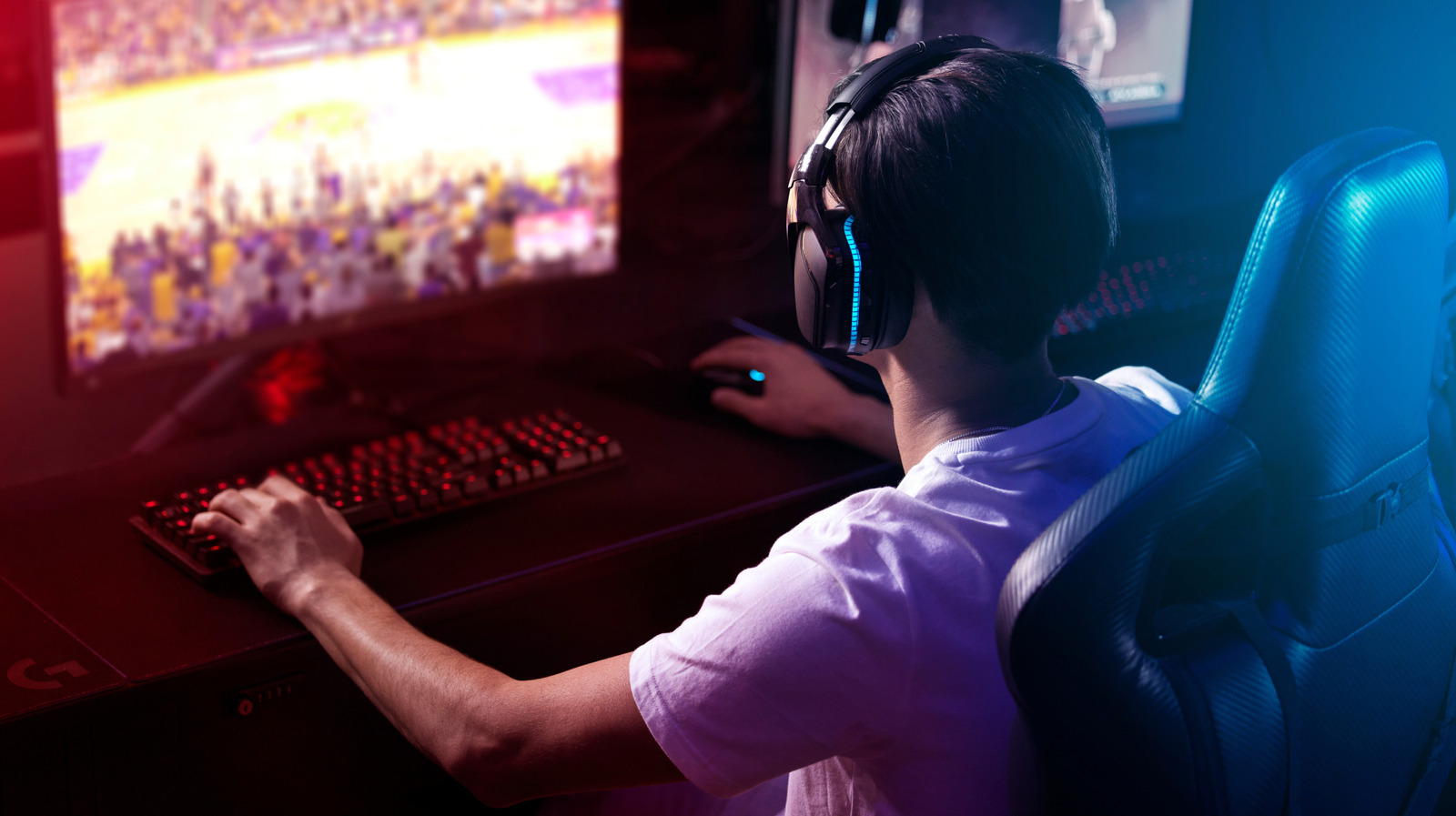
A new report from Engadget argues that while Bluetooth headsets remain the standard for casual listening, calls, and podcasts, they are suboptimal for competitive gaming due to inherent audio latency. The analysis highlights that standard Bluetooth connections introduce approximately 200 milliseconds of delay in real-world scenarios. While this gap is negligible for casual use, it becomes a critical disadvantage in fast-paced titles where milliseconds determine success.
To put this delay into perspective, the average human auditory reaction time is between 170 and 220 milliseconds. Consequently, the latency introduced by Bluetooth can effectively double the time it takes a player to respond to critical audio cues, such as footsteps or gunshots. Engadget notes that while some low-latency Bluetooth codecs can reduce this delay, support for these technologies is inconsistent across different devices and implementations.
A further drawback identified in the report is the degradation of audio quality during voice chat. Activating a Bluetooth microphone forces the connection to switch to a low-bandwidth profile, which severely reduces the fidelity of game sound. This issue is compounded on certain hardware; for instance, the PlayStation 5 does not natively support Bluetooth audio, requiring users to employ workarounds to connect such headsets.
For gamers seeking a balance between convenience and performance, 2.4GHz wireless headsets are presented as a superior alternative. These devices use a dedicated USB dongle to create a stable, low-latency link, typically achieving delays of under 20 milliseconds. For the vast majority of players, this latency is indistinguishable from a wired connection. However, these headsets are generally more expensive than basic wired options and may require specific model compatibility with consoles.
Wired headsets remain the most reliable option for those prioritising raw performance and value. They offer negligible latency, eliminate the risk of wireless dropouts, and remove the need for battery maintenance. Engadget points out that wired models often deliver better sound quality than wireless alternatives at the same price point, making them a cost-effective choice for budget-conscious gamers.
The report concludes that modern console controllers, including the PlayStation 5 DualSense, Xbox pads, and the Switch 2 Pro Controller, all feature built-in 3.5mm jacks for wired audio compatibility. Gamers are advised to treat Bluetooth as a secondary feature for everyday use rather than a primary connection for competitive play, opting instead for wired or 2.4GHz solutions to ensure reliable audio fidelity and reaction times.