Amazon hikes device prices as memory costs squeeze margins
The retail giant has raised prices on Echo, Kindle, and eero products by up to 60 per cent, citing a persistent shortage of memory components that is reshaping the consumer electronics sector.
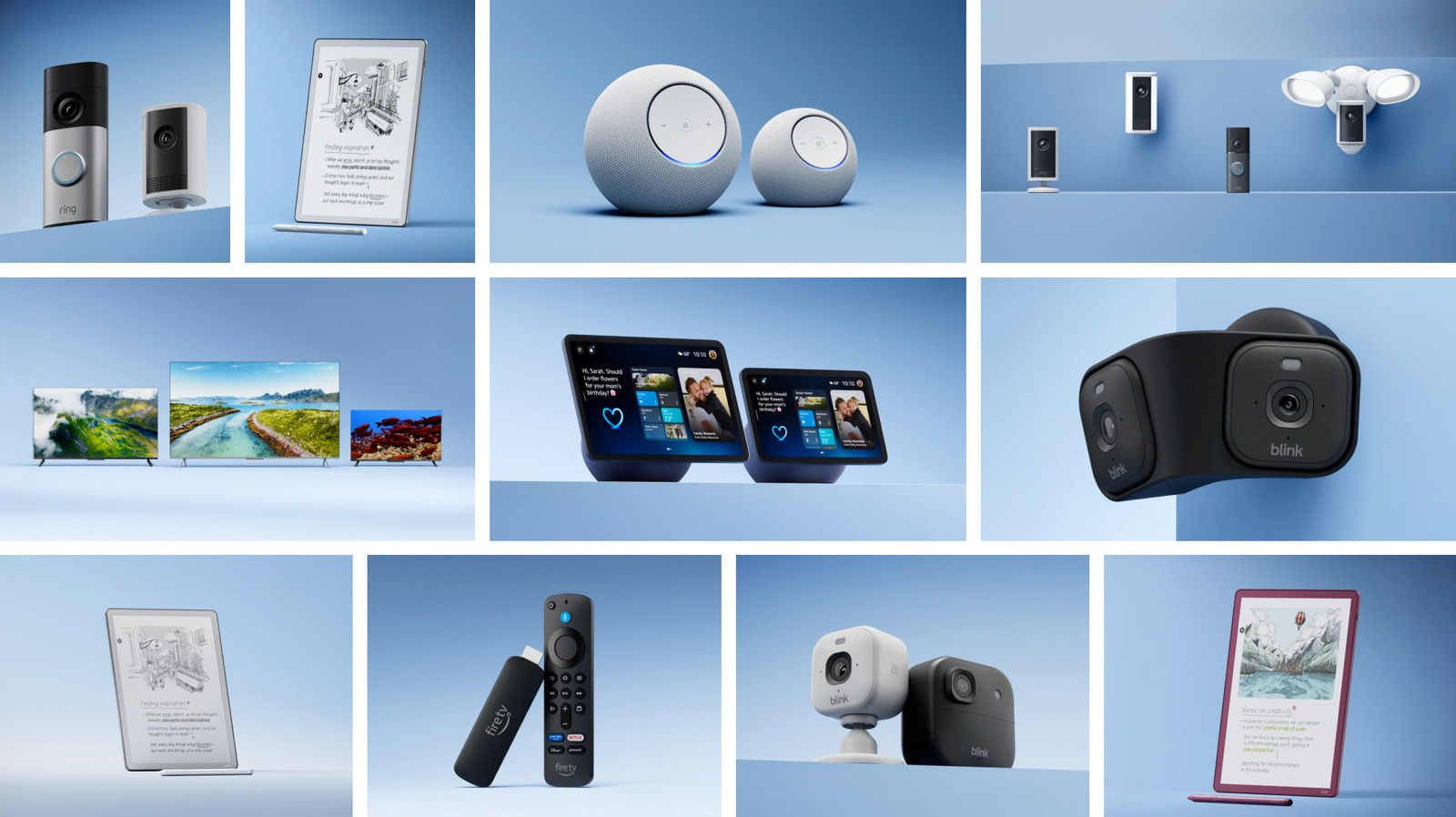
Amazon has quietly implemented significant price increases across its hardware portfolio, with hikes reaching as high as 60 per cent for certain devices. The move affects the company’s Echo, Fire TV, Kindle, and eero product lines, marking the latest major tech firm to pass on rising input costs to consumers. The changes were first identified by Fortune, with an Amazon spokesperson confirming the adjustments to the publication.
The base model Echo Dot has seen the most substantial percentage increase, rising from $50 to $80. Other smart speakers have also faced steep adjustments, including the Echo Show 21, which now costs $500 compared to its previous $400 price tag. In the streaming hardware segment, the Fire TV Stick HD has increased from $35 to $40, while the Fire TV Stick 4K Max has jumped from $60 to $85.
Amazon’s e-reader business is also feeling the pressure, with the 16GB Kindle now priced at $150, up from $110. The 16GB Kindle Paperwhite has increased from $160 to $200. These adjustments reflect broader supply chain pressures that are currently impacting the cost of memory and storage components across the industry.
The company’s mesh Wi-Fi products, eero, have also seen price rises. The eero 7 three-device pack is now $400, an increase from $350, while the eero Pro 7 3-pack has risen from $700 to $800. Notably, Amazon’s Ring security products have avoided these price updates, suggesting the impact is concentrated in devices with higher memory dependencies.
An Amazon spokesperson attributed the changes to "significant increases in memory and storage component costs." The company stated it still aims to provide products at accessible prices and will continue to offer promotions throughout the year. However, the specific duration of these hikes remains unclear, with no indication of when prices might be rolled back if component costs stabilise.
This move follows similar pricing actions by other industry leaders. Apple increased prices on hardware products such as iPads and MacBooks earlier in the summer, while Roku raised device prices by up to $50 in July. The ongoing chip shortage, colloquially referred to as "RAMaggeddon," continues to drive inflation in the consumer electronics market.