WHO recommends Ervebo trials as DRC Ebola outbreak surpasses 4,000 cases
The World Health Organization has urged full-scale human trials of the Ervebo vaccine to test efficacy against the Bundibugyo strain, as the Democratic Republic of the Congo grapples with its largest-ever Ebola crisis.
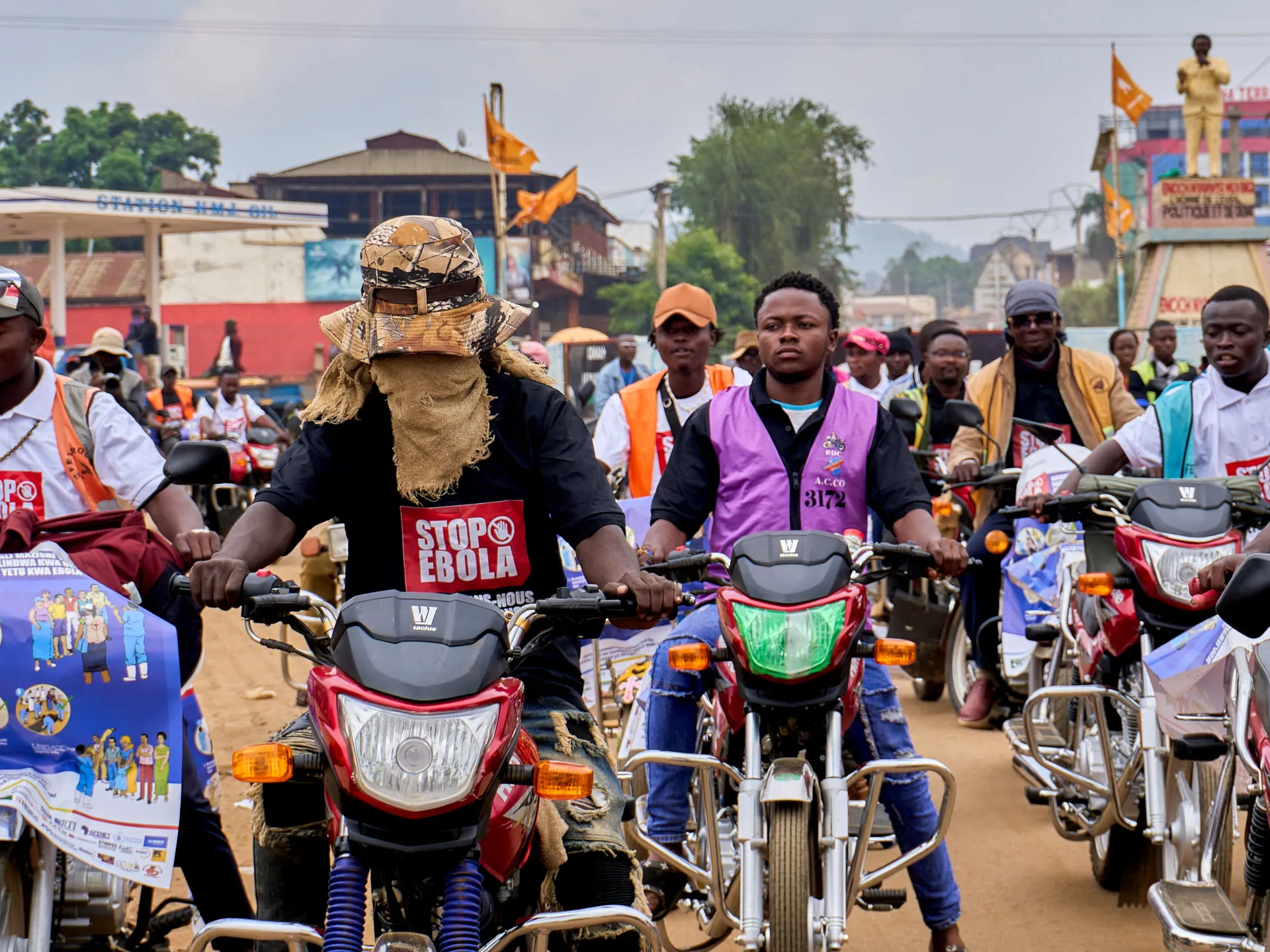
The World Health Organization has recommended full-scale human trials of the Ervebo vaccine to assess its cross-protection against the Bundibugyo strain of Ebola in the Democratic Republic of the Congo. The outbreak, declared in mid-May 2026, has recorded 4,053 cases and 1,850 deaths, marking it as the fastest-spreading on record and the largest in the DRC’s history. While a specific Bundibugyo vaccine is the preferred long-term solution, Gavi confirmed that doses from its stockpile of 500,000 Ervebo vaccines would be made available for these trials.
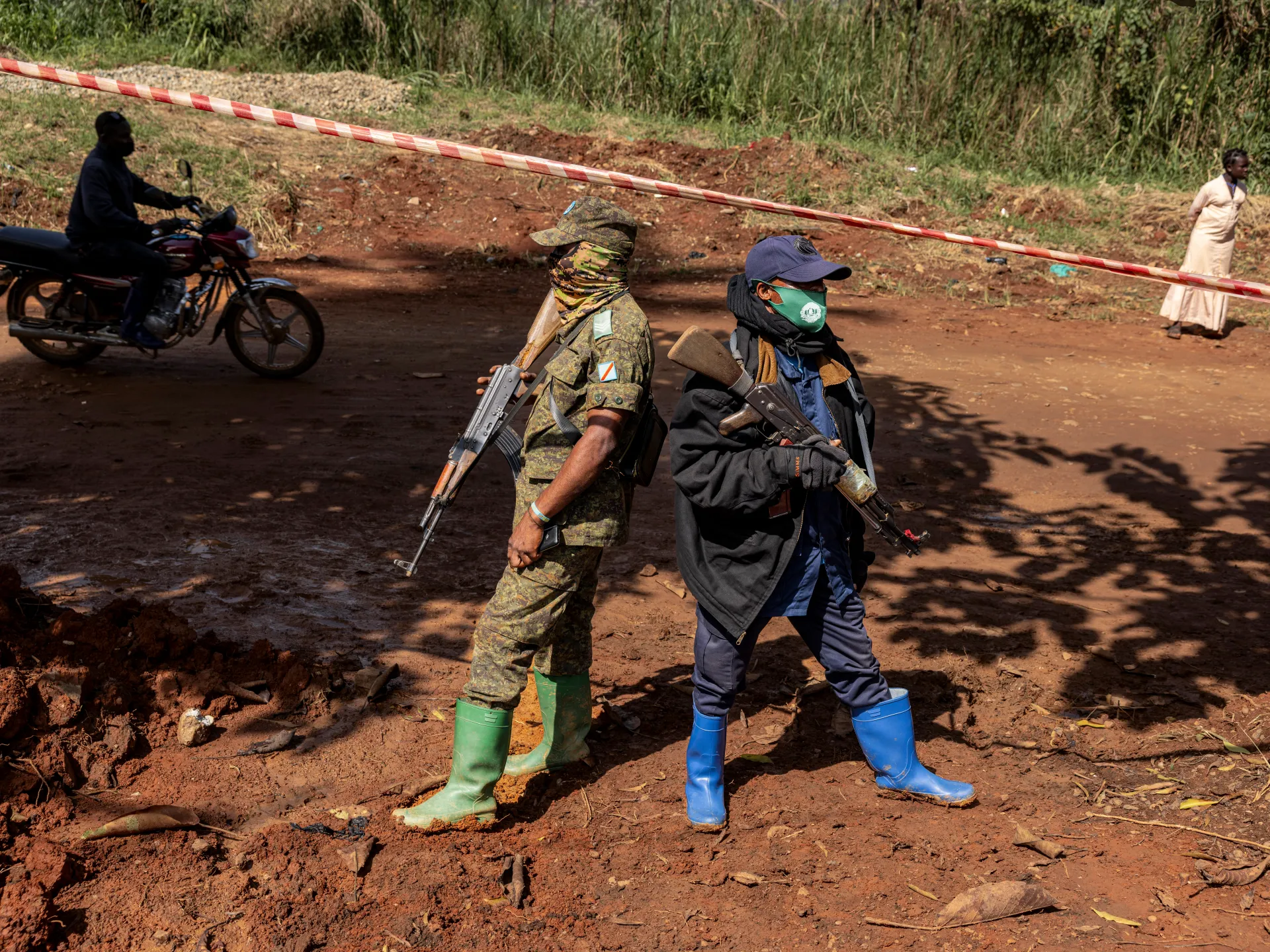
Government data indicates the epidemic has affected 53 health zones across five provinces: Ituri, North Kivu, South Kivu, Haut-Uele, and Tshopo. Eighty-seven percent of cases are concentrated in Ituri province, identified as the epicentre, with 11 per cent in neighbouring North Kivu. Experts warn that the true number of cases may significantly exceed the official tally due to challenges including military conflict, delayed detection, and a lack of readily available treatments.
Ervebo is currently the only licensed Ebola vaccine, proven safe and efficacious against the more common Zaire strain. WHO experts cited early data from animal trials suggesting Ervebo may offer some protection against the rare Bundibugyo strain. Across several studies, three out of four non-human primates vaccinated with Ervebo survived exposure to the virus, compared to one out of four control animals. An unpublished study on ferrets also indicated that a research-grade version of Ervebo provided 100 per cent protection, whereas all control animals died within 10 days.
Despite the recommendation to prioritise Ervebo for a randomised clinical trial, the United Nations’ Technical Advisory Group on Candidate Vaccine Prioritization (TAG-CVP) cautioned that expectations must be managed regarding its likely protective effect. The group noted that while efficacy against symptomatic disease and transmission may not be high, protection against a fatal outcome may be achieved. A specific Bundibugyo vaccine remains the preferred option, with two potential candidates currently in early human clinical trials and a third being developed.
Gavi chief executive Sania Nishtar described the outbreak as potentially the largest ever recorded globally, noting the severe toll on communities and frontline workers. With 500,000 doses held in Gavi’s stockpile, some Ervebo doses have already been deployed in the DRC. The current response faces significant hurdles, including the disease’s transmission through contact with bodily fluids and the historical context of the 2014-2016 West Africa outbreak, which remains the largest on record with over 28,000 cases.