WHO raises Ebola risk to ‘very high’ as DRC outbreak hits 750 cases
The World Health Organization has elevated the national risk level of the Bundibugyo virus outbreak in the Democratic Republic of the Congo to ‘very high’, citing rapid transmission and logistical hurdles exacerbated by recent changes in US foreign aid and health policy.
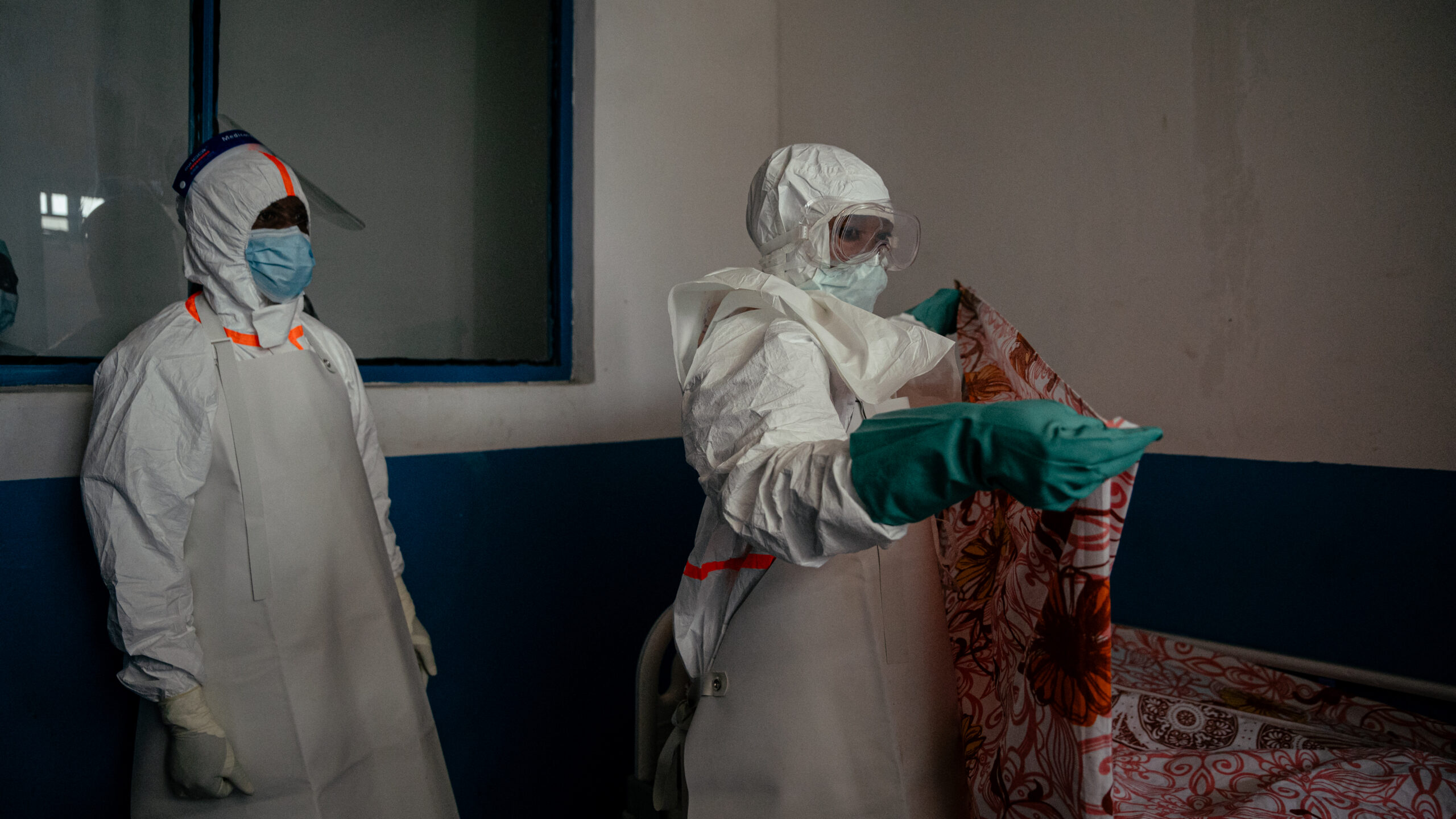
The World Health Organization has raised the risk level of an Ebola outbreak in the Democratic Republic of the Congo to “very high” at the national level, as cases near 750 and deaths reach 177. The outbreak, caused by the Bundibugyo virus, is spreading rapidly in Ituri province, where delayed detection and a lack of vaccines have complicated containment efforts. The crisis has intensified criticism of the US Trump administration’s withdrawal from the WHO and dismantling of USAID, which experts argue has hindered the supply of protective equipment and rapid response capabilities.
WHO Director-General Tedros Adhanom Ghebreyesus confirmed the escalation during a press briefing on Friday, noting that the outbreak is now the third-largest on record despite being reported only a week prior. While the national risk is now “very high”, the regional risk remains “high” and the global risk is assessed as “low”. The virus is centred in Ituri province, specifically originating in Bunia and spreading to Mongwalu, a gold-mining town that has become the epicentre of the crisis.
Containment efforts are severely hampered by the nature of the Bundibugyo virus, which lacks established vaccines or therapeutics. Health workers are forced to rely on contact tracing, isolation, and active case finding. WHO representative Dr. Anne Ancia stated that when officials arrived in the affected areas, they found the virus had been “silently disseminating for a few weeks already”. The earliest known suspected case was identified on 24 April in Bunia, but the WHO only received word of a potential outbreak on 5 May following the deaths of four health workers.
The situation has drawn sharp scrutiny towards the US Trump administration’s withdrawal from the WHO and dismantling of the US Agency for International Development (USAID). Experts argue these actions have hindered rapid response capabilities and supply chains. Craig Spencer, an emergency medicine doctor and Brown University professor, wrote in a New York Times opinion piece that the US has “abdicated its longstanding role as a leader in global health”. He noted that delays in detecting the outbreak were partly due to samples being transported at incorrect temperatures, a task previously managed by USAID.
Megan Fotheringham, former USAID deputy director of infectious diseases, highlighted the immediate impact on frontline workers. She stated that health workers in the DRC lacked personal protective equipment, such as face shields and respirators, for weeks at the start of the outbreak. Fotheringham told the Times that if USAID had continued its work, it could have moved stockpiles of protective equipment within hours, preventing unnecessary infections among care providers.
While the Trump administration stated it is funding up to 50 treatment clinics in affected regions of the DRC and Uganda, Uganda has stated it is unaware of such plans. Two American health workers infected or exposed in the outbreak were treated in Germany and the Czech Republic, respectively, rather than the US. Satish Pillai, incident manager for the CDC’s Ebola response, faced questions regarding these decisions and US travel restrictions during a briefing on Friday.
WHO officials acknowledged the financial strain on global health infrastructure. Maria Van Kerkhove, the agency’s epidemic and pandemic management director, noted that while funding was a challenge, the focus should remain on prevention rather than just response costs. “There’s billions of dollars that are spent on war every single day,” Van Kerkhove said, arguing that steady funding for surveillance and detection is essential to avoid the cycle of panic and neglect that characterises current outbreak responses.
