Russian military satellites alter orbits to shadow Ukraine-linked radar asset
Open-source tracking data reveals at least four Russian satellites have executed complex orbital adjustments to match the trajectory of a Finnish-American surveillance satellite providing imagery to Western governments and Kyiv.
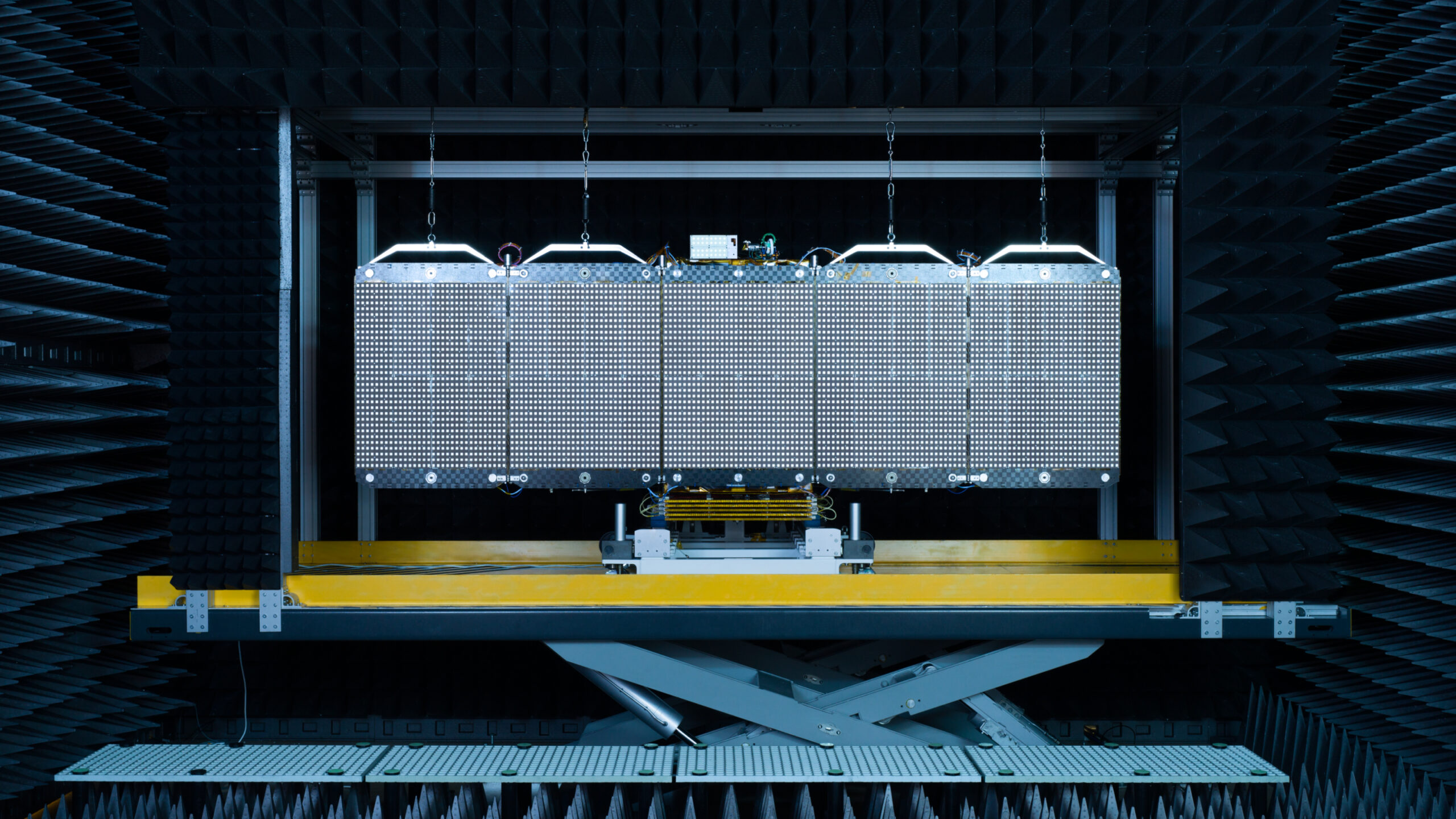
At least four Russian military satellites, designated Kosmos 2610 through 2613, have altered their orbits to match the trajectory of the ICEYE-X36 radar surveillance satellite. The manoeuvres, identified via open-source orbital tracking data, place the Russian craft within 500 metres to 22 kilometres of the Finnish-American satellite, which provides imagery to Ukraine and Western governments.
Greg Gillinger, a retired Air Force space intelligence officer, identified the orbit changes in his Integrity Flash newsletter. The Russian satellites launched together on April 16 from Plesetsk Cosmodrome and have performed fuel-intensive 'plane change' operations to achieve co-planar orbits. These adjustments involve inclination changes of less than a degree, which experts note consume significant fuel, equivalent to the impulse required to raise altitude by over 100 miles.
ICEYE-X36 provides high-resolution synthetic aperture radar imagery to the US military, European governments, and Ukraine’s military. The satellite operates in a polar orbit at an altitude of approximately 340 miles. Unlike optical satellites, radar systems provide imagery day and night, regardless of cloud cover, making them critical for persistent surveillance in contested environments.
A fifth satellite from the same April 16 launch appears to be performing similar manoeuvres to approach ICEYE-X36. Cross-track distances between the Russian satellites and the commercial asset now range from approximately 500 metres to 22 kilometres. Gillinger noted that Russian operators are positioned to close in on the ICEYE satellite with minor adjustments to satellite eccentricity and average altitudes.
Experts suggest the fuel-intensive operations indicate a capability for Rendezvous Proximity Operations, potentially for kinetic or non-kinetic targeting. This mirrors previous Russian behaviour, where military satellites moved into co-planar orbits with National Reconnaissance Office spy satellites. ICEYE senior vice president John Cartwright stated the company is "proud and humbled" to support Ukraine and remains committed to strengthening Europe’s security.
