WHO Declares Global Health Emergency as Ebola Cases Surge in DRC and Uganda
The World Health Organization has classified the Bundibugyo virus outbreak as a Public Health Emergency of International Concern, while the Trump administration’s funding announcements face scrutiny from Ugandan authorities.
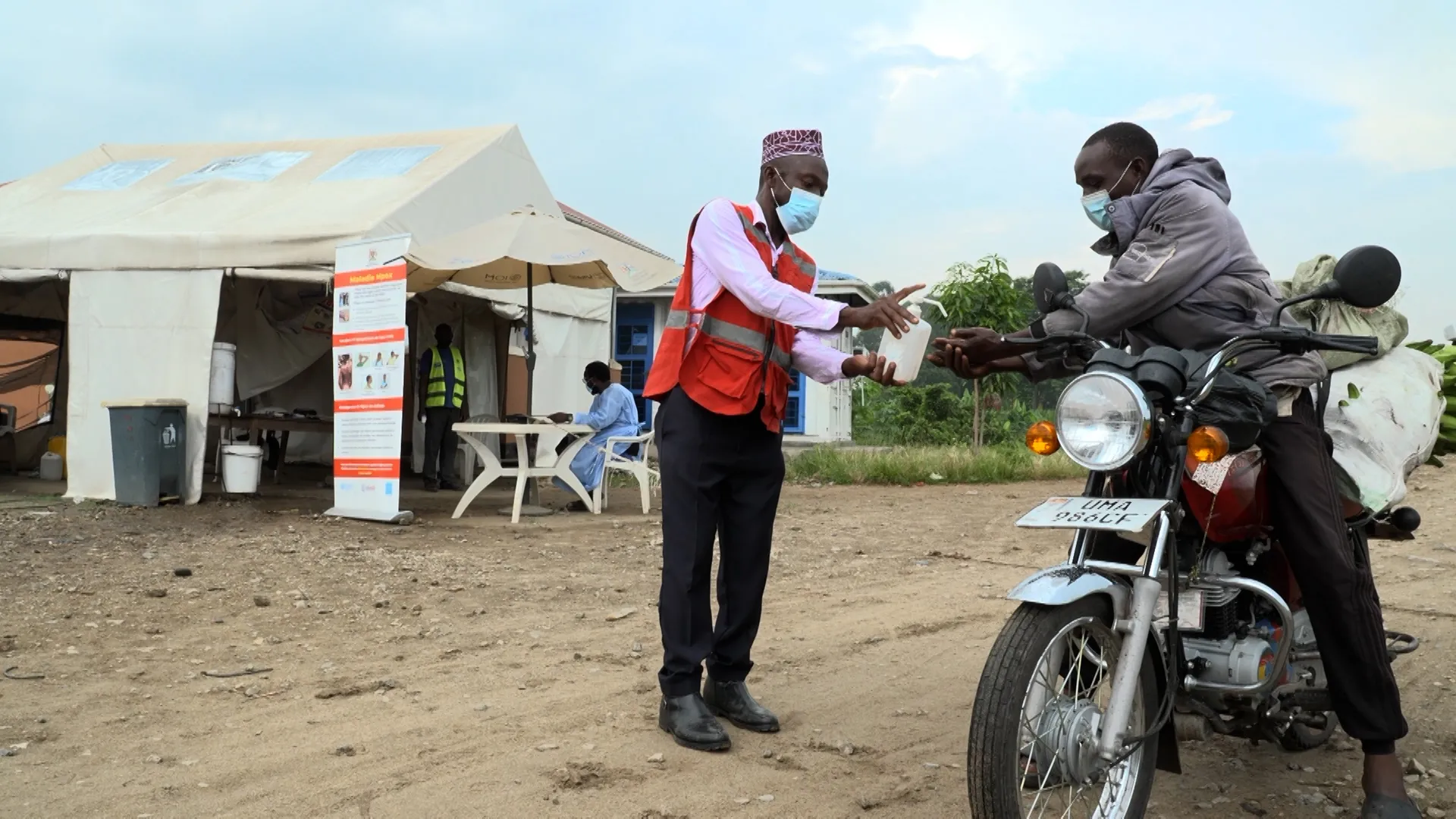
The World Health Organization has declared the Bundibugyo virus outbreak in the Democratic Republic of Congo and Uganda a global health emergency, escalating the international response to a crisis that has seen nearly 750 suspected cases reported in the DRC. The declaration, made on 22 May 2026, comes as health measures are intensified along the shared border between the two nations, disrupting daily life and trade in the region.
The WHO has assessed the risk level as very high for the DRC and high for Uganda. As of the declaration, there are 51 confirmed cases in the DRC and two confirmed cases in Uganda. Both Ugandan cases have epidemiological links to the DRC, with no documented onwards transmission among contacts in Uganda recorded to date. The outbreak originated on 24 April 2026, when the first known case, a nurse, developed symptoms and died in Bunia, Ituri province.
Significant clusters of cases have been reported in Mongwalu, a gold-mining town where the body of the first case was repatriated. The WHO cited high national and regional risk in its declaration of a Public Health Emergency of International Concern, although it noted the global risk remains low. The surge in suspected cases has prompted authorities to tighten border controls and health screenings in an effort to contain the spread of the virus.
Concurrent with the health crisis, diplomatic and operational tensions have emerged regarding the international response. The US Trump administration stated on 22 May 2026 that it is funding up to 50 treatment clinics in affected regions of the DRC and Uganda. However, Ugandan authorities have stated they are unaware of these funding plans, raising questions about the coordination of aid efforts between Washington and Kampala.
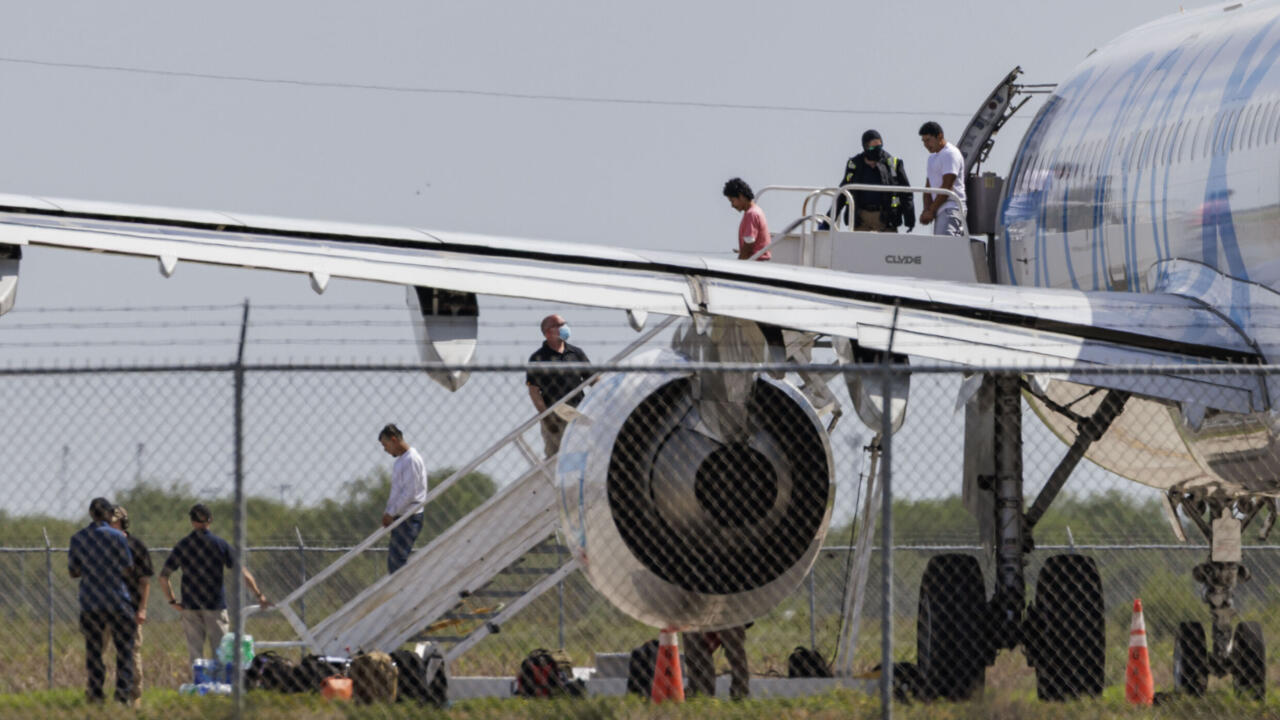
Further scrutiny has fallen on the treatment protocols for American personnel involved in the response. Two American health workers infected or exposed in the outbreak were treated in Germany and the Czech Republic, respectively, rather than in the United States. Satish Pillai, incident manager for the CDC’s Ebola response, faced questions regarding the decision to treat US workers in Europe, adding another layer of complexity to the already strained international coordination efforts.