WHO Law Expert Condemns Isolation of Hantavirus Suspects on Cruise Ship Off Cape Verde
Critique highlights legal and ethical failures in global health governance as officials warn against repeating COVID-era maritime containment errors
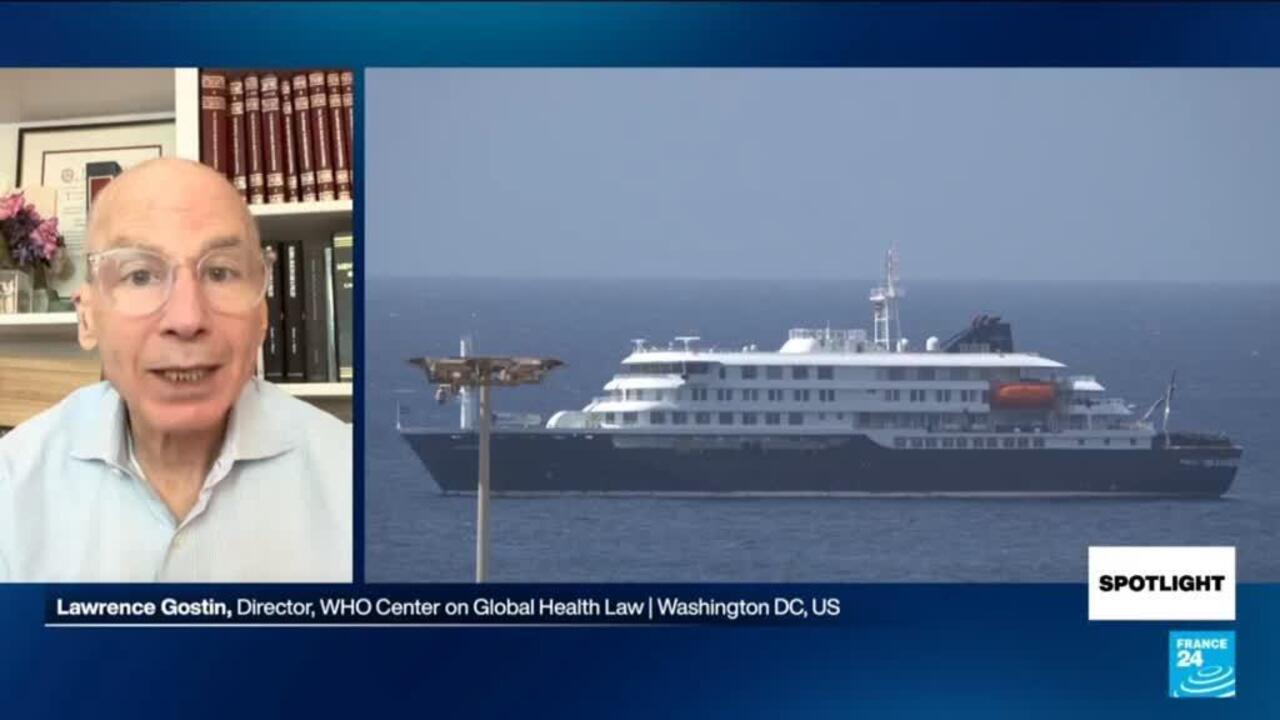
Lawrence Gostin, Director of the WHO Center on Global Health Law, has publicly condemned the decision to keep passengers with suspected hantavirus cases on a cruise ship off the coast of Cape Verde. Describing the situation as unconscionable, Gostin argued that it is unacceptable to confine potentially infected individuals at sea without adequate medical care or quarantine facilities. His intervention draws direct parallels to the traumatic memory of cruise ships stranded during the COVID-19 pandemic, where passengers were isolated without proper support.
At the heart of his critique is a sharp focus on the obligations of wealthier jurisdictions under international law. Gostin specifically identified Spain as the authority required to accept the passengers into the Canary Islands for intensive medical services. He noted that while Cape Verde faces limitations in its medical capacity, the Spanish jurisdiction possesses the advanced capabilities necessary to provide the treatment these sick passengers need.
Gostin emphasised that modern maritime tourism remains deeply vulnerable to infectious disease outbreaks, ranging from hantavirus to norovirus. He warned that the international community has learned, at enormous human cost, the dangers of confining passengers at sea without adequate medical care or disembarkation plans. The current incident serves as a stark reminder of the fragility of global health governance during moments of scientific uncertainty.
When asked personally about cruise travel, Gostin offered understated candor regarding his own risk assessment. He stated that while he would not be afraid of the risk, he would not voluntarily expose himself to such conditions. This personal stance underscores the broader ethical dilemmas inherent in the industry's current safety standards and the potential for future outbreaks.
The discussion highlights the legal and ethical challenges faced by authorities when managing public health crises on the high seas. Gostin's analysis suggests that political hesitation in moments of uncertainty can lead to unacceptable outcomes for vulnerable populations. His remarks call for a reevaluation of how international law is applied to ensure that wealthier nations meet their obligations to provide care rather than leaving isolated groups at sea.