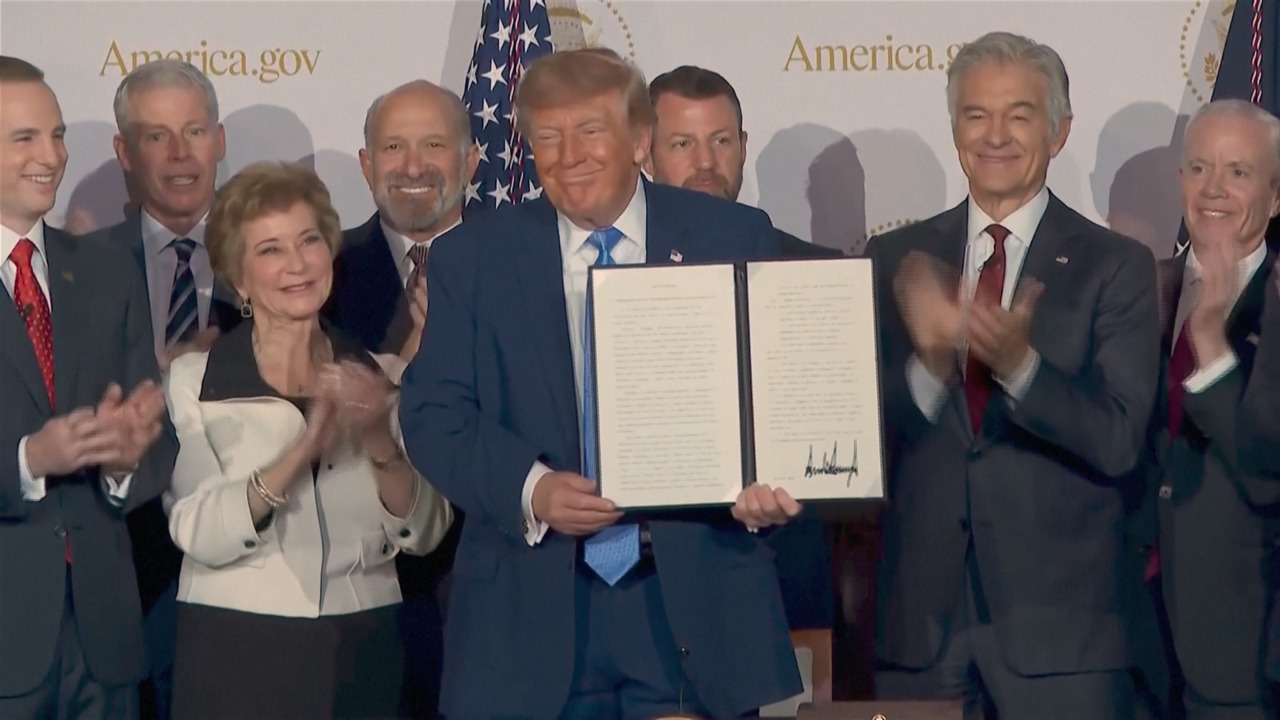
US petrol prices surge 50 per cent amid Strait of Hormuz blockade
The American Automobile Association reports the average cost of regular fuel has reached $4.48 per gallon, driven by restricted crude oil flows
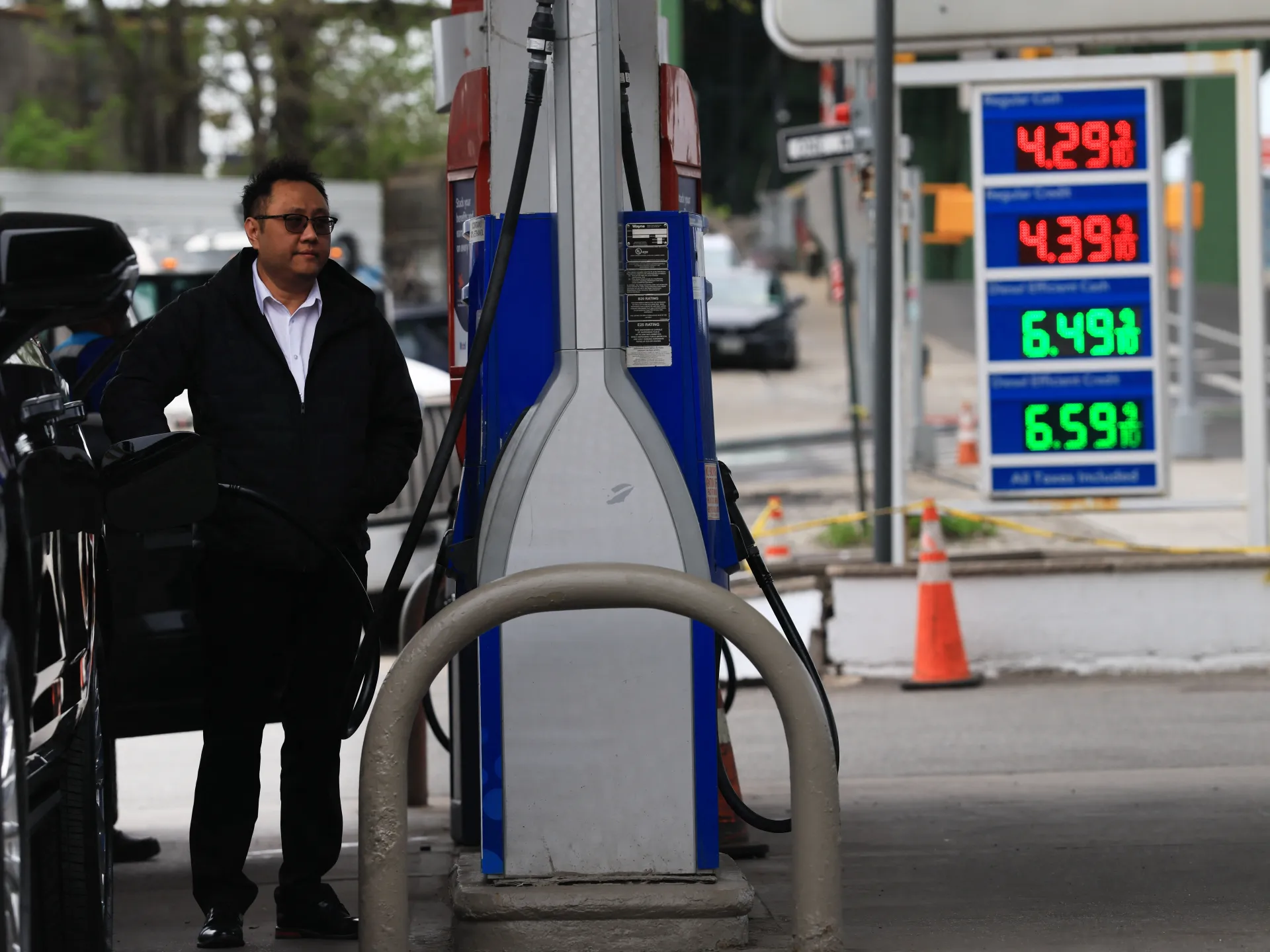
The average price of regular petrol in the United States has climbed to $4.48 per gallon, marking a 50 per cent increase since the commencement of hostilities between the US and Iran. This surge, which represents a 31 cent rise in the past week alone, underscores the persistence of a global energy crisis despite recent diplomatic shifts. According to the American Automobile Association, the data reflects the reality that market dynamics are currently decoupled from the political announcements of de-escalation.
Although a ceasefire was announced on 8 April and military operations were paused under President Donald Trump's "Project Freedom", the underlying structural issues remain unresolved. The spike is primarily attributed to the blockade of the Strait of Hormuz, a narrow passage through which a fifth of the world's crude oil normally flows. The restriction has left tankers stranded, creating a fundamental shortfall in the ability to meet global demand. Consequently, the flow of energy resources continues to be constrained, exerting upward pressure on prices regardless of government statements.
Industry experts from S&P Global Energy indicate that oil prices do not automatically drop after hostilities cease. A significant "risk premium" remains associated with shipping through the region, as shippers and insurance companies remain hesitant to view the current risk level as comparable to pre-war conditions. Rob Smith, director of global fuel retail at S&P Global Energy, noted that there is a true upward pressure on prices every day the Strait of Hormuz is constrained, suggesting that the market sentiment required to normalise costs has not yet returned.
The situation highlights a complex interplay between economic necessity and military aggression, with the Iranian regime facing economic strain ahead of the November US midterm elections. While the US president has attempted to frame the hike in petrol prices as a temporary cost of achieving military aims, the physical reality of the blockade dictates the market response. The longer the flow of oil is restricted, the higher prices will go, and the longer it will take for the market to return to a baseline state.
This sustained volatility has broader implications for domestic stability, with the spike in energy prices spurring inflation and economic uncertainty. These factors are contributing to record-low approval ratings for President Trump, as growing discontent with the war on Iran takes hold among the public. The disconnect between political rhetoric and the tangible cost of living illustrates the challenges of managing energy security in a world where strategic chokepoints remain vulnerable to disruption.