FIFA President Infantino Defends World Cup Ticket Pricing Amidst Legal Challenges
Speaking at the Milken Institute Global Conference, Infantino argued that high face-value prices are necessary to curb secondary market speculation, even as Football Supporters Europe pursues legal action.
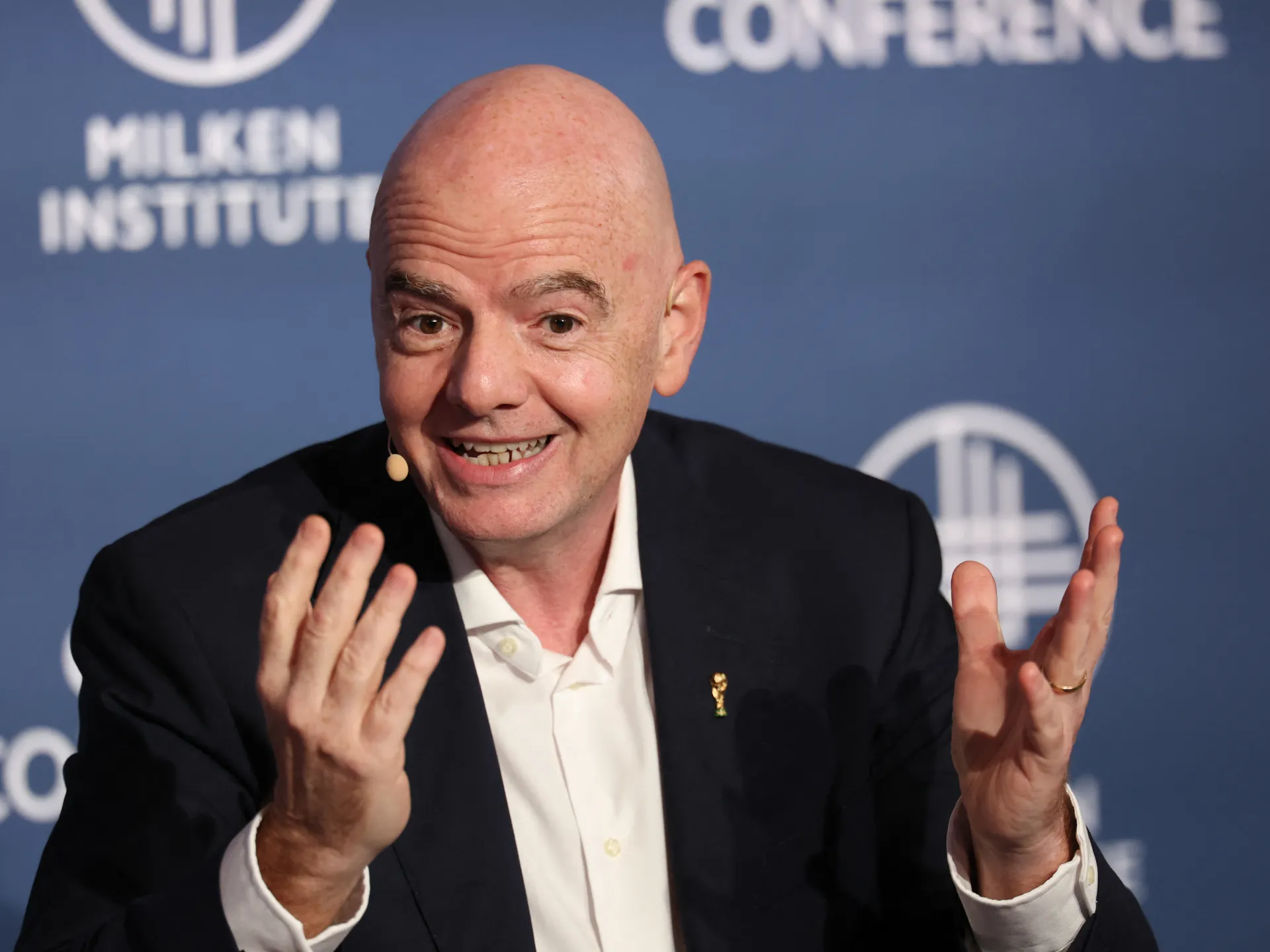
FIFA President Gianni Infantino has publicly defended the exorbitant pricing structure for the 2026 World Cup, attributing the costs to unprecedented demand and specific regulations within the United States. Addressing the Milken Institute Global Conference in Beverly Hills, Infantino stated that the governing body was obliged to apply market rates in a jurisdiction where entertainment is highly developed and where resale laws permit tickets to be sold for thousands of dollars above their face value. He argued that setting lower initial prices would inevitably encourage speculation on the secondary market, resulting in tickets being resold at even higher rates.
To support this assertion, Infantino highlighted the sheer volume of interest for the upcoming tournament, noting that FIFA received over 500 million ticket requests. This figure stands in stark contrast to the combined fewer than 50 million requests received for the 2018 and 2022 World Cups. Despite these claims of overwhelming demand, the pricing strategy has drawn sharp criticism from fan organisations who view the costs as extortionate. Football Supporters Europe has branded the pricing structure a monumental betrayal and has already filed a lawsuit with the European Commission targeting FIFA over excessive ticket prices.
The disparity between official pricing and secondary market activity remains a central point of contention. Infantino acknowledged that FIFA's own marketplace recently advertised four tickets for the New York final at a cost exceeding $2 million each. He dismissed the notion that these figures represented the actual cost of the tickets, quipping that if anyone were to purchase a final ticket for that amount, he would personally provide them with a hot dog and a Coke. However, data indicates that the most expensive face-value ticket for the 2026 final is approximately $11,000, a significant increase from the roughly $1,600 charged for the 2022 final.
While Infantino pointed out that 25 per cent of group phase tickets are priced under $300, comparable to US college game pricing, many matches remain unsold at these elevated rates. For instance, seats for the USA opener against Paraguay are available with prices ranging from $1,120 to $4,105. Hospitality packages for the tournament have also seen steep valuations, with some seats reaching $6,050 per person. These figures suggest that despite the high entry costs, the demand does not fully saturate the available inventory for every match.
The situation underscores a complex governance challenge regarding how global sporting events are monetised in different legal environments. Infantino maintained that applying market rates in the United States was the only viable option to prevent the face-value prices from being undercut by secondary market speculation. He noted that even when fans complain about the high official prices, tickets often end up on the resale market at more than double the cost. This dynamic has left fan groups contrasting the 2026 costs with the 2022 Qatar World Cup, highlighting a significant jump in face-value expenses.
As the tournament approaches, the tension between FIFA's defensive stance on pricing and the legal challenges mounted by supporters continues to define the commercial landscape of the event. The organisation's reliance on US resale laws to justify its pricing strategy suggests a deep entrenchment in the local market mechanics, even as it faces scrutiny from international bodies and fans globally. The outcome of the European Commission lawsuit and the eventual sell-out status of the matches will likely determine the long-term viability of this pricing model.