WHO identifies potential human-to-human transmission of hantavirus on Dutch cruise ship MV Hondius
Three passengers have died while 149 remain under strict precautionary measures off Cape Verde as the ship awaits further medical assessment
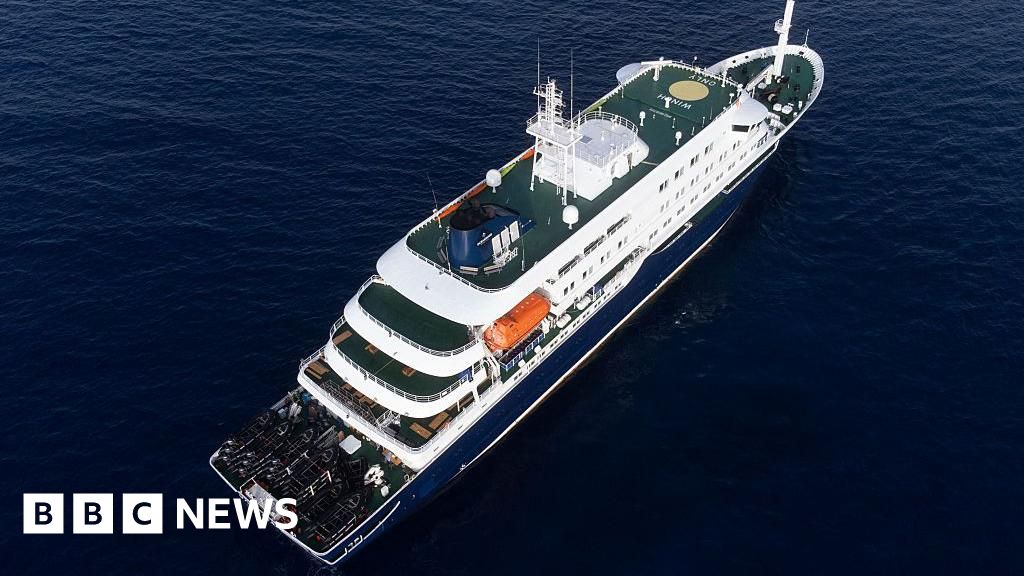
The World Health Organization has indicated that hantavirus may have spread between passengers on the Dutch cruise ship MV Hondius, representing a significant shift from the typical rodent-borne transmission pathway. While the virus is usually contracted through contact with rodent faeces, saliva, or urine, officials now suspect human-to-human transmission occurred among close contacts aboard the vessel. Dr Maria Van Kerkhove of the WHO noted that some passengers were couples sharing rooms, creating intimate contact scenarios that facilitated the spread, despite the rarity of such transmission.
The outbreak has claimed three lives, with two confirmed cases and five suspected cases identified to date. Two of the deceased were a Dutch married couple, where the wife is confirmed to have the virus, while the husband's status remains unconfirmed. A third fatality involved a German national who passed away on 2 May, though his infection status has not yet been verified. Additionally, a 69-year-old UK national who was evacuated to South Africa for medical treatment has been confirmed to carry the virus.
The vessel, operated by Oceanwide Expeditions, set sail from Argentina approximately one month ago and is currently moored off the coast of Cape Verde under strict precautionary measures. Investigators are operating under the assumption that the Andes strain of the virus, which is common in South America, is responsible for the outbreak. Notably, Dr Van Kerkhove stated that there were no rats reported on board, reinforcing the theory that the initial infection may have been contracted before boarding or through internal passenger contact.
In response to the situation, the ship's operator is conducting disinfection procedures while those caring for patients or displaying symptoms wear full personal protective equipment. The WHO has highlighted that the risk to the wider public remains low. However, the organisation's top priority is the treatment and medical evacuation of two crew members, one Dutch and one British, who are suffering from respiratory symptoms. These individuals are due to be flown to the Netherlands for further care.
Spain has granted permission for the MV Hondius to dock in the Canary Islands for a risk assessment and medical monitoring, although the Spanish health ministry has clarified that no formal request to stop there has been received. The ministry stated that the most appropriate next stop will be decided based on epidemiological data gathered as the boat travels past Cape Verde. Should a decision be made to dock, authorities are prepared to provide medical attention, analysis, and disinfection.
While testing continues for remaining passengers and crew, the mood on board is described as relatively stable, despite the uncertainty surrounding the outbreak. The family of the Dutch couple has expressed their grief, stating that the journey they experienced together was abruptly cut short. As the situation develops, the focus remains on containing the spread of the Andes strain and ensuring the safety of the 149 people remaining on the vessel.