Tehran and Washington remain divided as Lebanon death toll surpasses 3,000
Iran acknowledges ongoing talks with the United States but cites significant differences on a potential agreement, while the Lebanese Health Ministry reports that Israeli strikes have killed at least 3,111 people since early March.
Tehran has confirmed that diplomatic engagements with the United States are continuing, although officials stated that substantial differences remain regarding the terms of any potential agreement. The Iranian position contrasts with reports from Washington, where US Secretary of State Marco Rubio indicated that negotiations have seen slight progress. Despite these diplomatic channels remaining open, no deal has yet been finalised, underscoring the persistent friction between the two nations.
The diplomatic efforts are occurring against a backdrop of intensifying violence in Lebanon. According to the Lebanese Health Ministry, Israeli attacks on the country have resulted in at least 3,111 deaths and 9,432 injuries since 2 March. The casualty figures highlight the severity of the conflict, which escalated following Hezbollah’s rocket fire at Israel, a response triggered by the killing of Iran’s supreme leader in US-Israeli strikes.
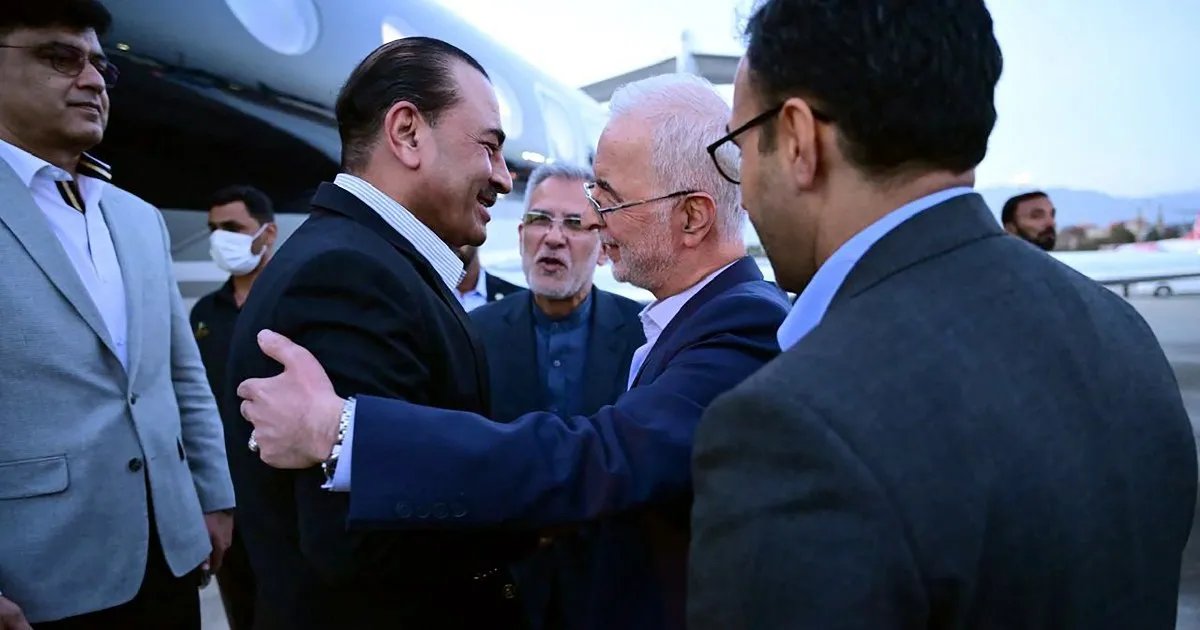
Efforts to mediate the broader regional tensions have seen Pakistan’s military chief arrive in Tehran on 23 May 2026. Islamabad’s involvement positions the country as a key mediator in a region facing heightened instability, with the Iranian Foreign Ministry describing the current situation as a critical juncture. The visit aims to bolster diplomatic efforts to conclude negotiations and end hostilities between the United States and Iran.
Although a truce was established on 17 April, Israeli strikes have persisted since that date, contributing to the rising casualty count. The breakdown of casualties in Lebanon, specifically regarding combatants versus civilians, has not been specified in the available reports. The continuation of military operations despite the truce agreement suggests a complex security environment where diplomatic and military tracks are operating concurrently without mutual de-escalation.
In a separate development affecting regional security dynamics, Cuba has warned of a "bloodbath" should the United States launch an attack, asserting its right to self-defence. In response, the US Treasury has imposed sanctions on Cuba’s main intelligence agency. Reports indicate that Cuba has acquired over 300 military drones from Russia and Iran, further complicating the geopolitical landscape as diplomatic efforts in the Middle East remain unresolved.