WHO confirms five hantavirus cases linked to cruise ship outbreak
Three passengers have died following exposure in South America before boarding; public health risk assessed as low but vigilance required
The World Health Organization has confirmed five cases of hantavirus linked to deaths aboard the Dutch-flagged cruise ship *Hondius*, which is currently navigating the Atlantic Ocean. The agency has also identified three additional cases as suspected, bringing the total reported cluster to eight instances involving severe respiratory illness. This outbreak is caused by the Andes virus, a strain capable of limited human-to-human transmission, distinguishing it from other hantaviruses which typically require contact with infected rodents.
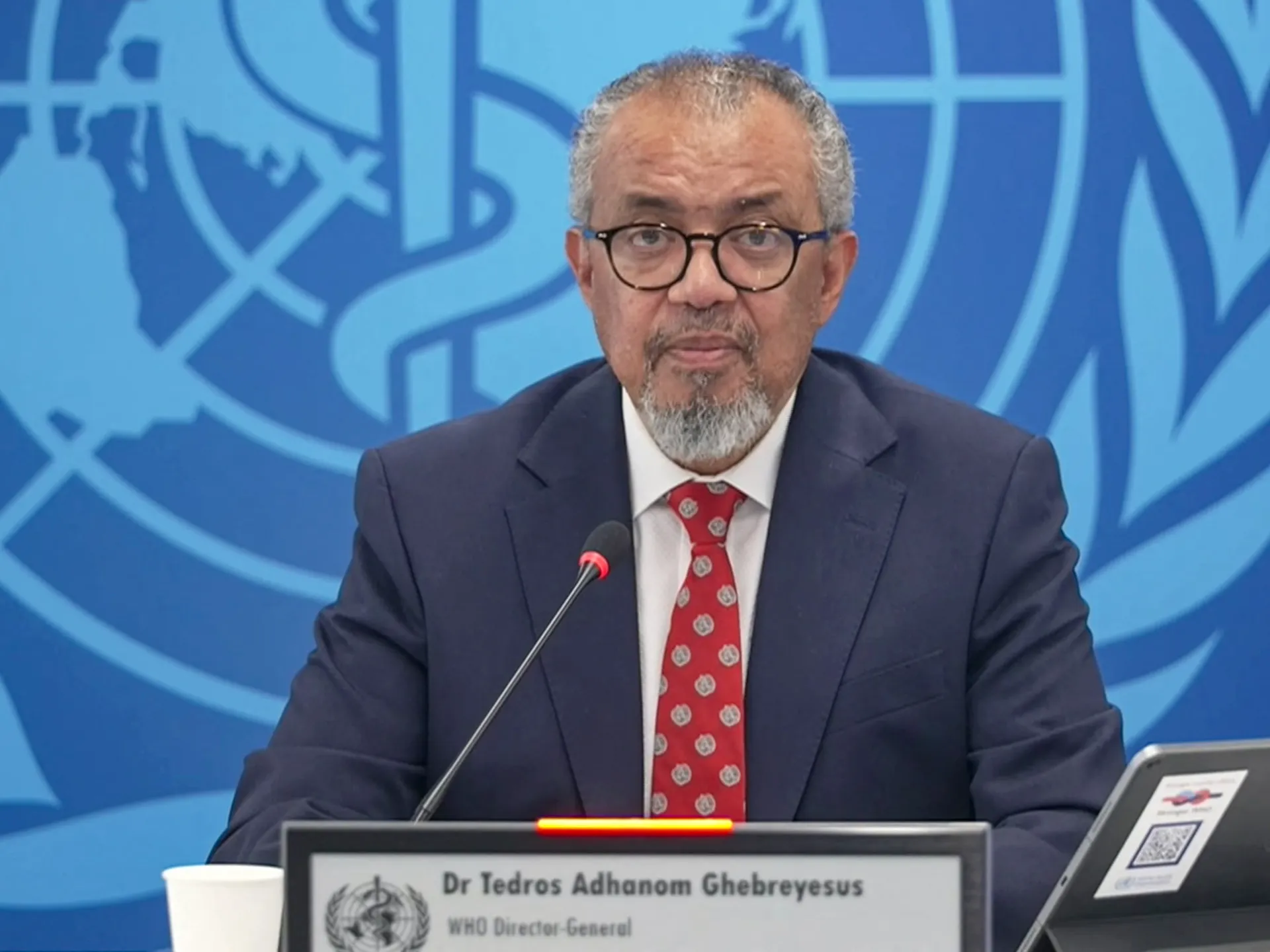
WHO Chief Tedros Adhanom Ghebreyeus stated that while the incident is serious, the public health risk remains low. However, he warned that further cases may emerge due to the virus's incubation period, which can extend up to six weeks. The agency was notified of the cluster by the UK after passengers disembarked in Saint Helena with severe respiratory symptoms. The WHO has since informed 12 countries, including the United Kingdom, Canada, and the United States, whose nationals were among those who disembarked.
The initial infections were contracted by a couple during a bird-watching trip through Chile, Argentina, and Uruguay before they boarded the vessel. Argentine authorities are currently investigating the couple's movements, noting that the sites visited were known to harbour rats carrying the virus. No samples were taken from the first victim, meaning the hantavirus was not initially identified due to the similarity of symptoms with other viral conditions.
Three fatalities have been recorded in connection with the outbreak. The first death occurred on April 6 after the passenger developed symptoms on board. The second fatality was the wife of the first victim, who died on April 25 after becoming symptomatic while ashore in Saint Helena. A third fatality occurred on the same date, April 25, after the passenger developed symptoms.
In response to the situation, Argentina has pledged to send 2,500 diagnostic kits to laboratories in five countries to assist with testing. The WHO continues to monitor the situation as the *Hondius* sails toward Tenerife, acknowledging the potential for delayed reporting of cases while maintaining that the broader risk to the general population is contained.